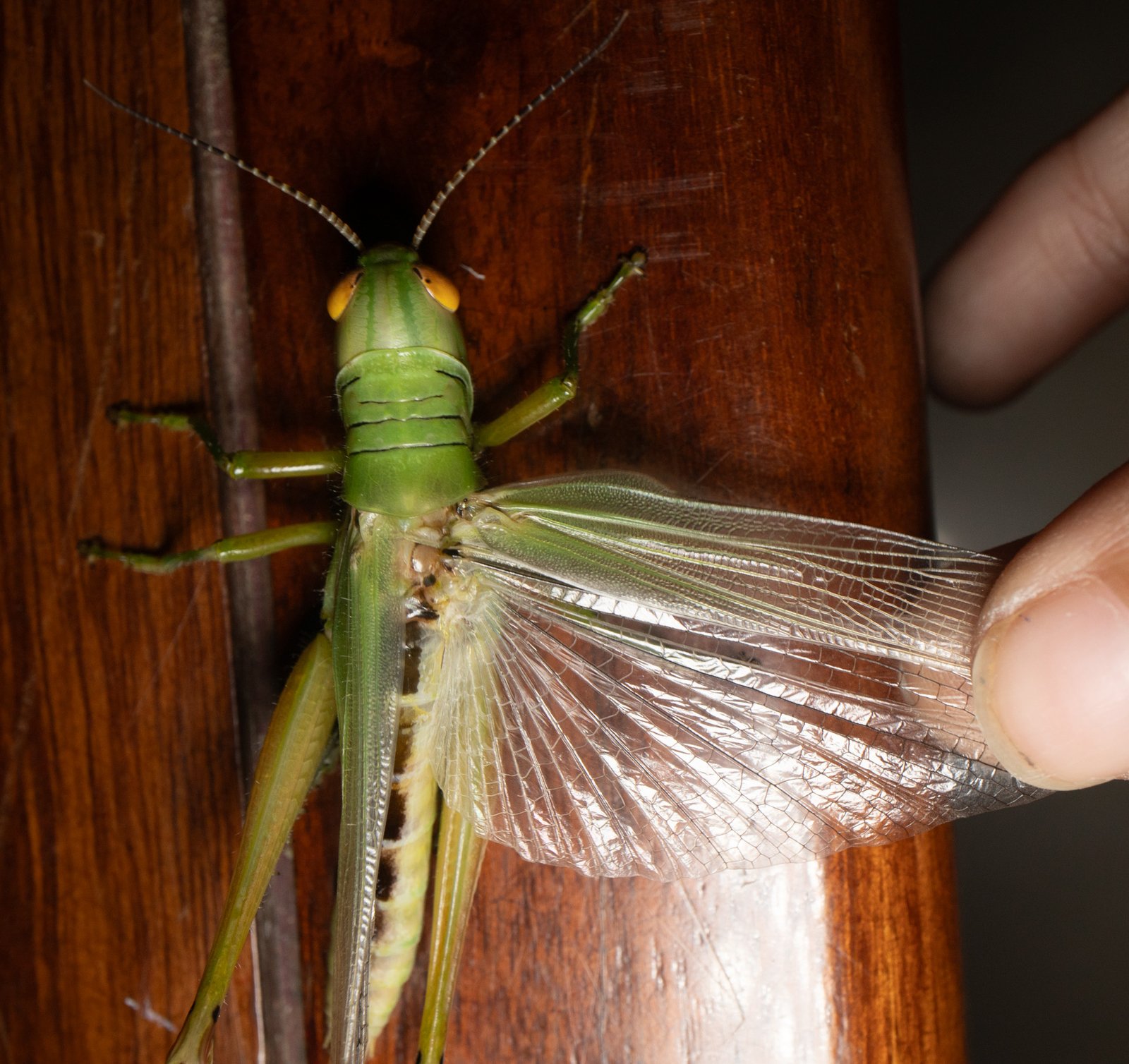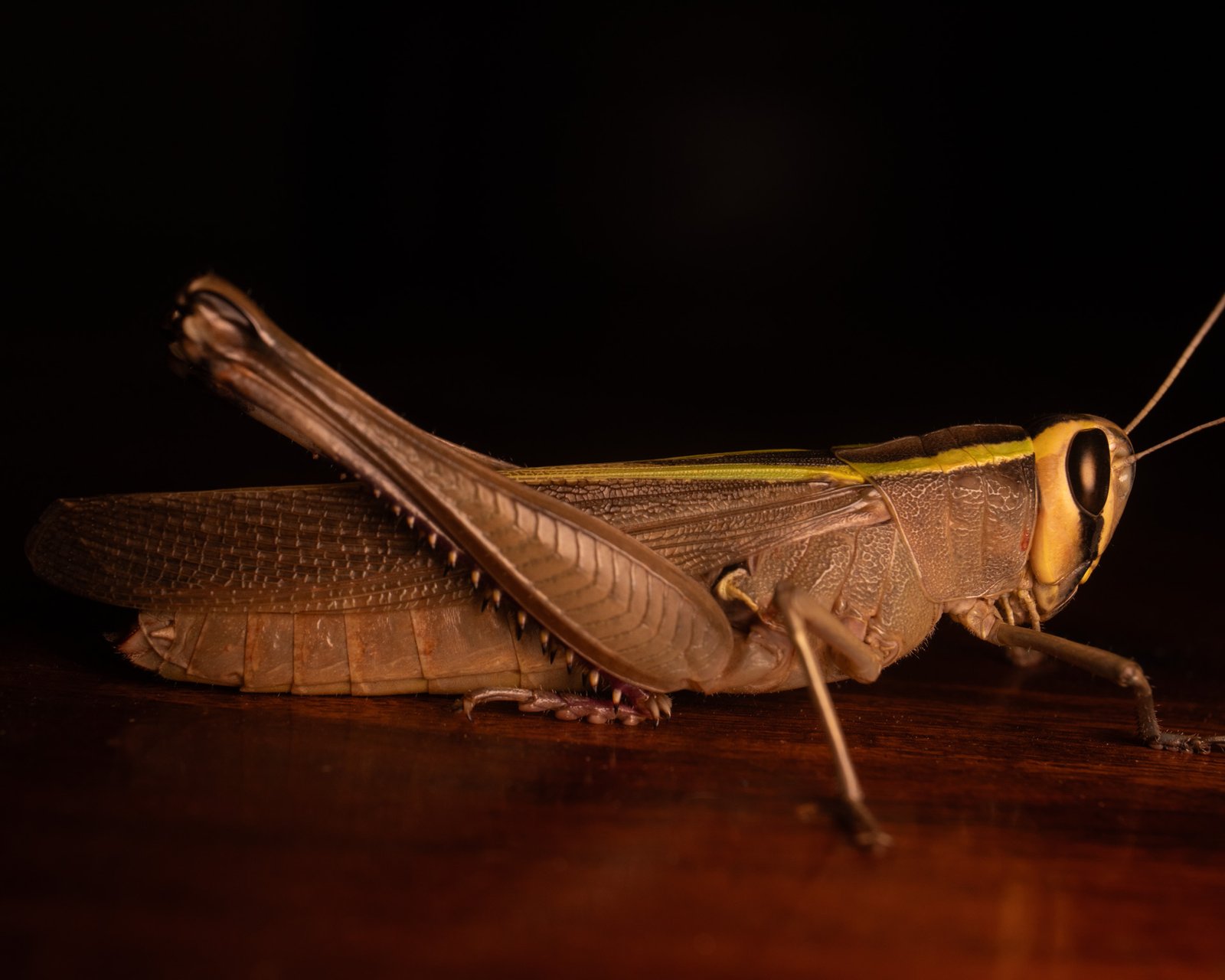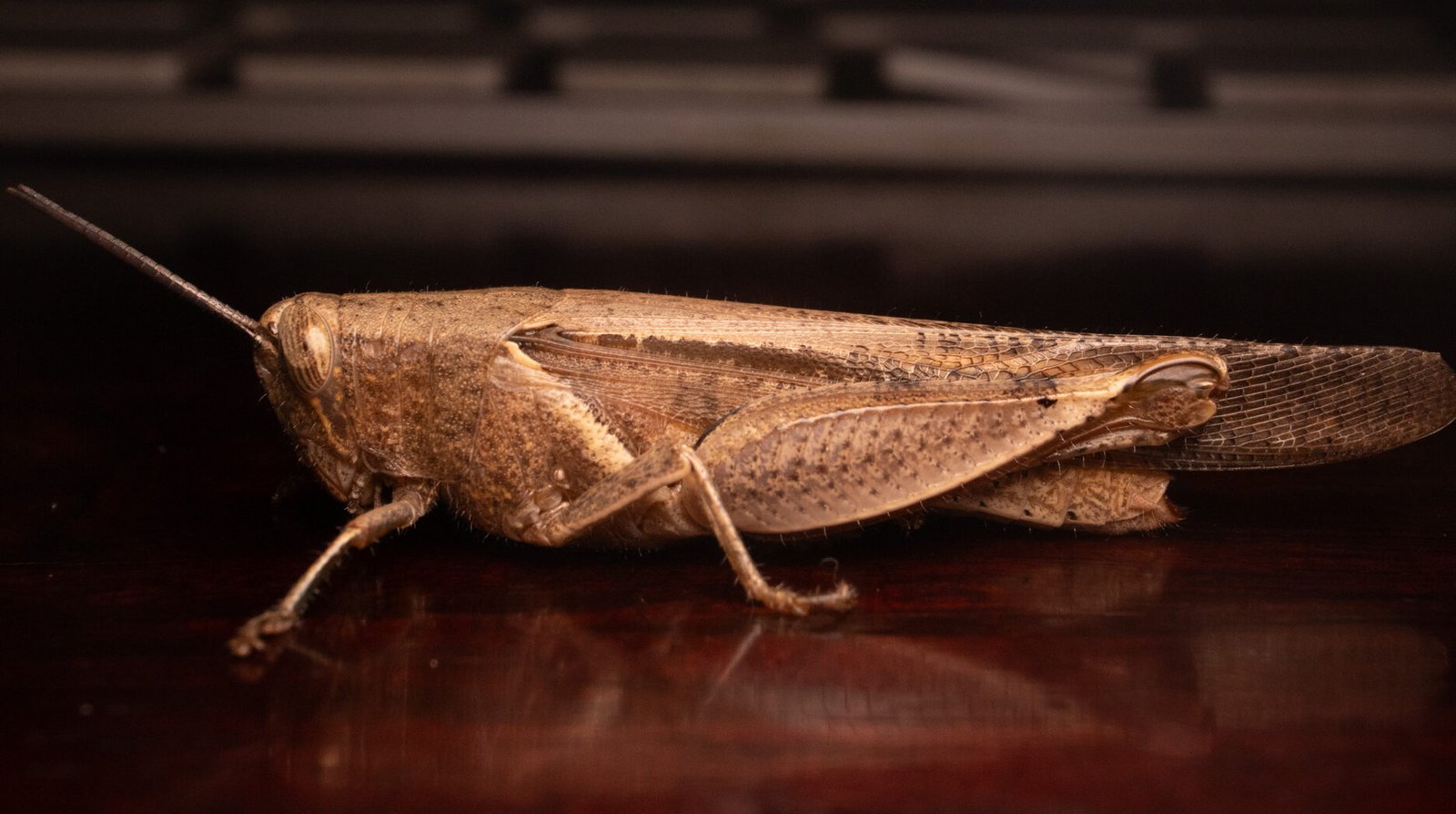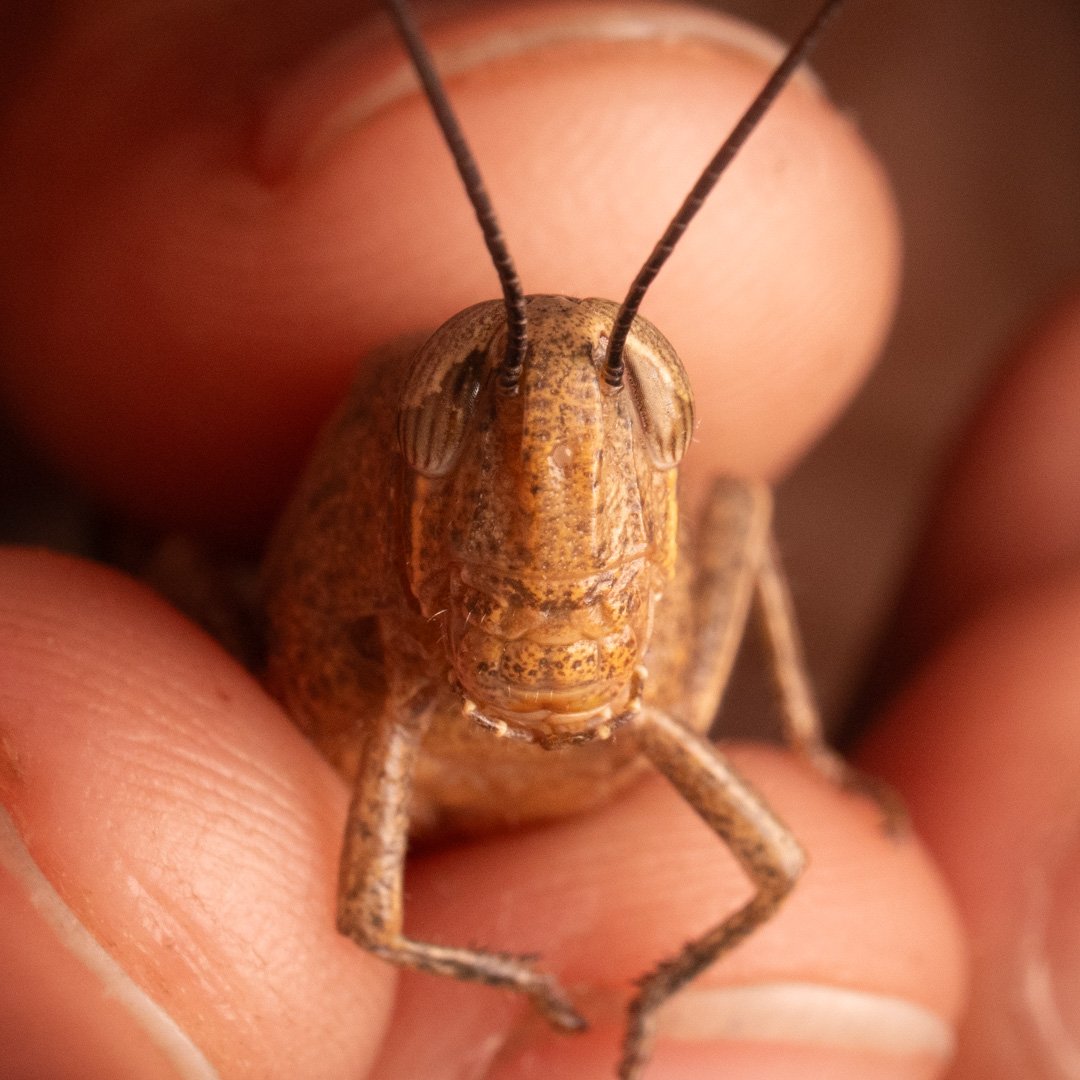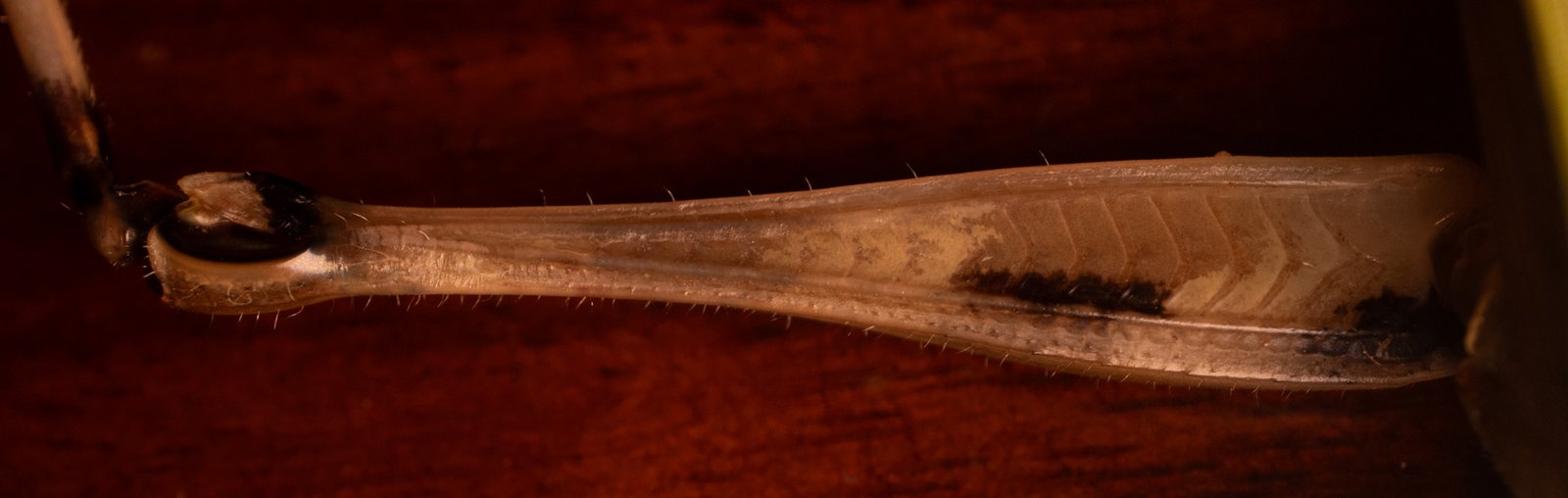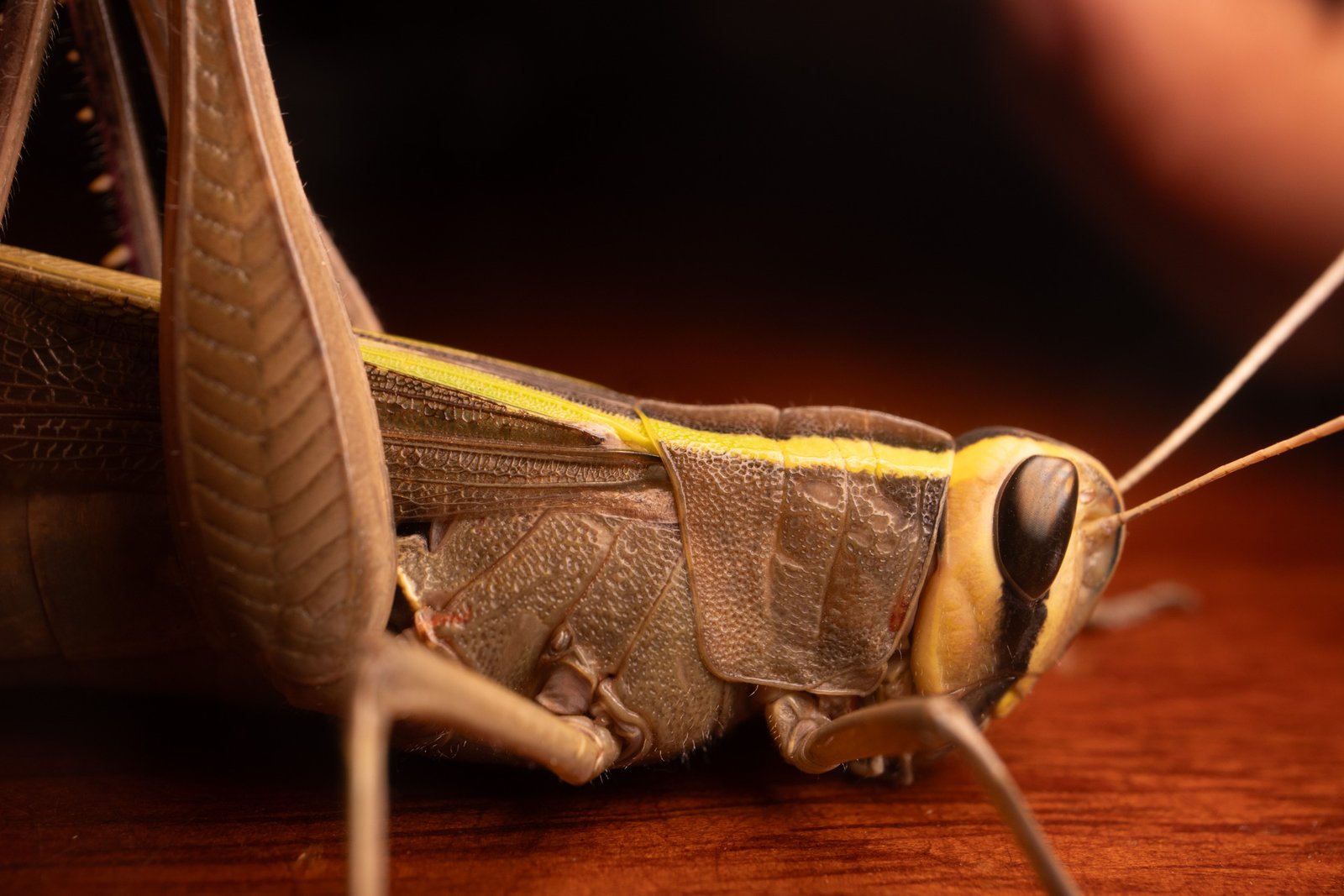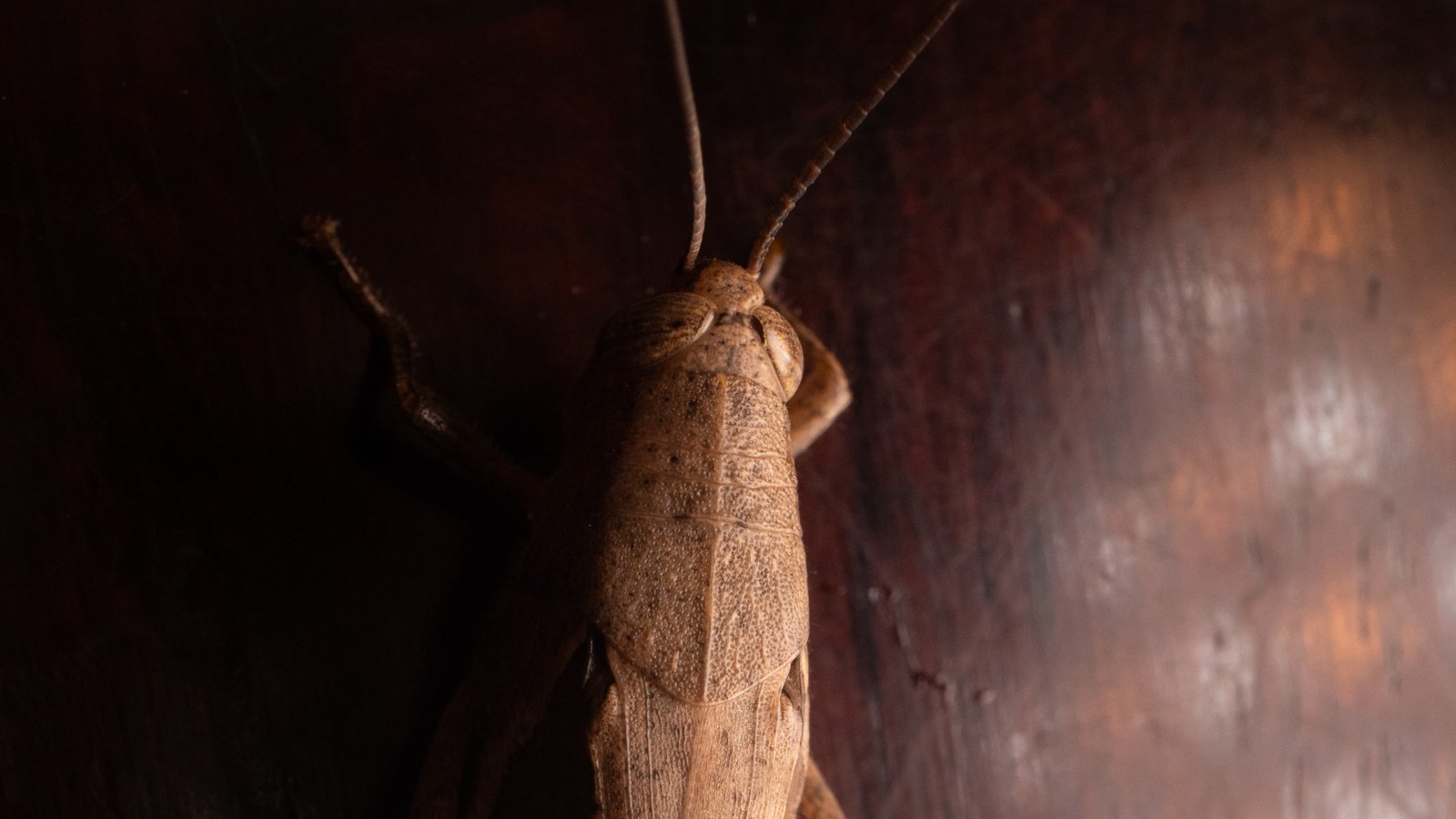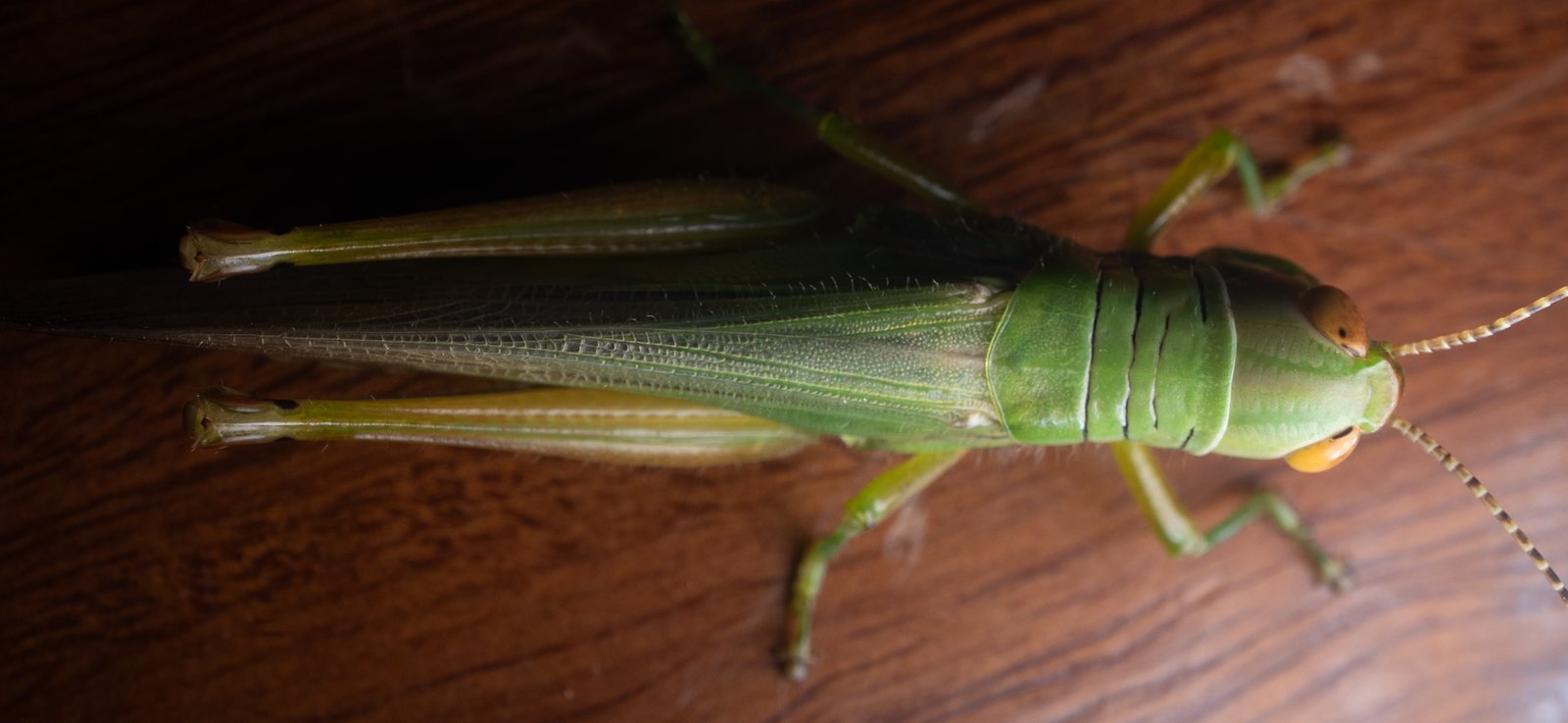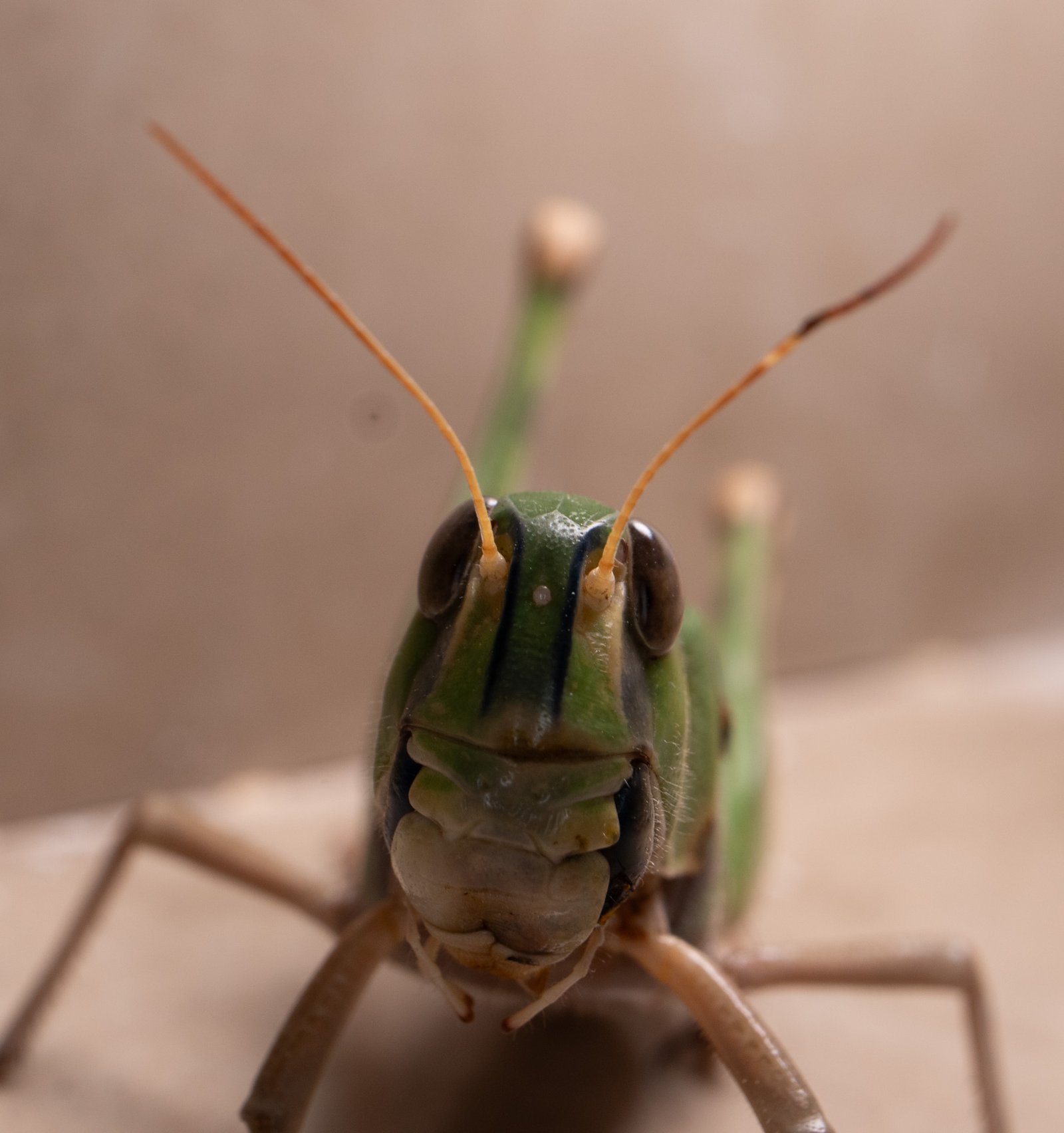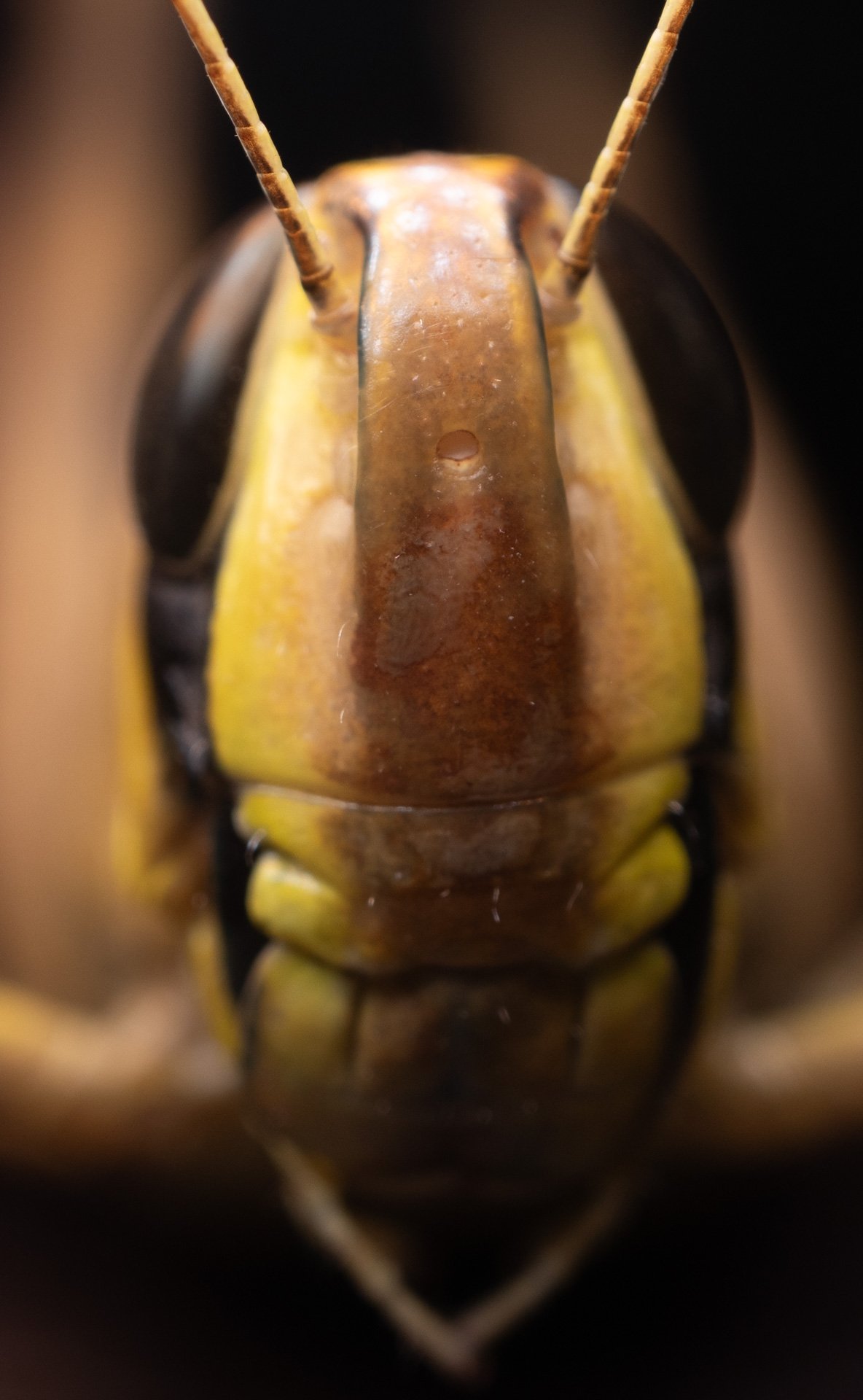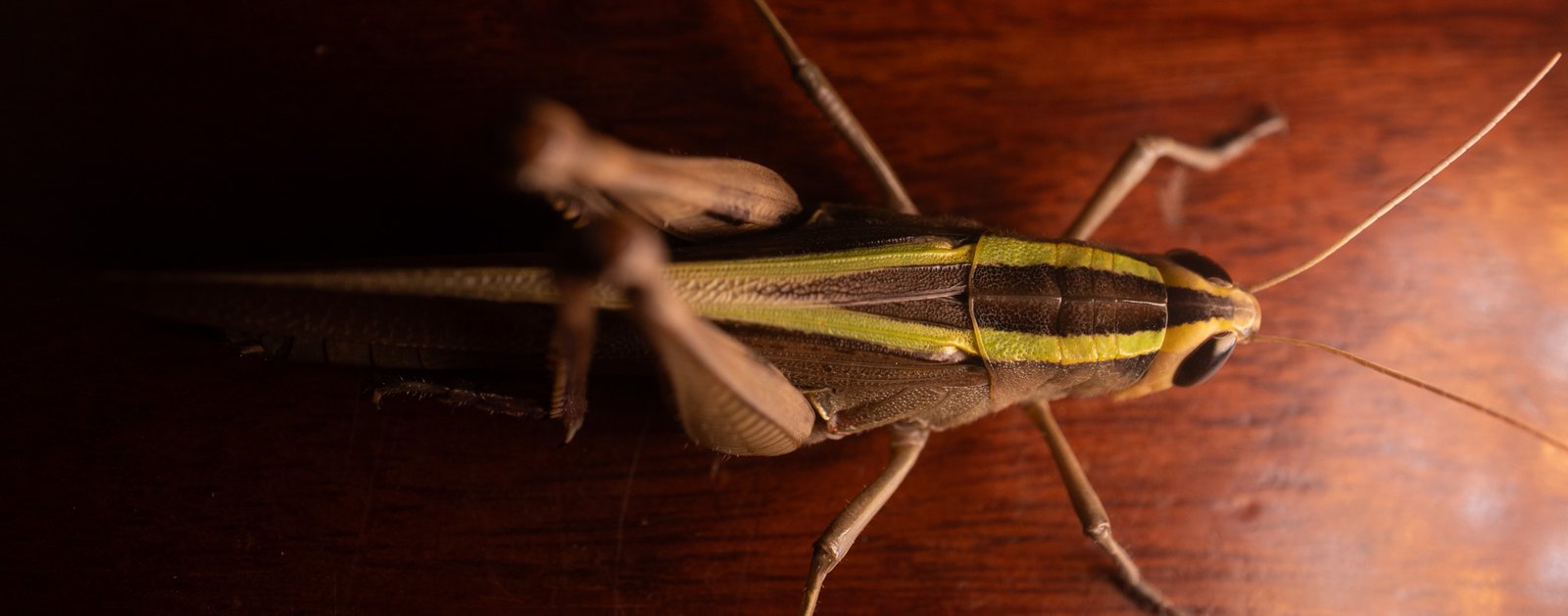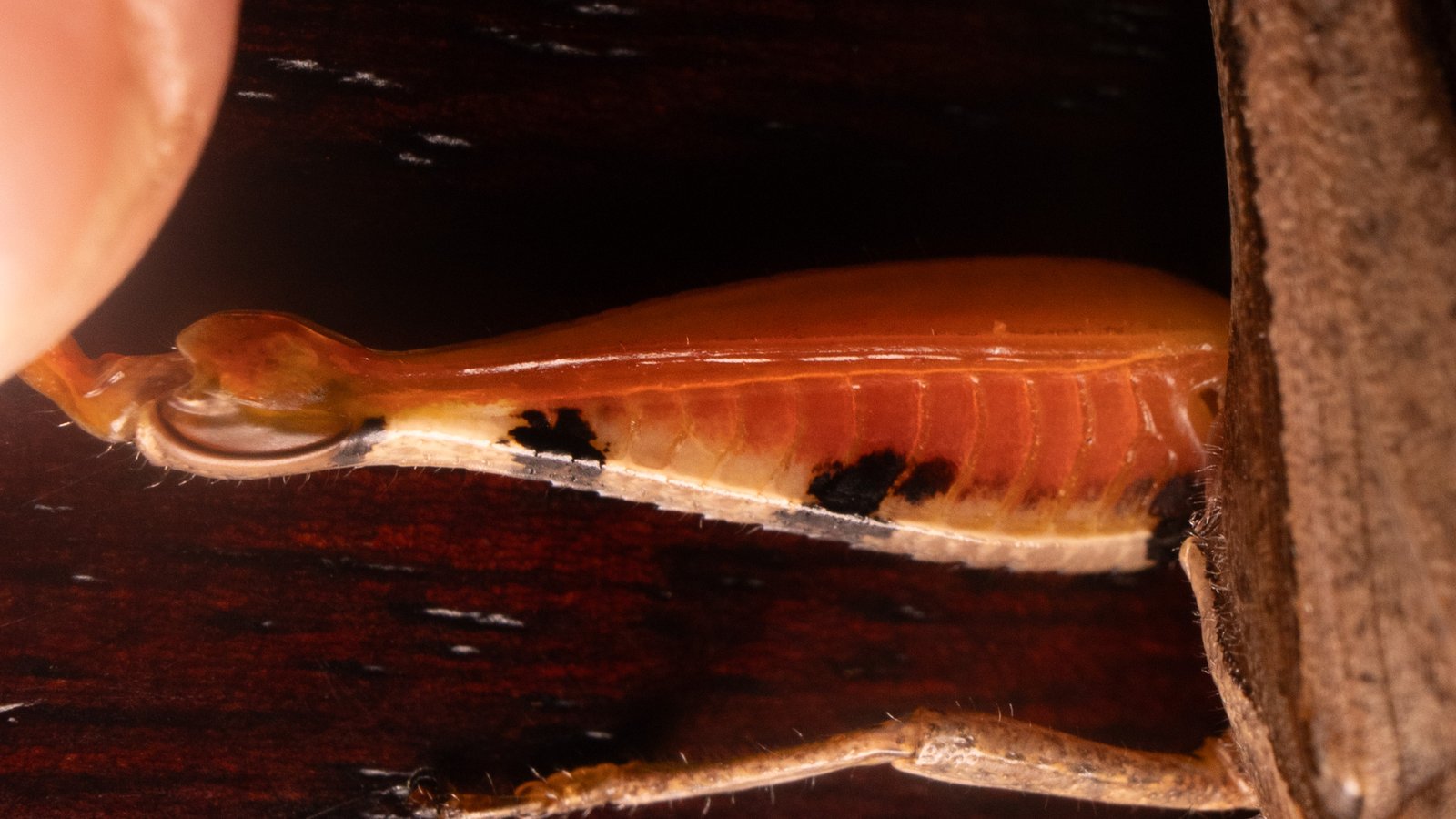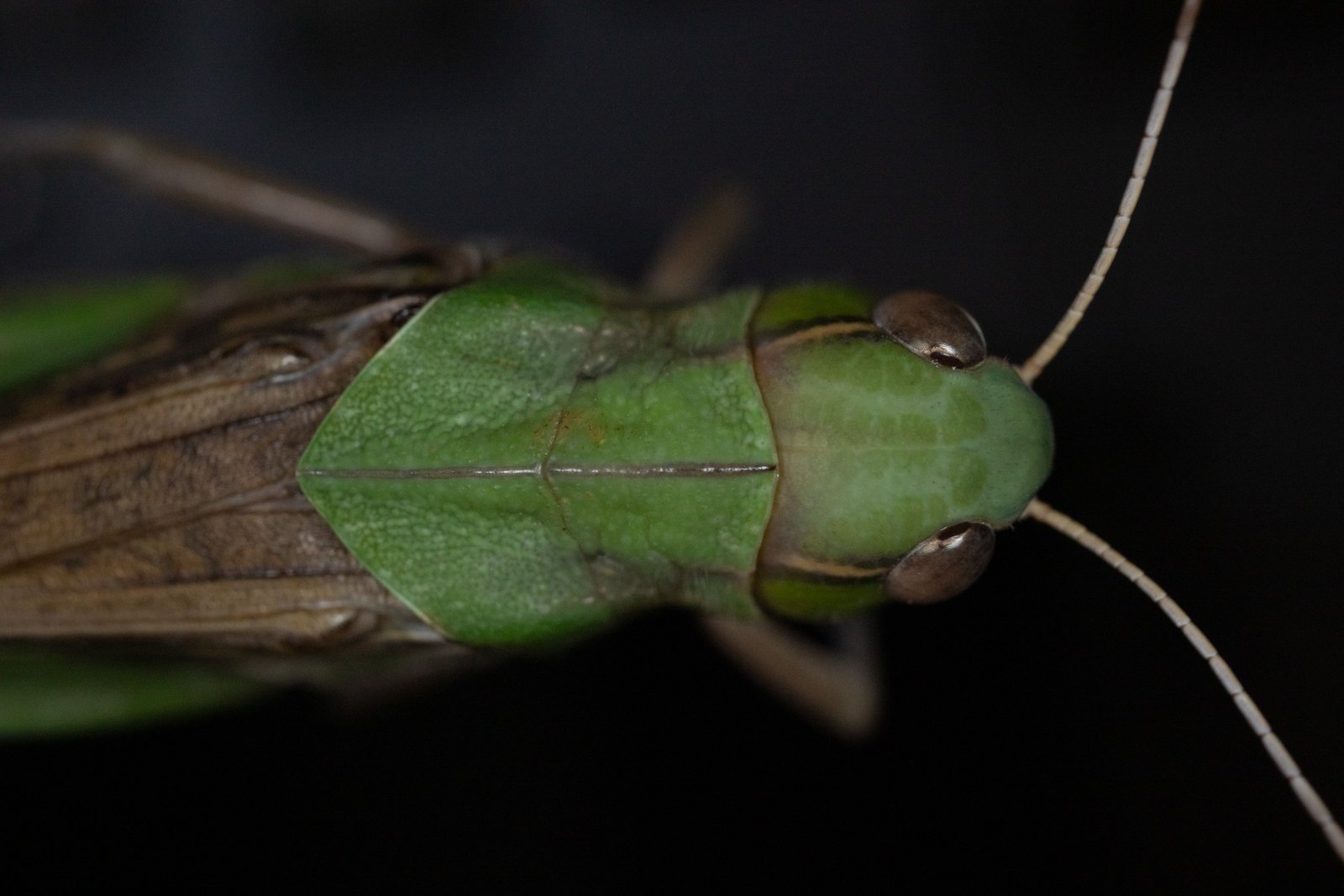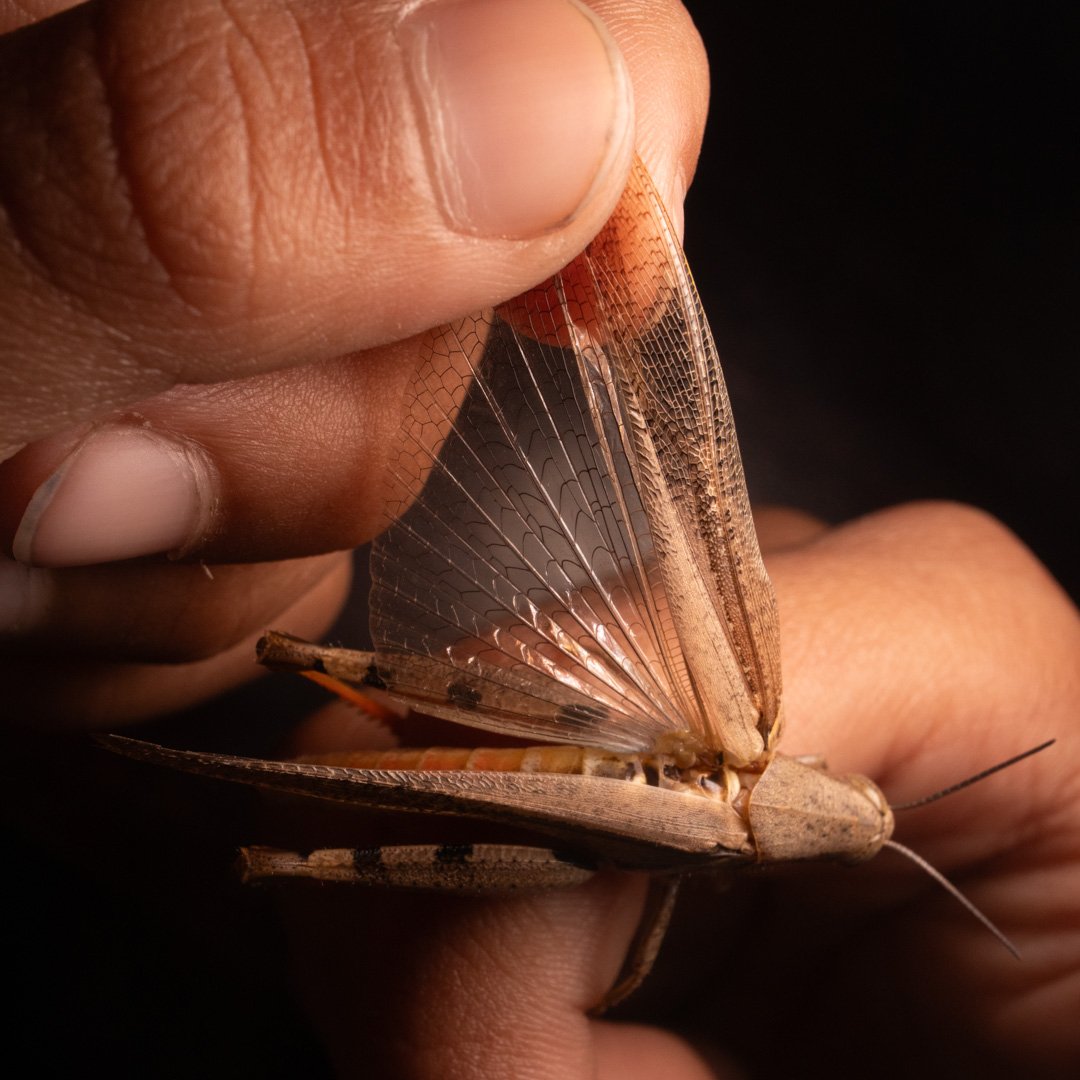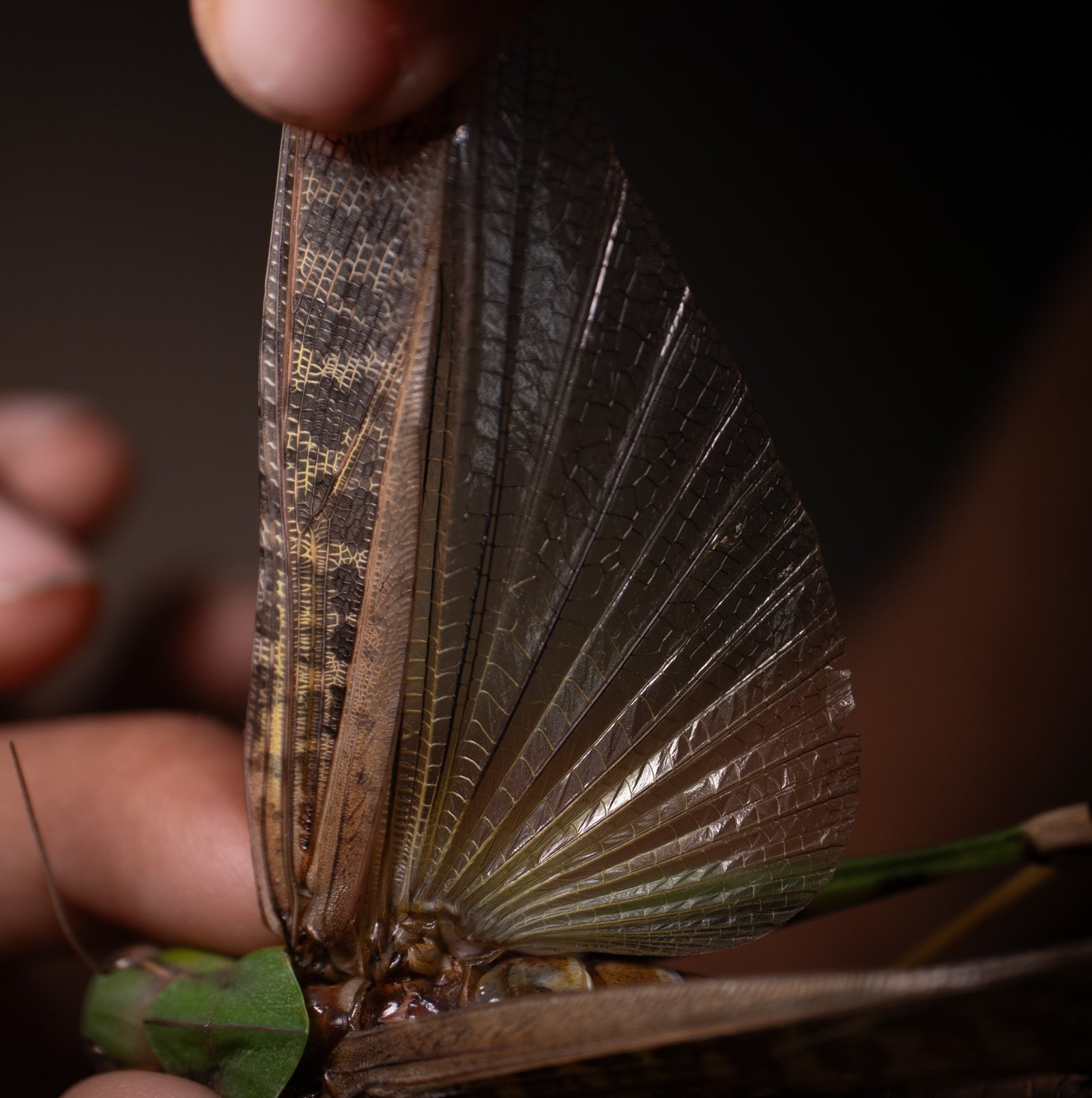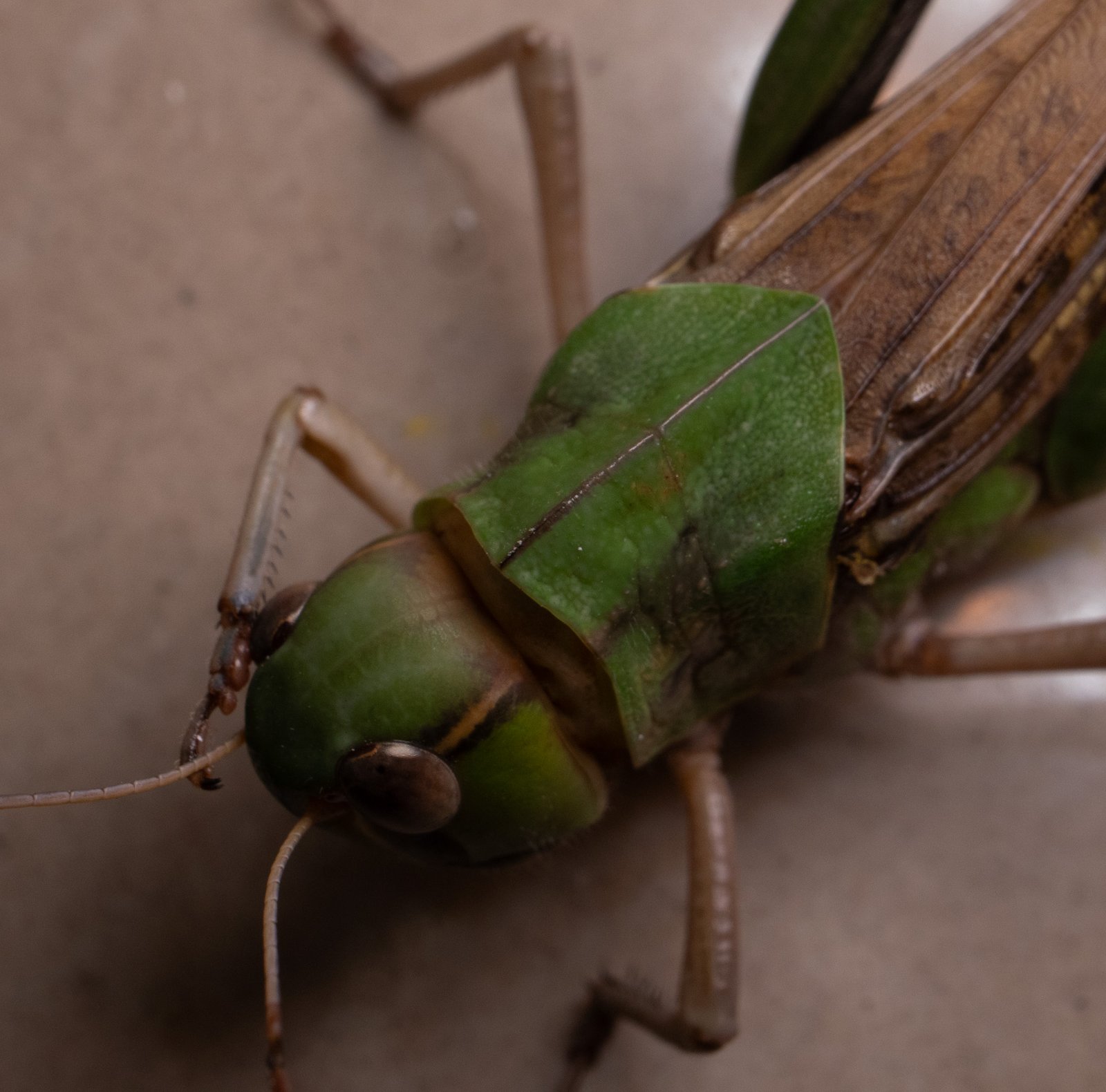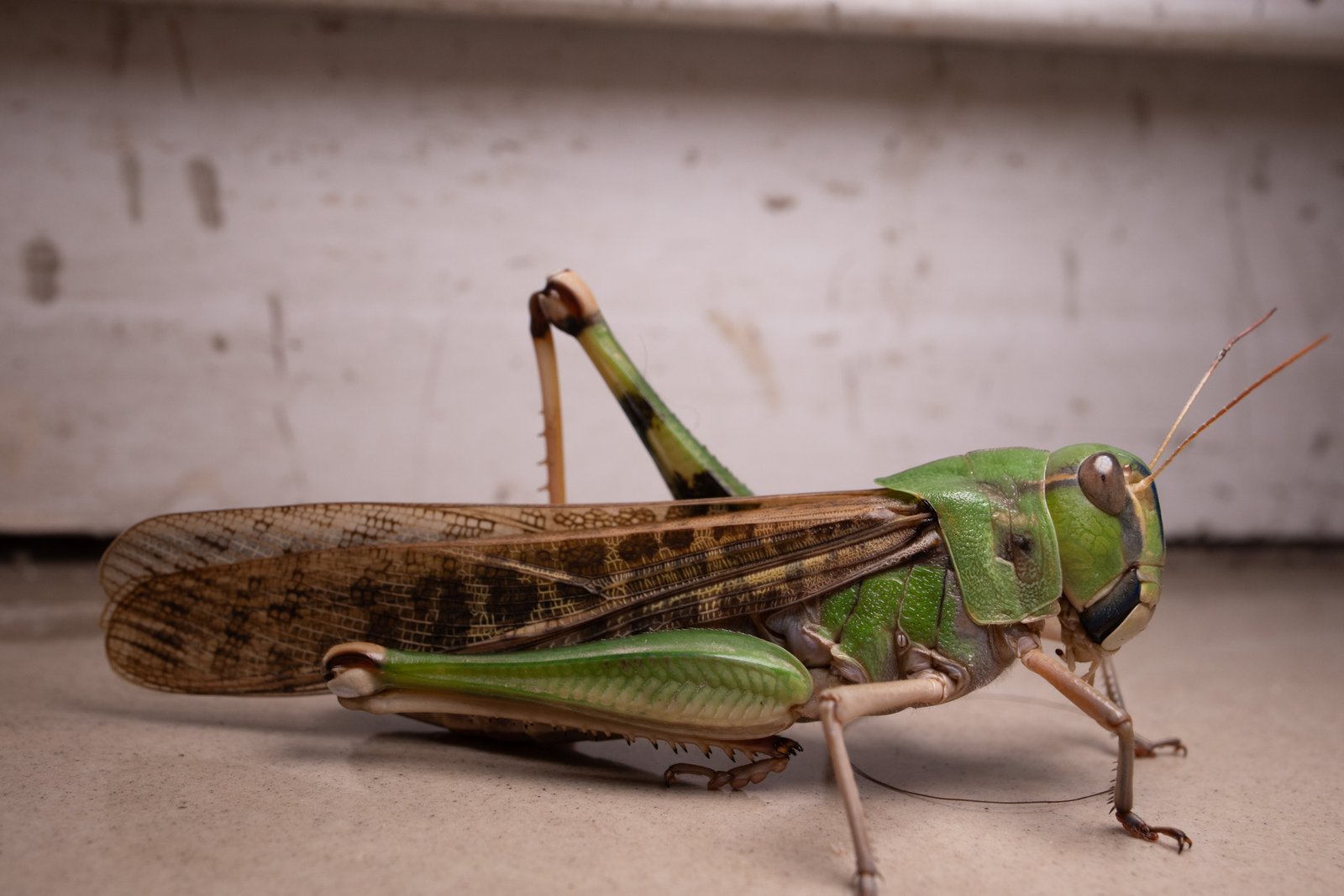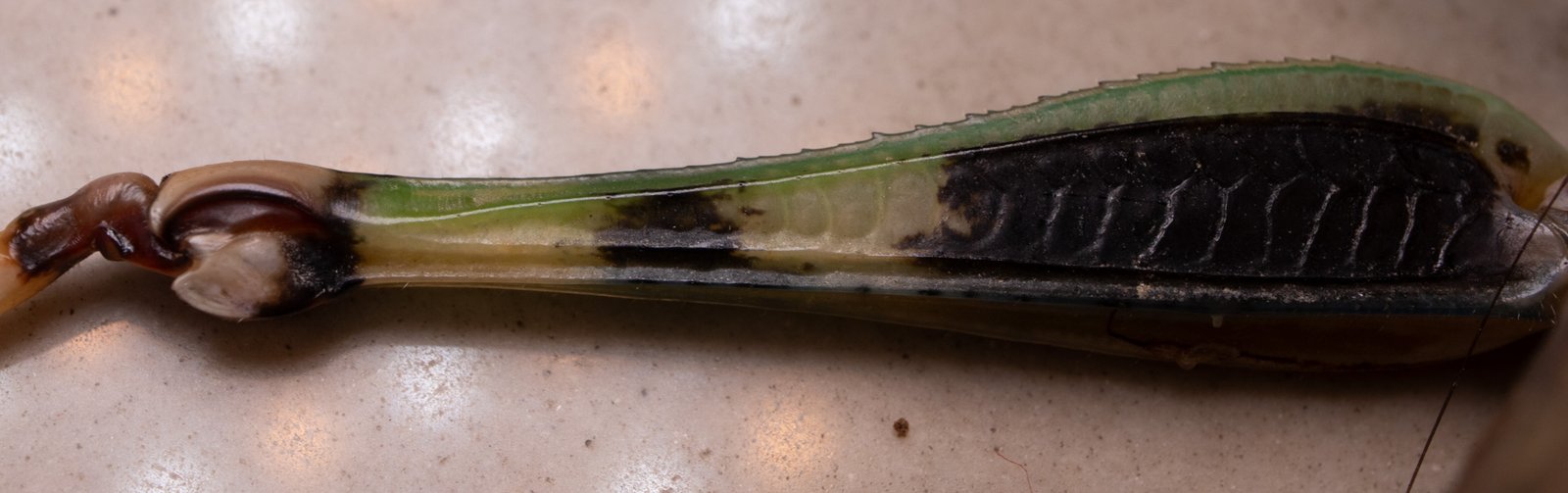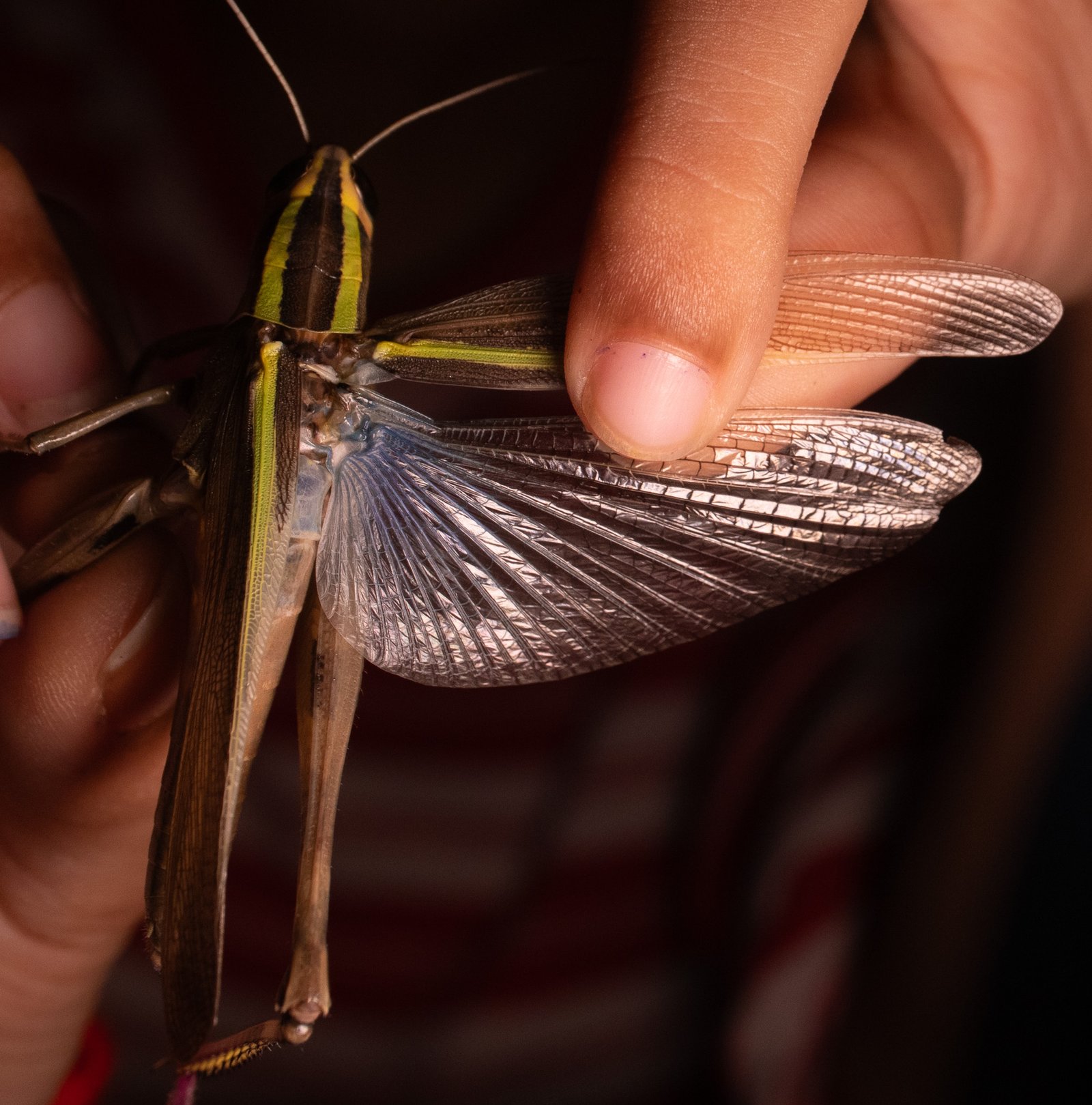
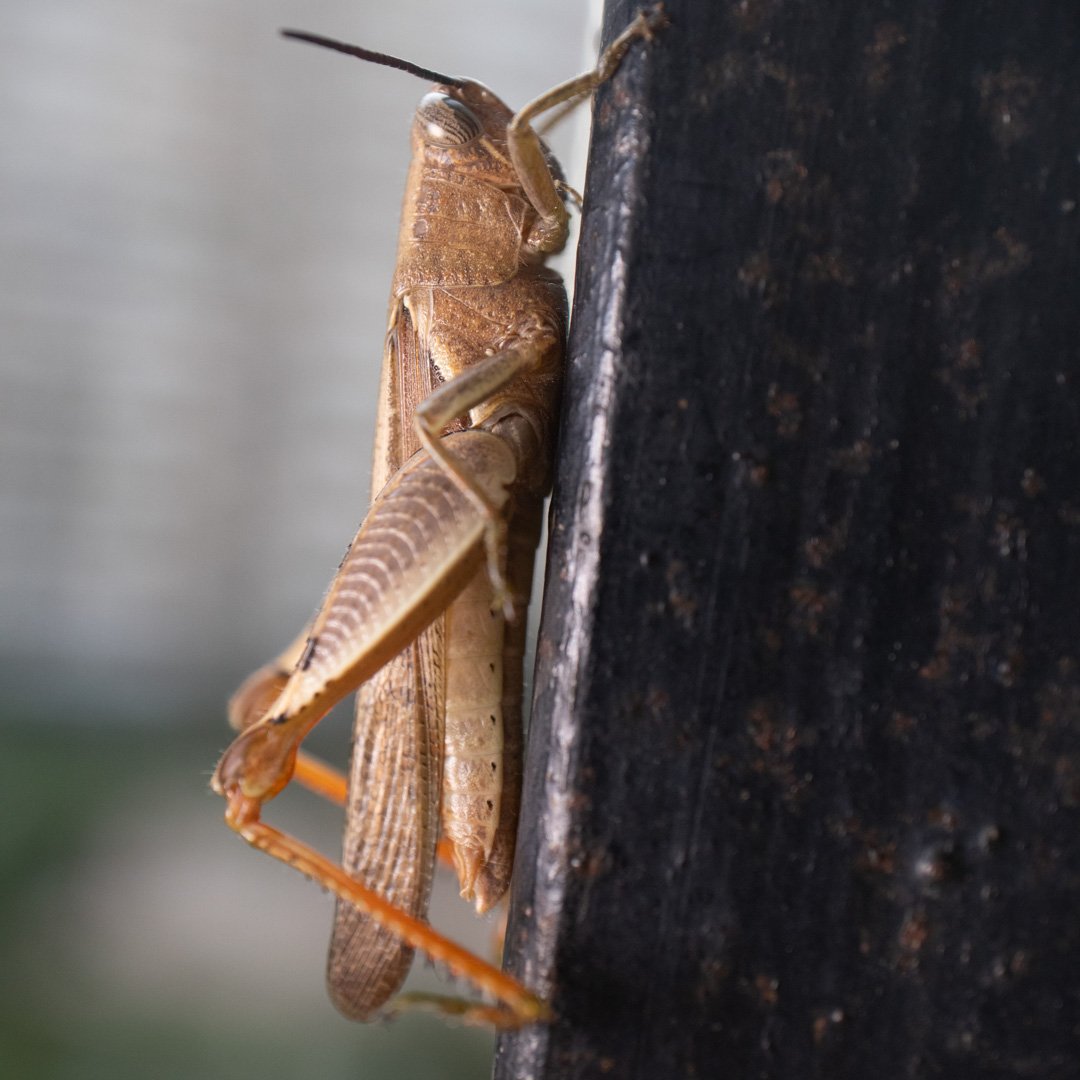
Choroedocus violaceipes is a rather cool and flashy species.

The Remarkable Diversity Of The Giant Grasshoppers

The Grasshoppers are normally small, active, jumping insects found in grass. However, some of the members of the Acrididae have become giants, coming over 5 cm in length, with some species that I have seen being upto about 8.5 cm. The largest ones are even about 14 cm. In this blog, you will come to know more about these unnoticed giants.

I will start this blog with a note – For the last two months (March and April), unfortunately, I haven’t been able to think up a topic for a blog, so therefore no blog was published in that time. I had tried to think about something, but unfortunately, left a gap of 2 months in between. I thought that I will be writing too much on Orthoptera, in consideration of  a recent mole cricket vlog, but decided that I will make this any

I personally love these grasshoppers. There is no proper valid taxon for them, but they are spread across the Acrididae. There are thousand of them, including locusts, and they are characterised by:

  1. Strong hindlegs with tibiae thick and armed with large and sharp spines (You can get hurt by them. Vs Oxyinae)
  2. Broad forewing, hindwing transparent, with dark veins, often with bright bases (Vs some Acrididae, such as Pusana spp.)
  3. Size over 4/5 cm (Vs many Acrididae)
  4. Face not very smooth/elongate (vs Acridinae)
  5. An ocellus placed between and a little below the antennal scapes (Vs Acridinae)
  6. Antennal scapes not at the apex of head (Vs Acridinae, again)


There are some other things that are hard to explain, the general look of the body is quite distinctive. For some reason, it looks like members of several subfamilies evolved such features separately (Based on some studies). 

Diabolocatantops are rather small at 4/5 cm, but are quite strong, and have a quick reaction speed.

Are these adaptations useful?

Large size, in grasshoppers, seems be the reason that they are rare, as they are very easily spotted, so they are more vulnerable to predation by birds, though they are less vulnerable to predation by spiders etc.

This is also why making a nice gallery of them is quite easy. But here’s the challenge – you need to know how to grab it. You can keep your hand above or below it and grab from its sides, otherwise you will get hurt by its spines, a common thing in my experience, and luckily, it is often not enough to give cut, though it does pain, but now I have learnt how to grab them without getting hurt, it only takes a little experience to understand the twisting limits of their hindlegs (It is quite flexible, they will tag your hands from behind!). 

This is crucial for the grasshopper, as it is its best bet at survival when caught. Otherwise, they can jump long distances, and can fly high, and combined with their size and wingspan, some spp. are even referred to as bird grasshoppers.

Read about these creatures too -

Gallery

Here’s my gallery:

Diabolocatantops-2

Diabolocatantops sp.

Hindwings

chroedocus illustris-7

Choroedocus violaceipes

Hindwings

Diabolocatantops-3

Diabolocatantops sp.

Face view

grasshopper- loki-5

Hieroglyphus sp.

Lateral view

chroedocus illustris-2

Choroedocus violaceipes

Face view

Diabolocatantops-6

Diabolocatantops sp.

Hindwings

Diabolocatantops-5

Diabolocatantops sp.

Innerside of posterior femora

loki-16

Locusta migratoria

Dynamic (intermediate) view of head and thorax.

loki-7

Locusta migratoria

Face view

Diabolocatantops-1

Diabolocatantops sp.

Lateral view

loki-3

Locusta migratoria

Dorsal view of head and thorax

chroedocus illustris-10

Choroedocus violaceipes

Hindwings

loki-20

Locusta migratoria

Innerside of posterior femora

grasshopper- loki-7

Hieroglyphus sp.

Hindwings

grasshopper- loki-7

Hieroglyphus sp.

Hindwings

loki-26

Locusta migratoria

Hindwings

grasshopper- loki-3

Hieroglyphus sp.

Dorsal view

loki-14

Locusta migratoria

Lateral view

chroedocus illustris-13

Choroedocus violaceipes

Innerside of posterior femora
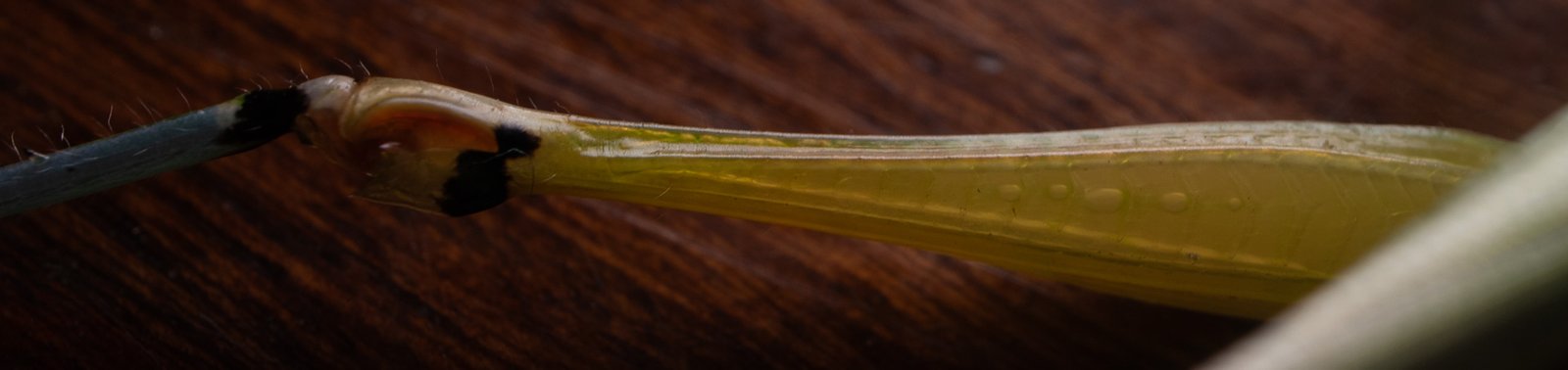
chroedocus illustris-1

Choroedocus violaceipes

Hindwings

chroedocus illustris-8

Choroedocus violaceipes

Hindwings

Thanks for reading! Pls comment and rate this article, it a big thing for us!

References:

  1. A few google searches
  2. Personal experience
  3. iNaturalist observations etc.
0 0 votes
Article Rating
Subscribe
Notify of
guest
0 Comments
Oldest
Newest Most Voted
Inline Feedbacks
View all comments
0
Would love your thoughts, please comment.x
()
x