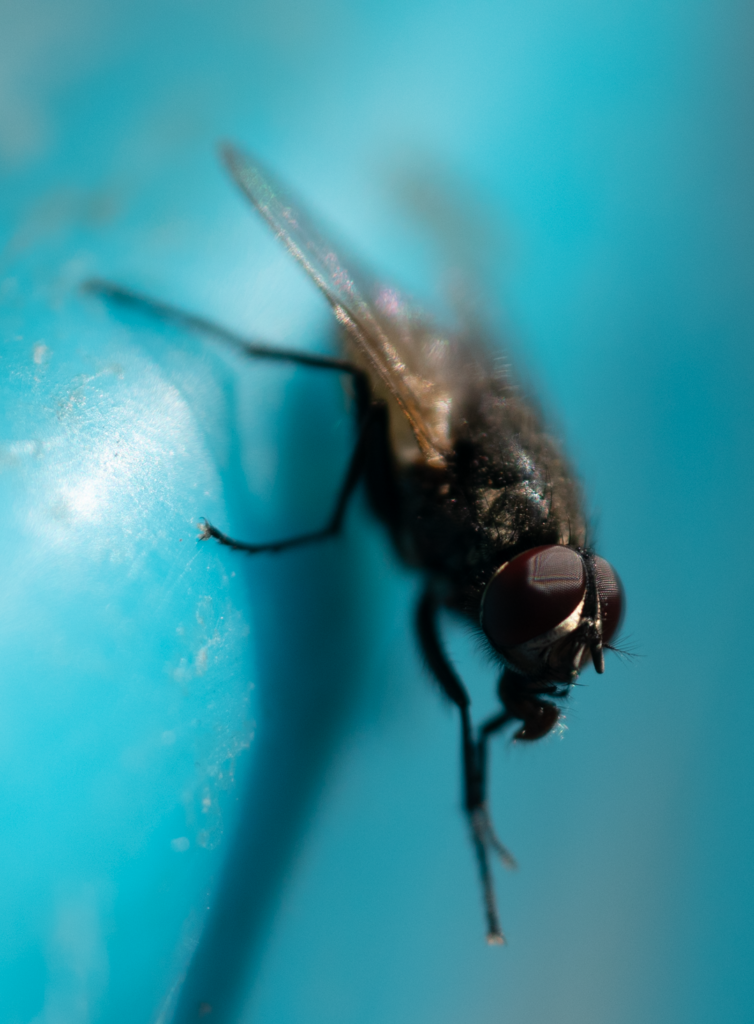
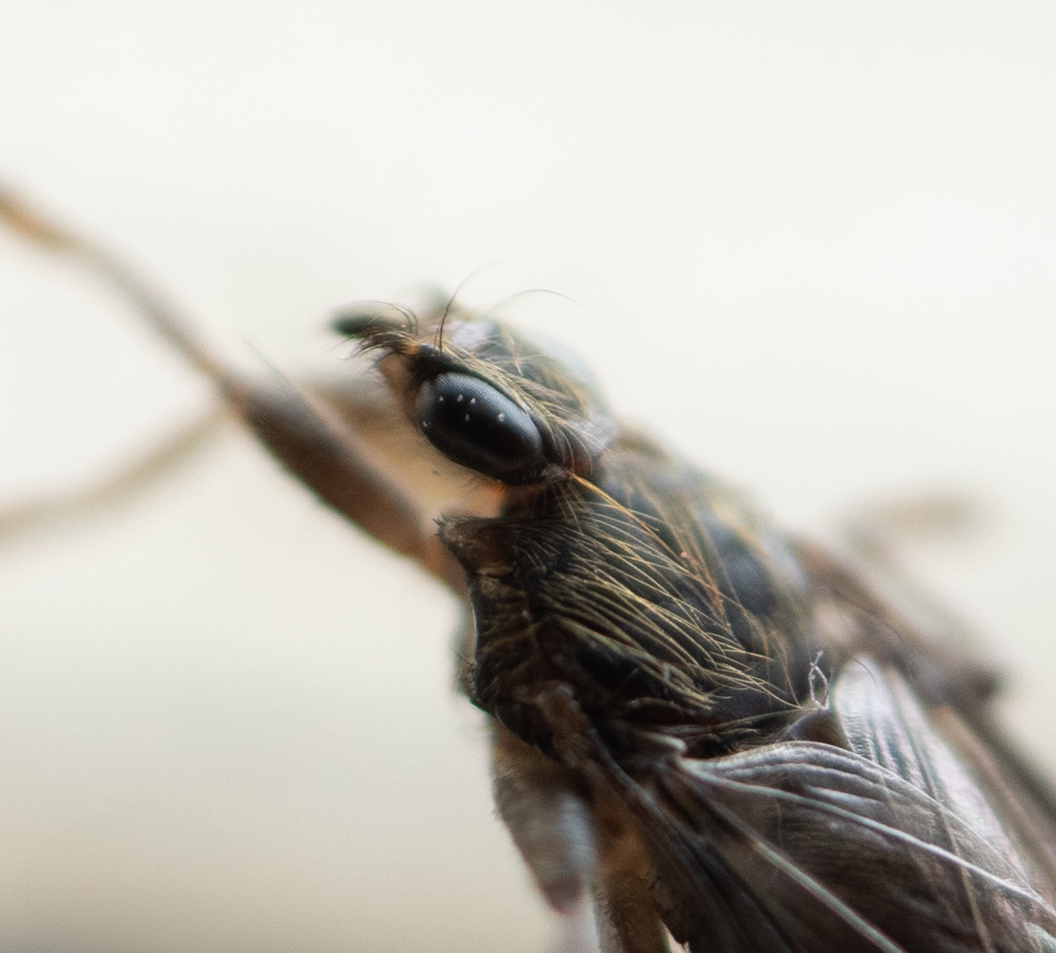
Just being called the “pigeon” louse fly doesn’t make the pigeon it’s weakness.
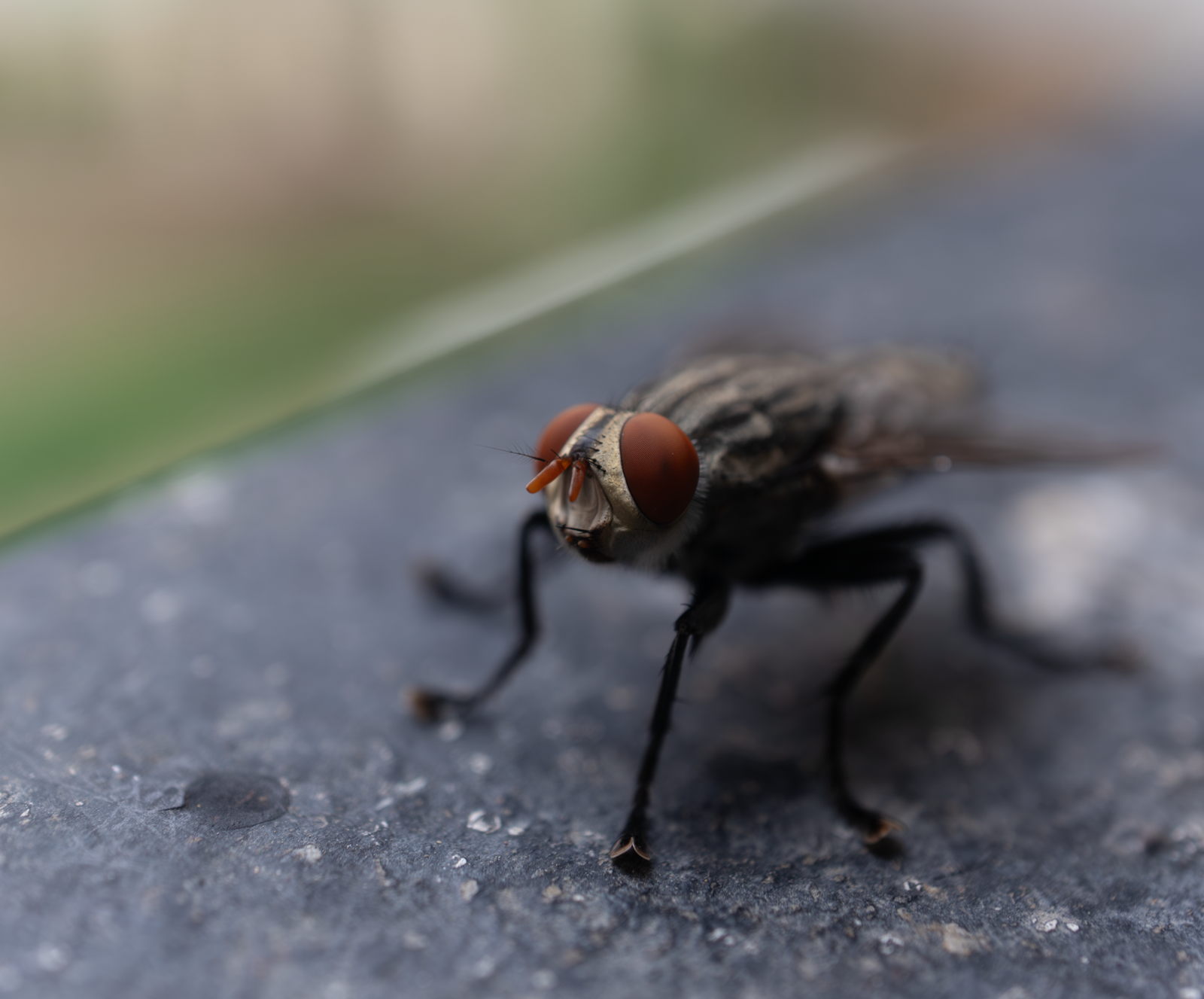
I have unveiled the easy ways to differentiate these two similar yet unrelated flies.
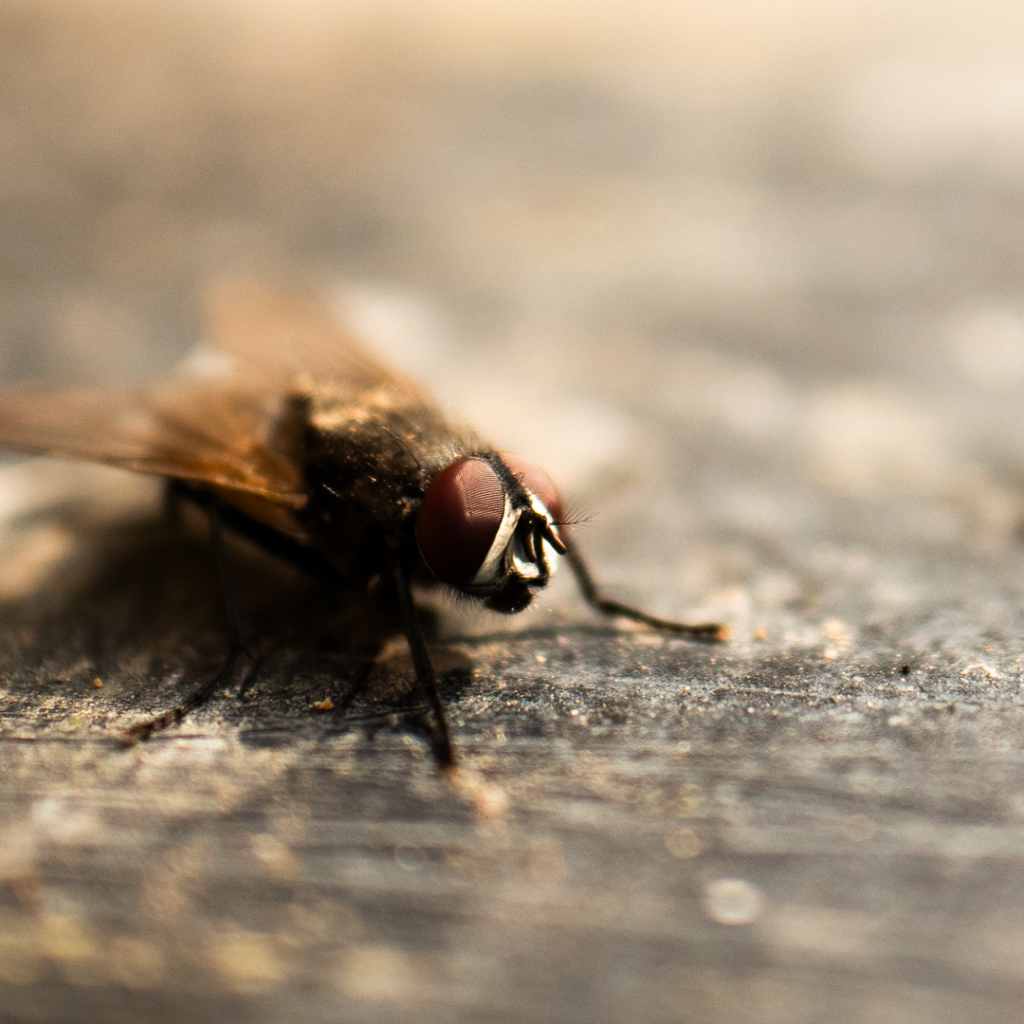
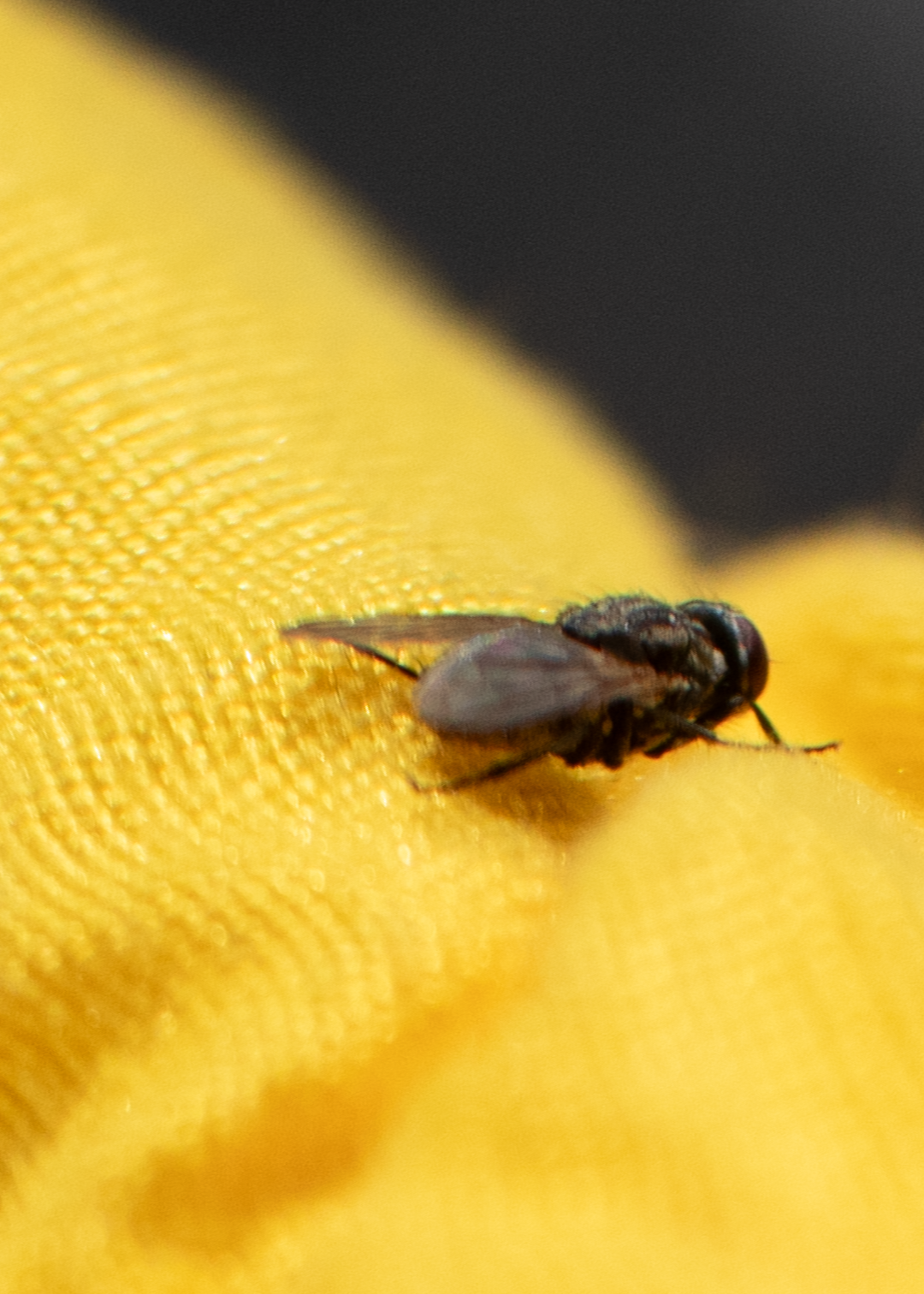
Musca domestica
Common housefly
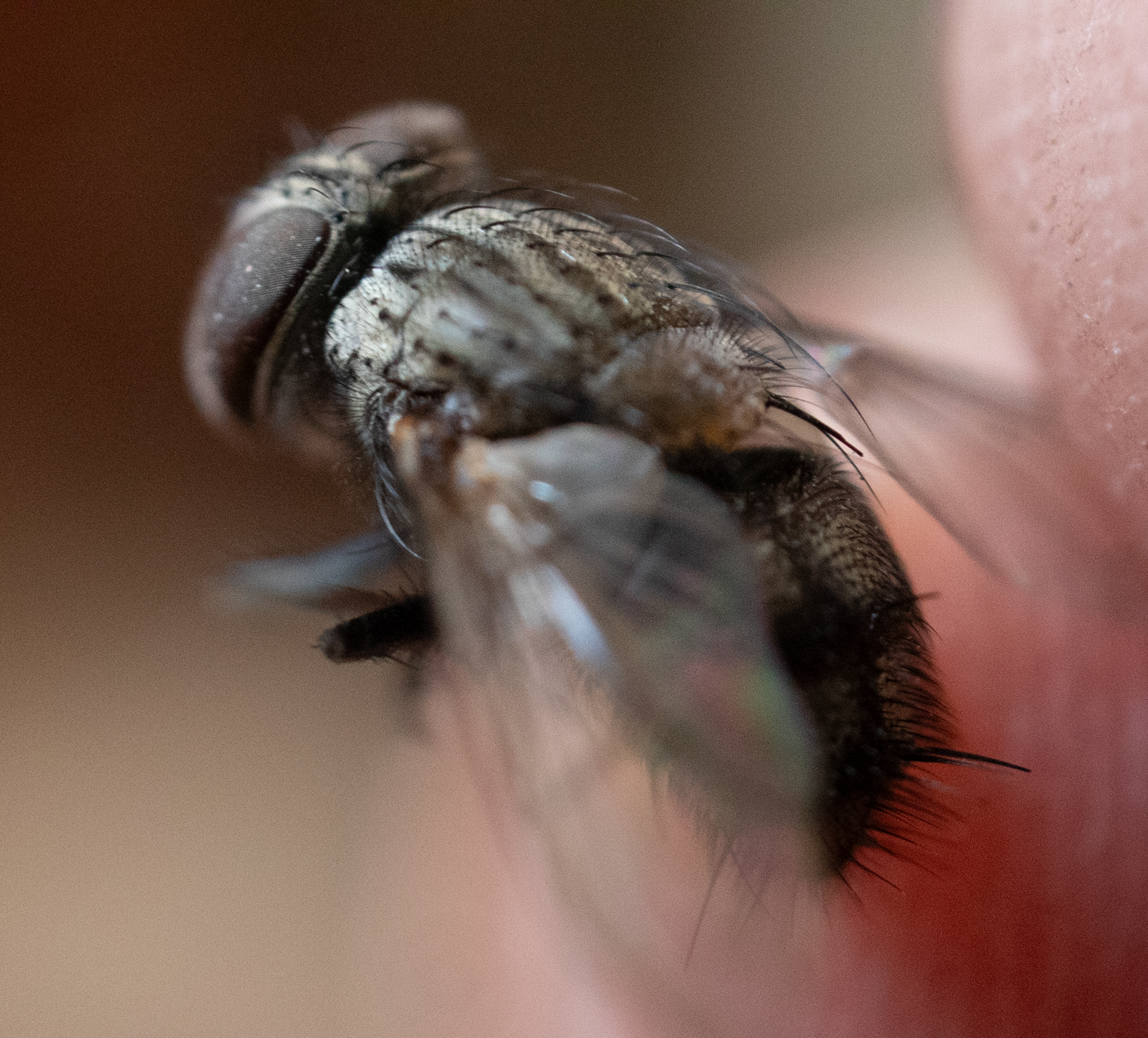
Musca sp2
Found it dead once, and never found it afterwards.
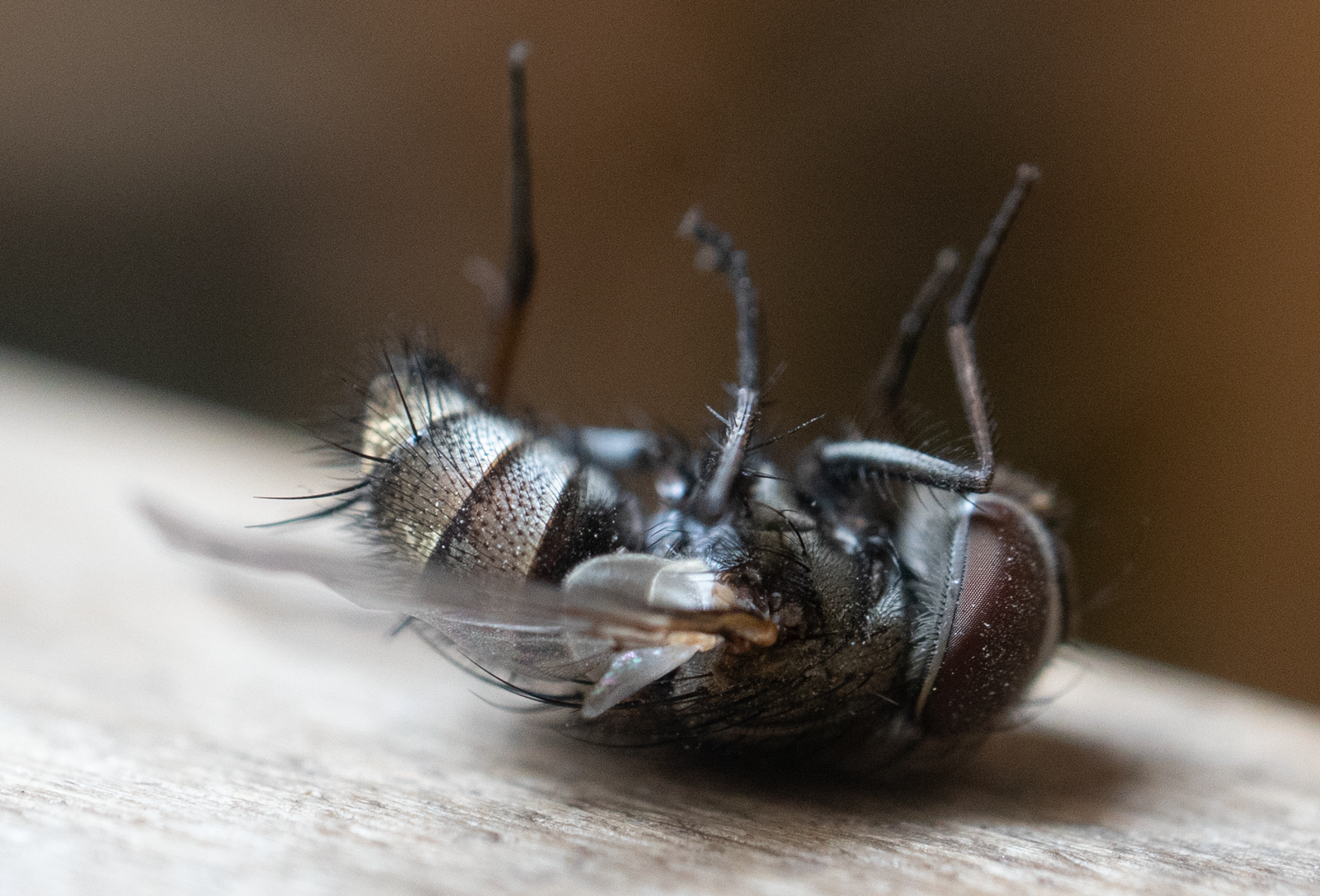
Musca sp2
Found it dead once, and never found it afterwards.
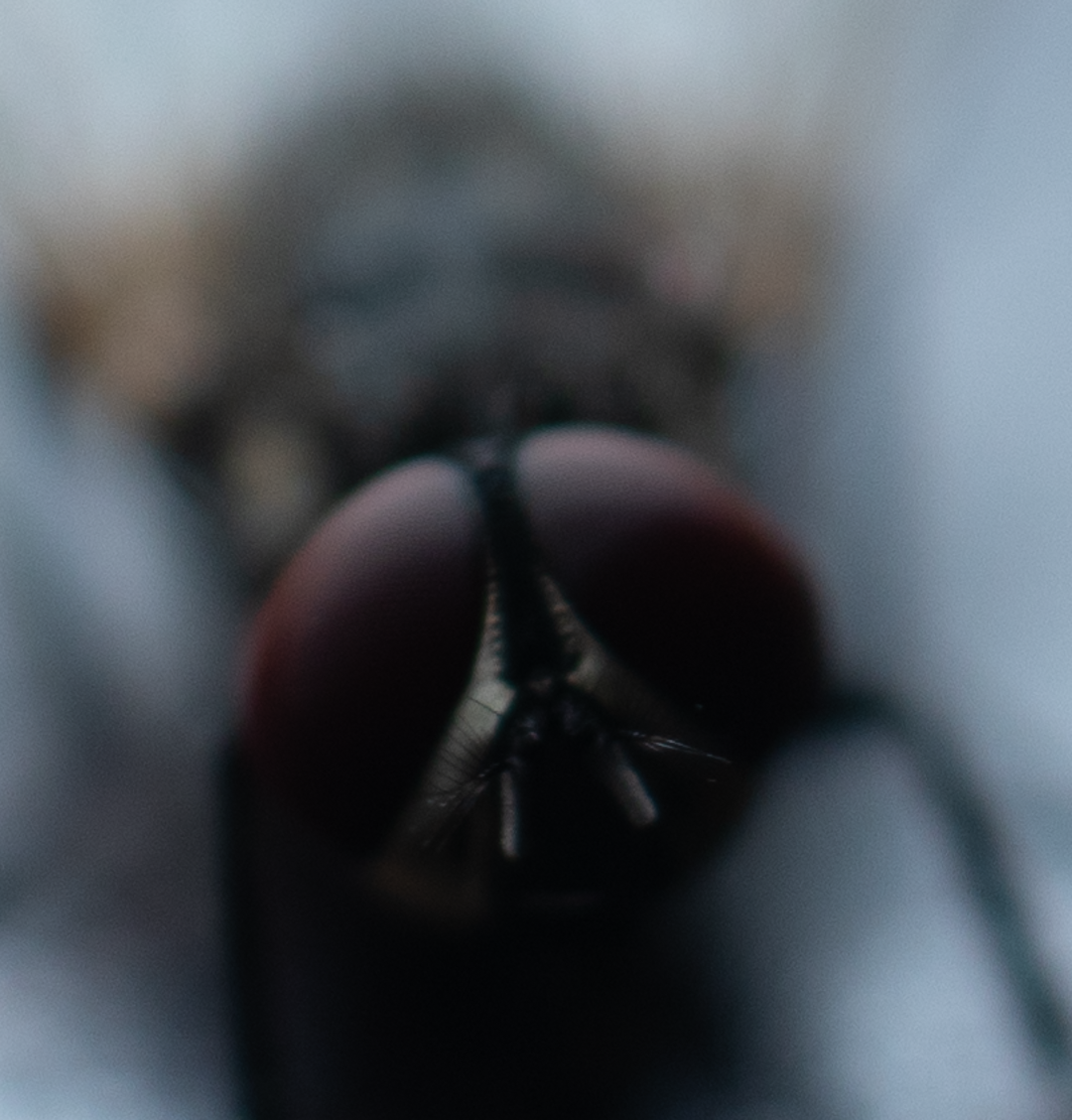
Musca domestica
Common housefly
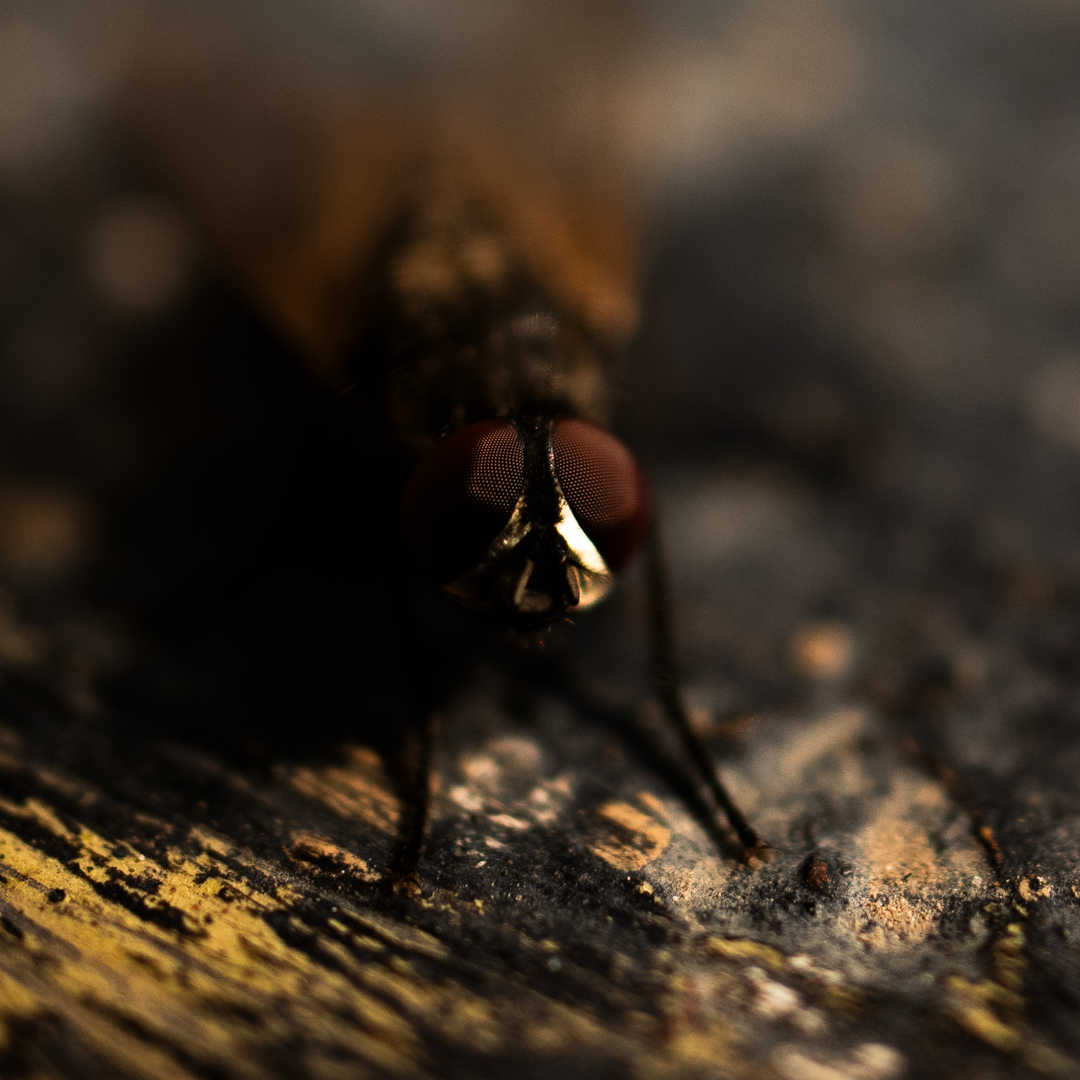
Musca domestica
Common housefly
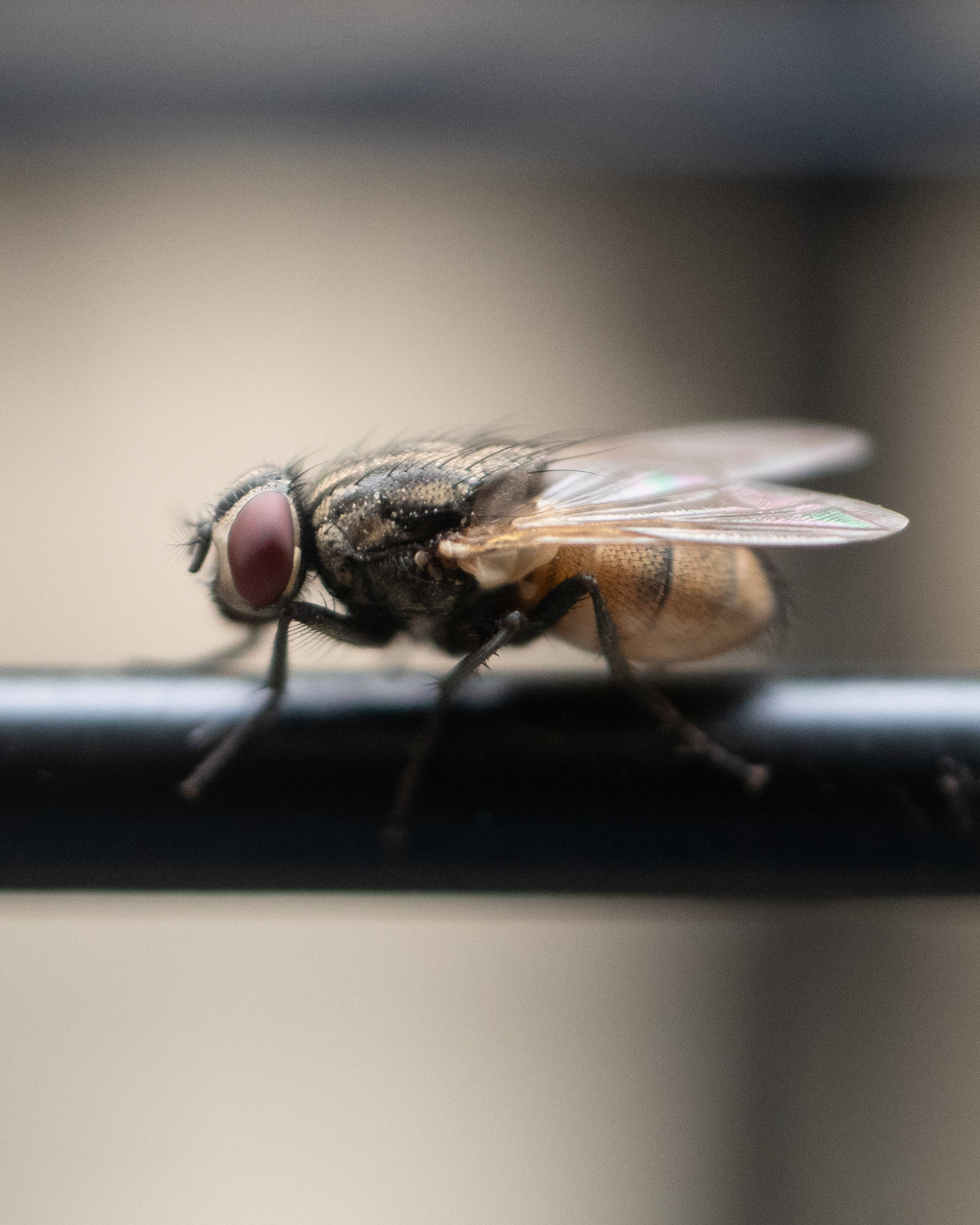
Musca domestica
Common housefly
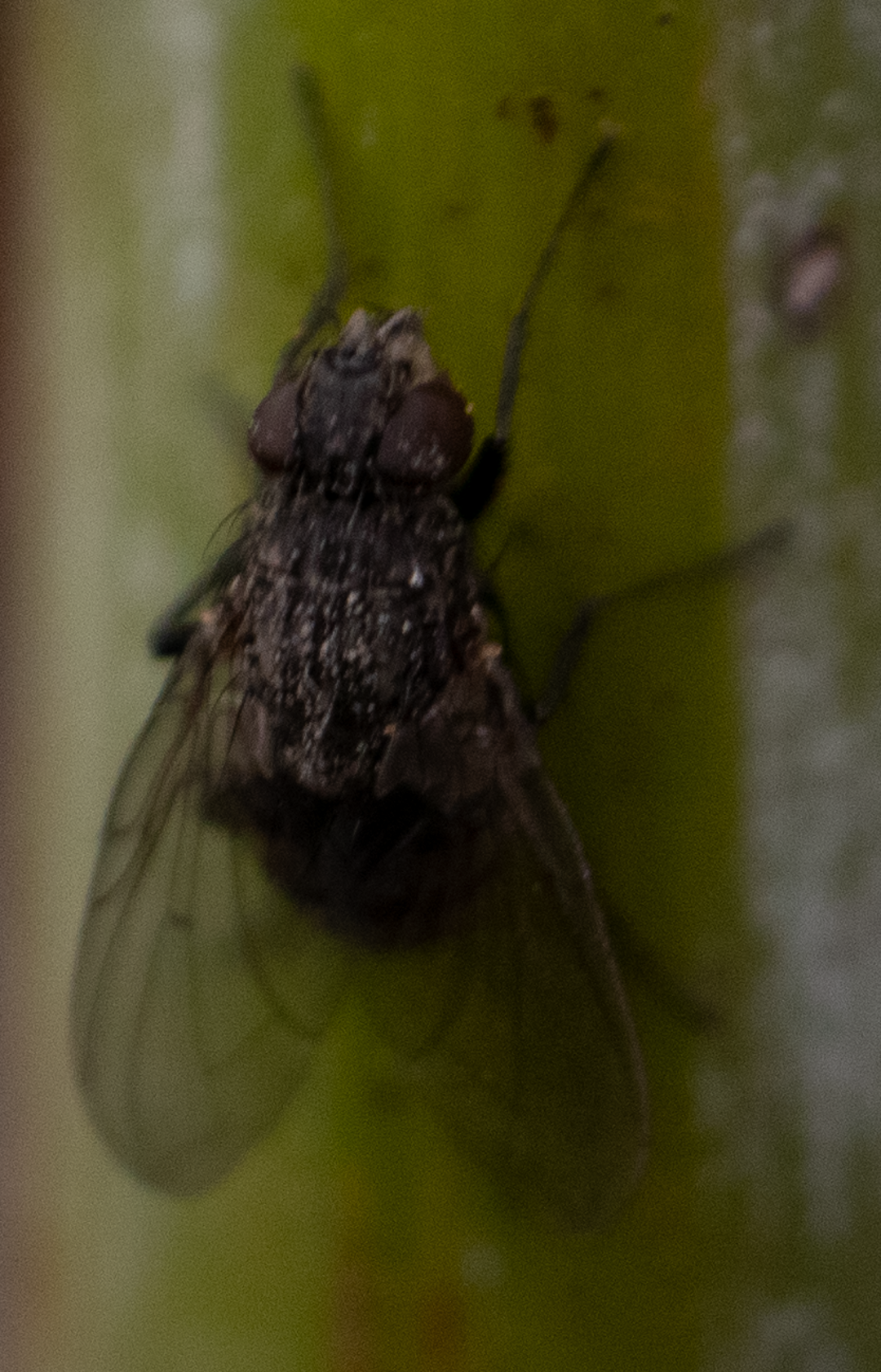
Musca sp3
A species, probably infected by a fungus.
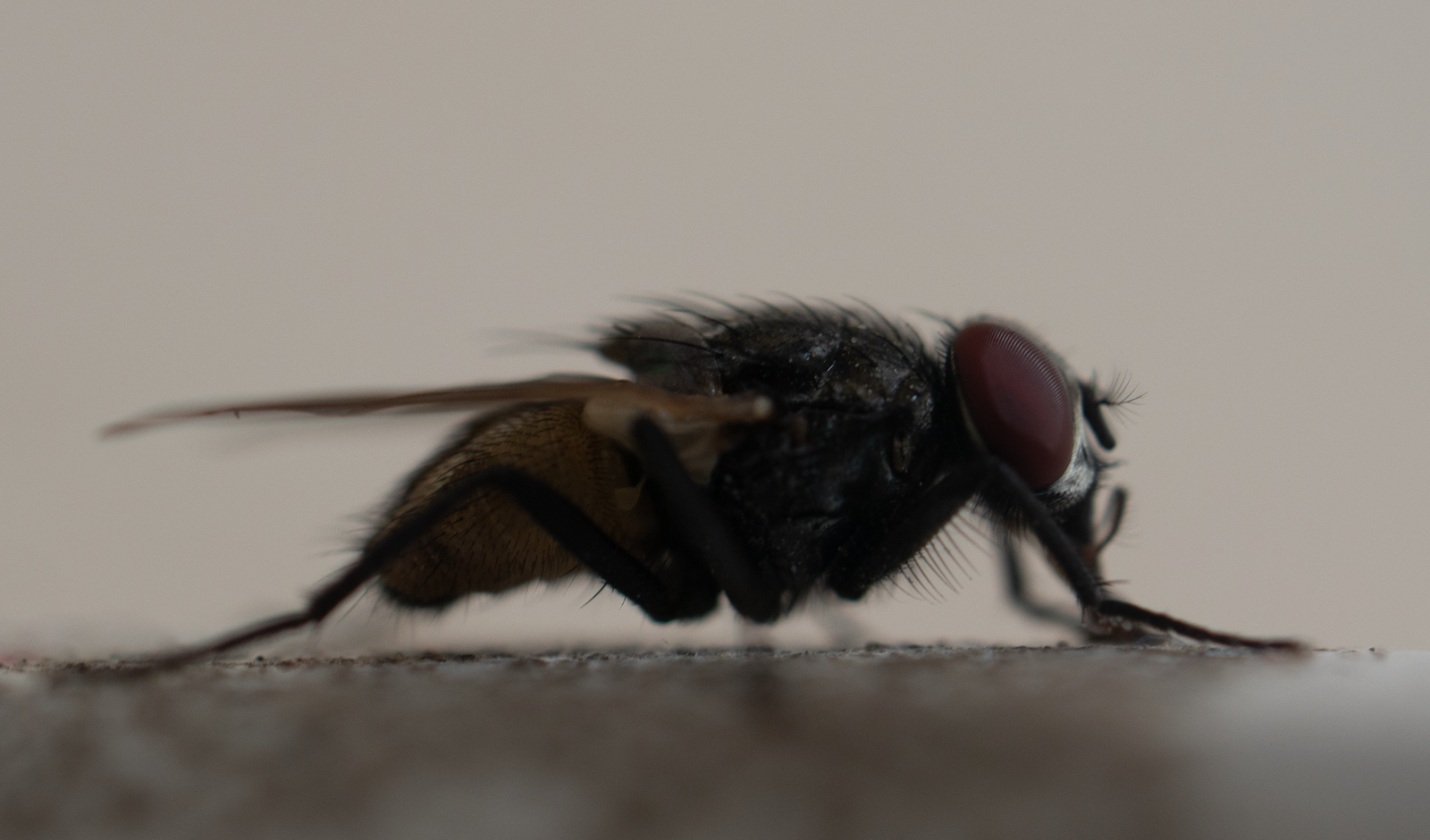
Musca domestica
Common housefly
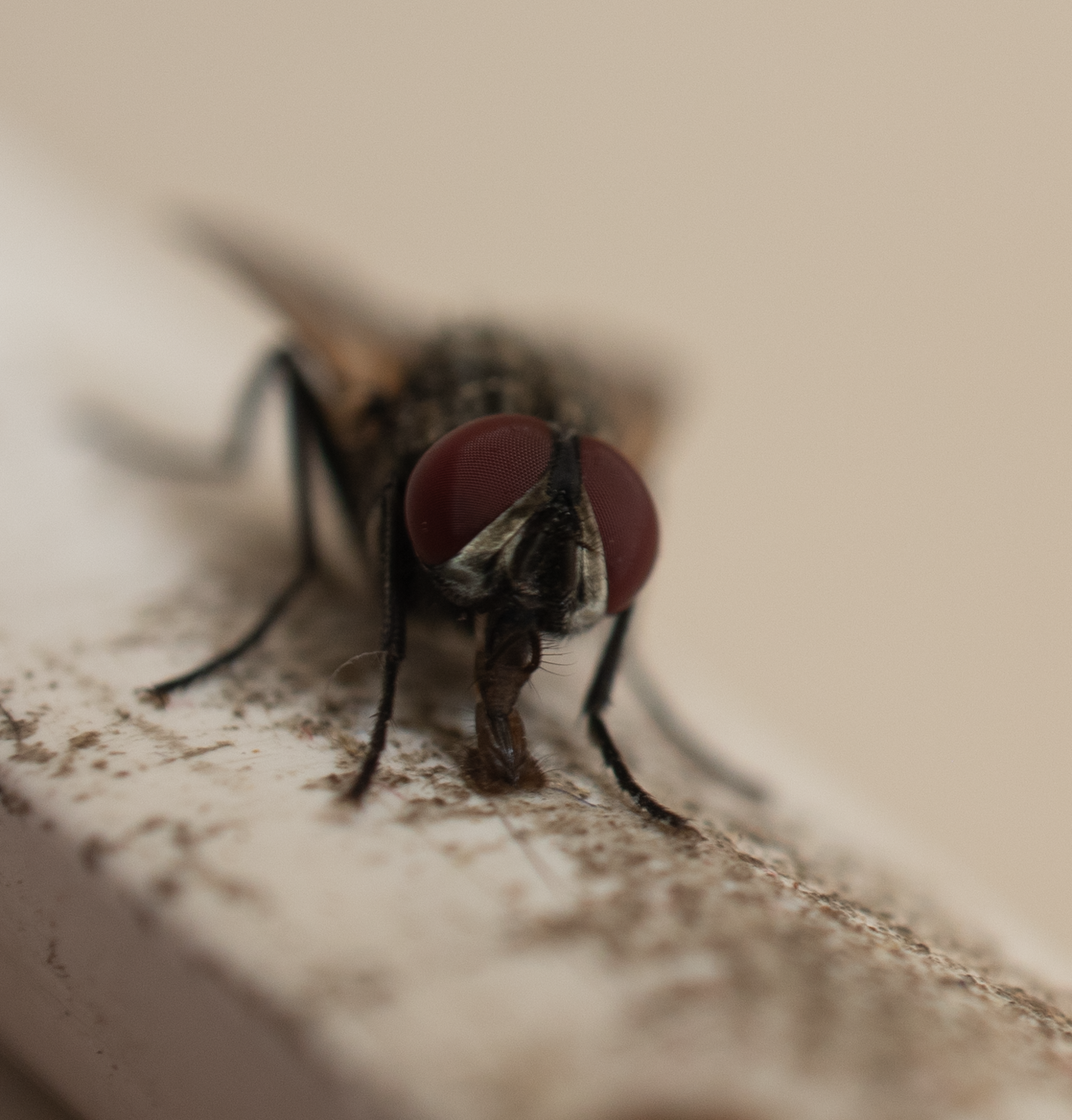
Musca domestica
Common housefly (With the proboscis extended, which helps them suck up food)
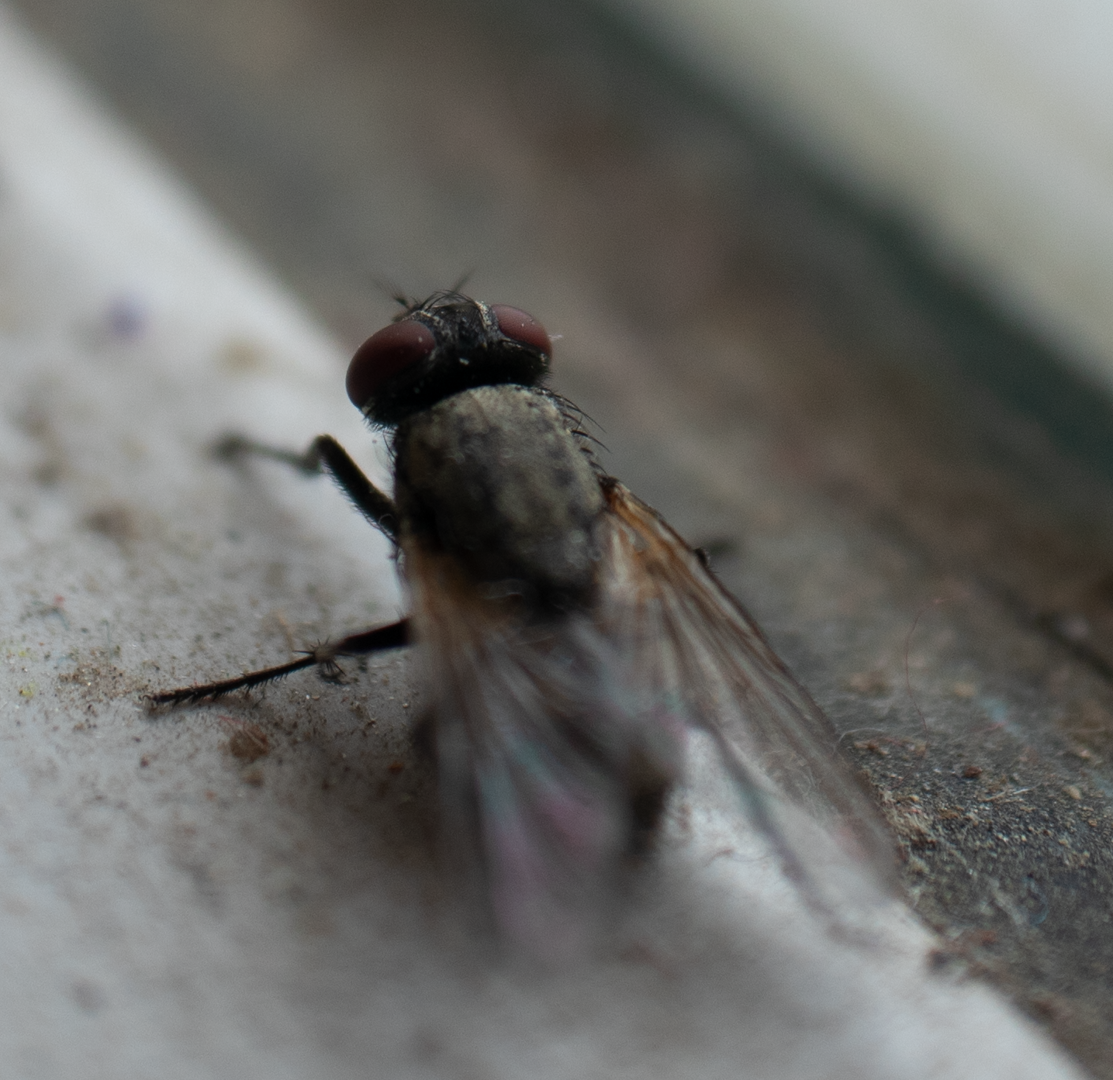
Musca domestica
Common housefly
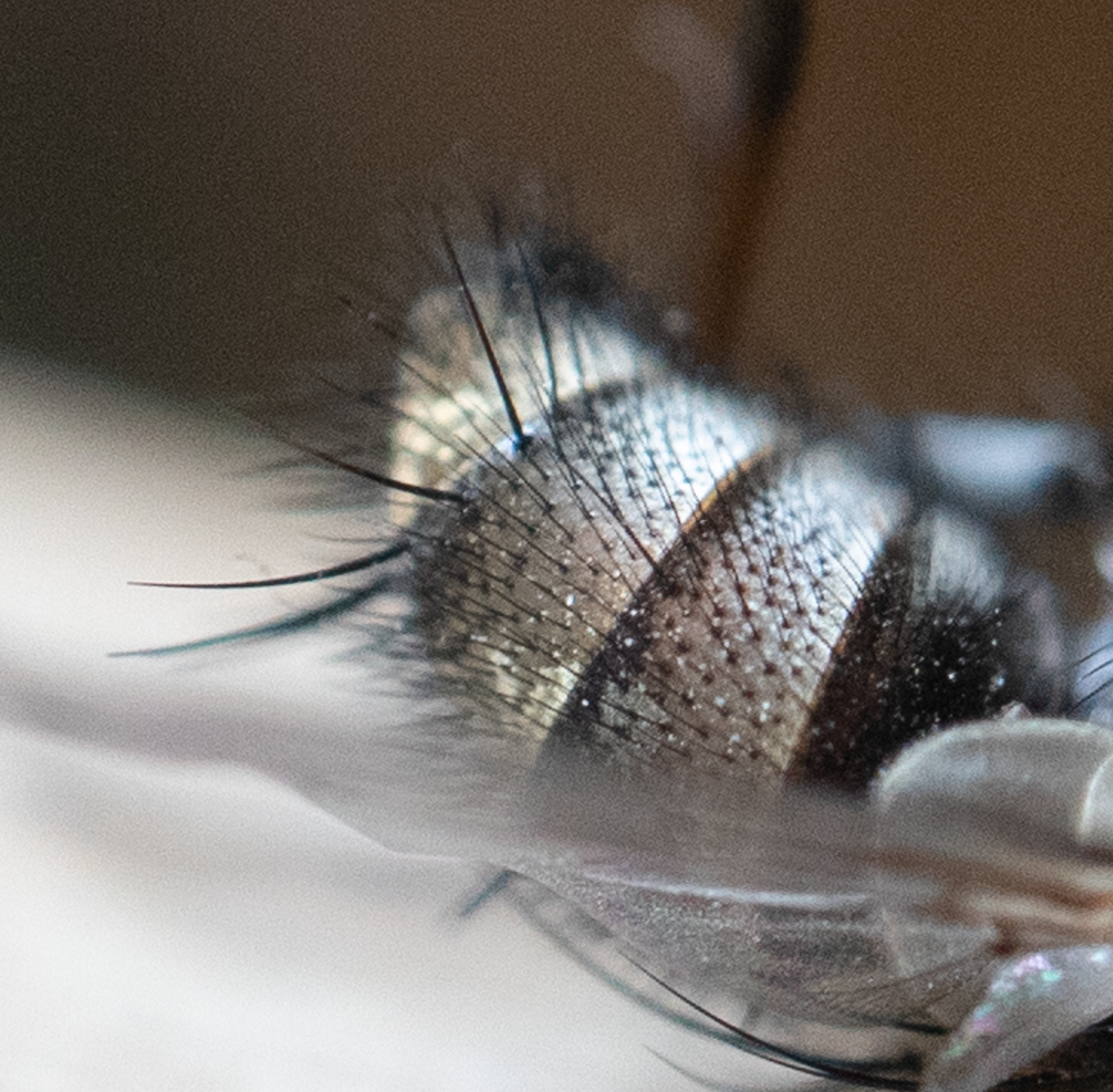
Musca sp2
Found it dead once, and never found it afterwards.
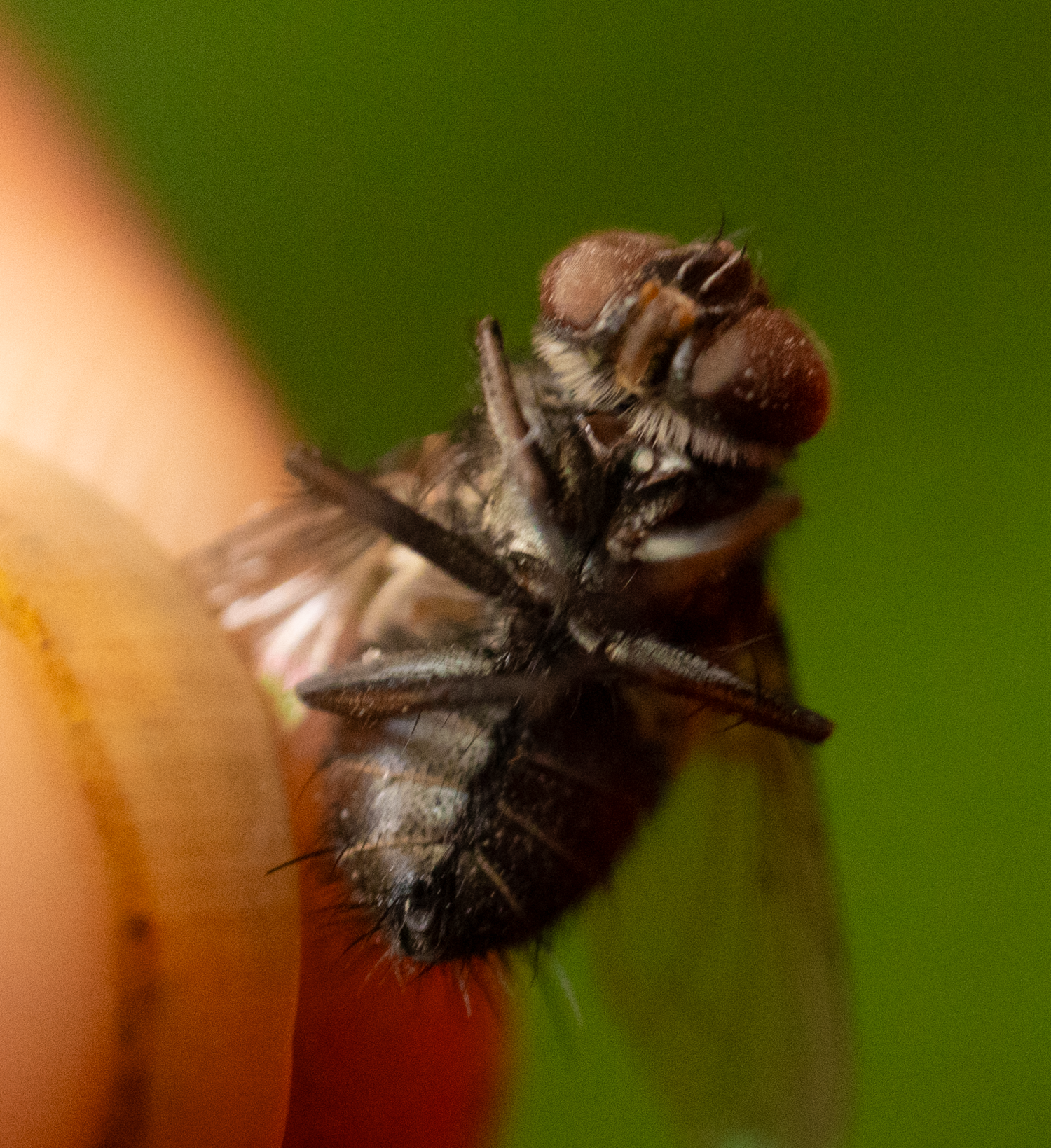
Musca sp2
Found it dead once, and never found it afterwards.
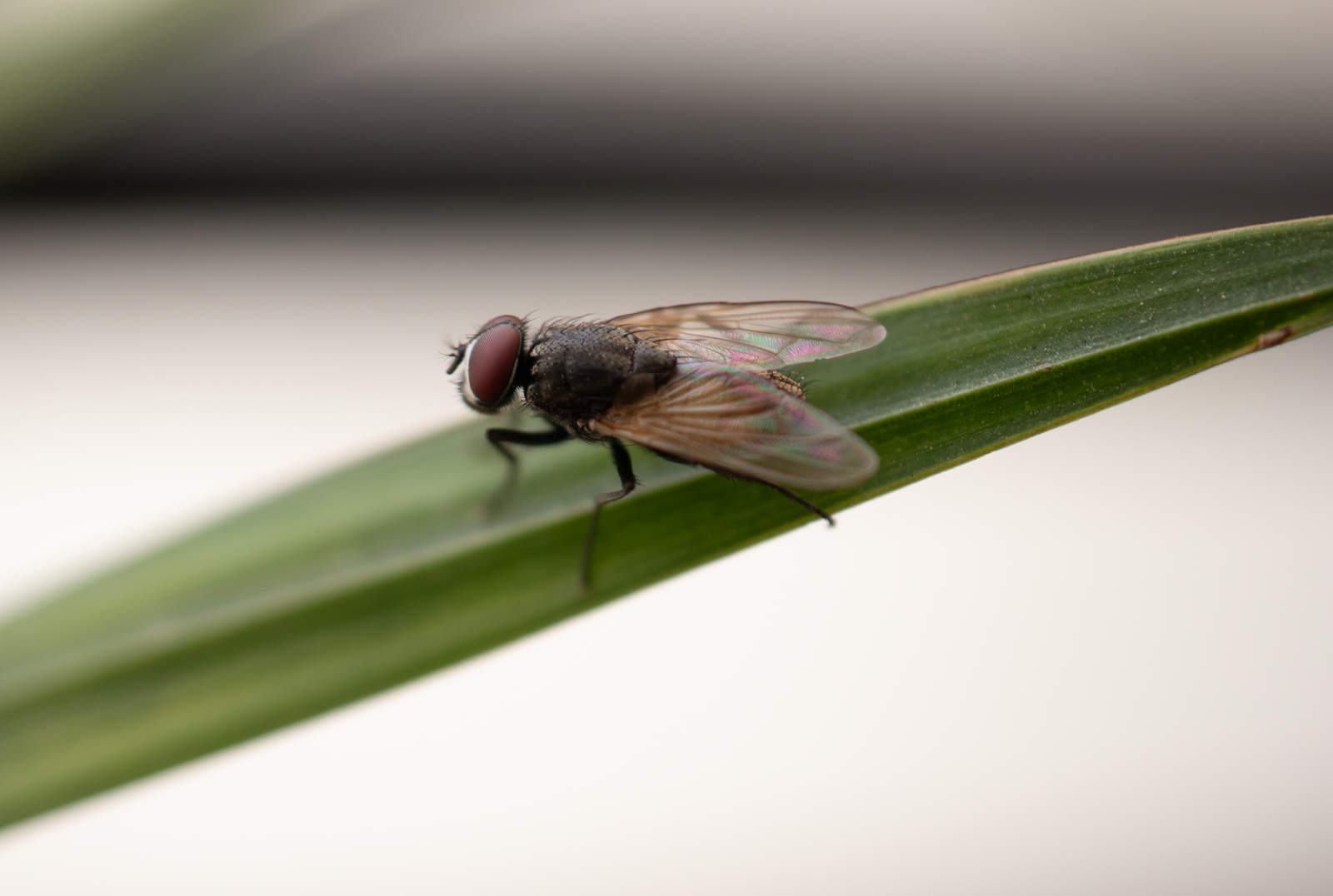
Musca domestica
Common housefly
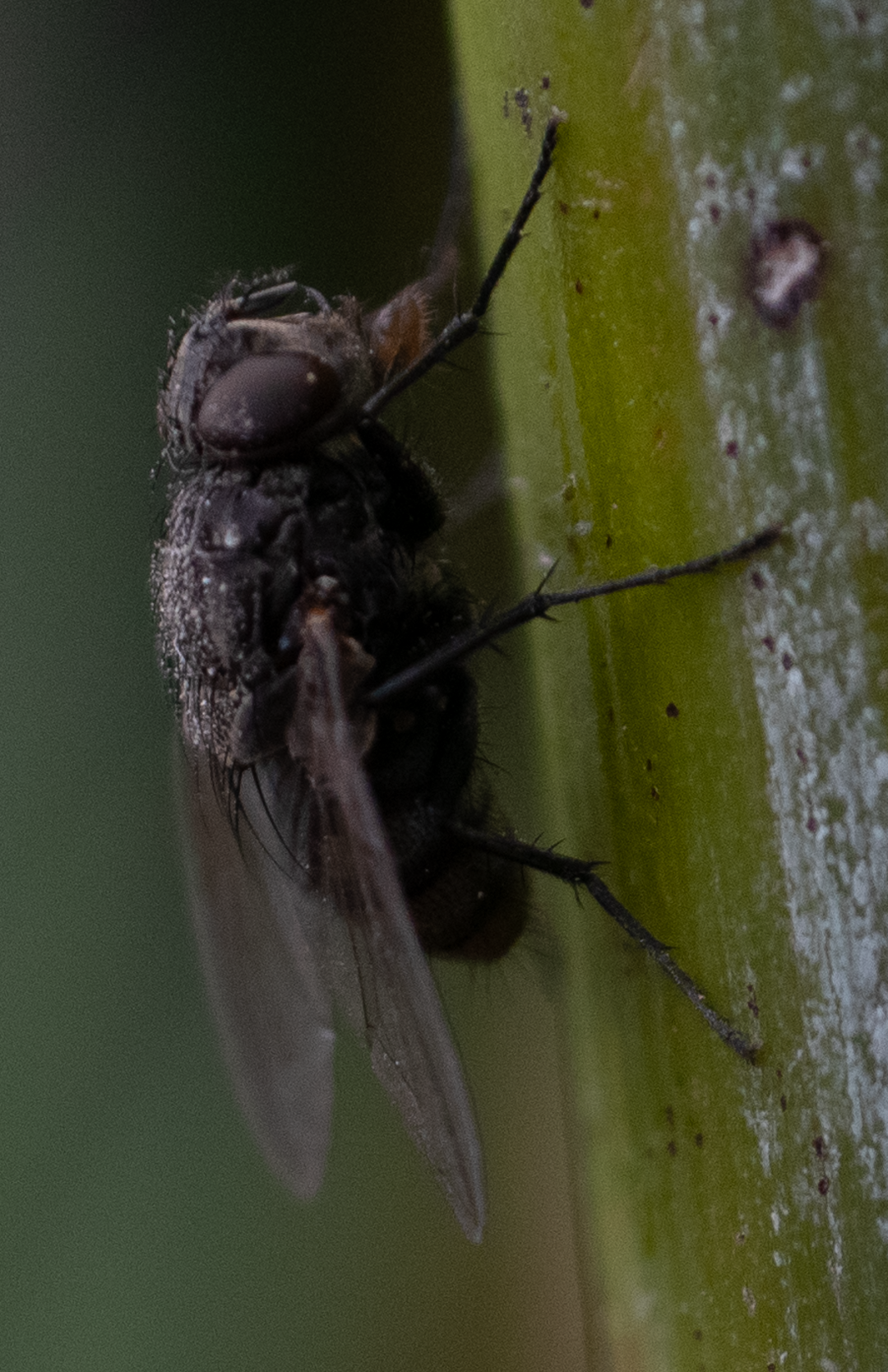
Musca sp3
A species, probably infected by a fungus.
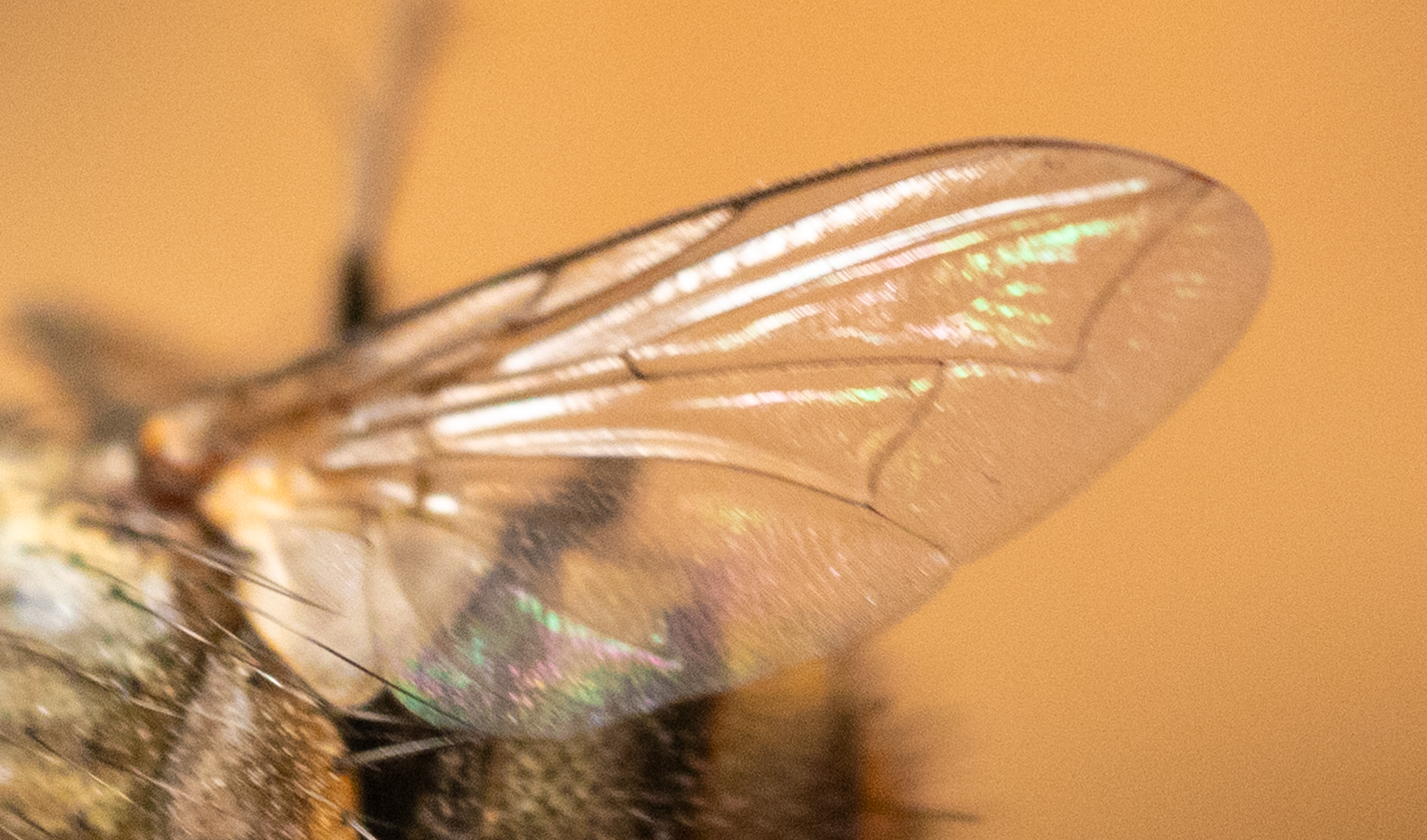
Musca sp2
Found it dead once, and never found it afterwards.
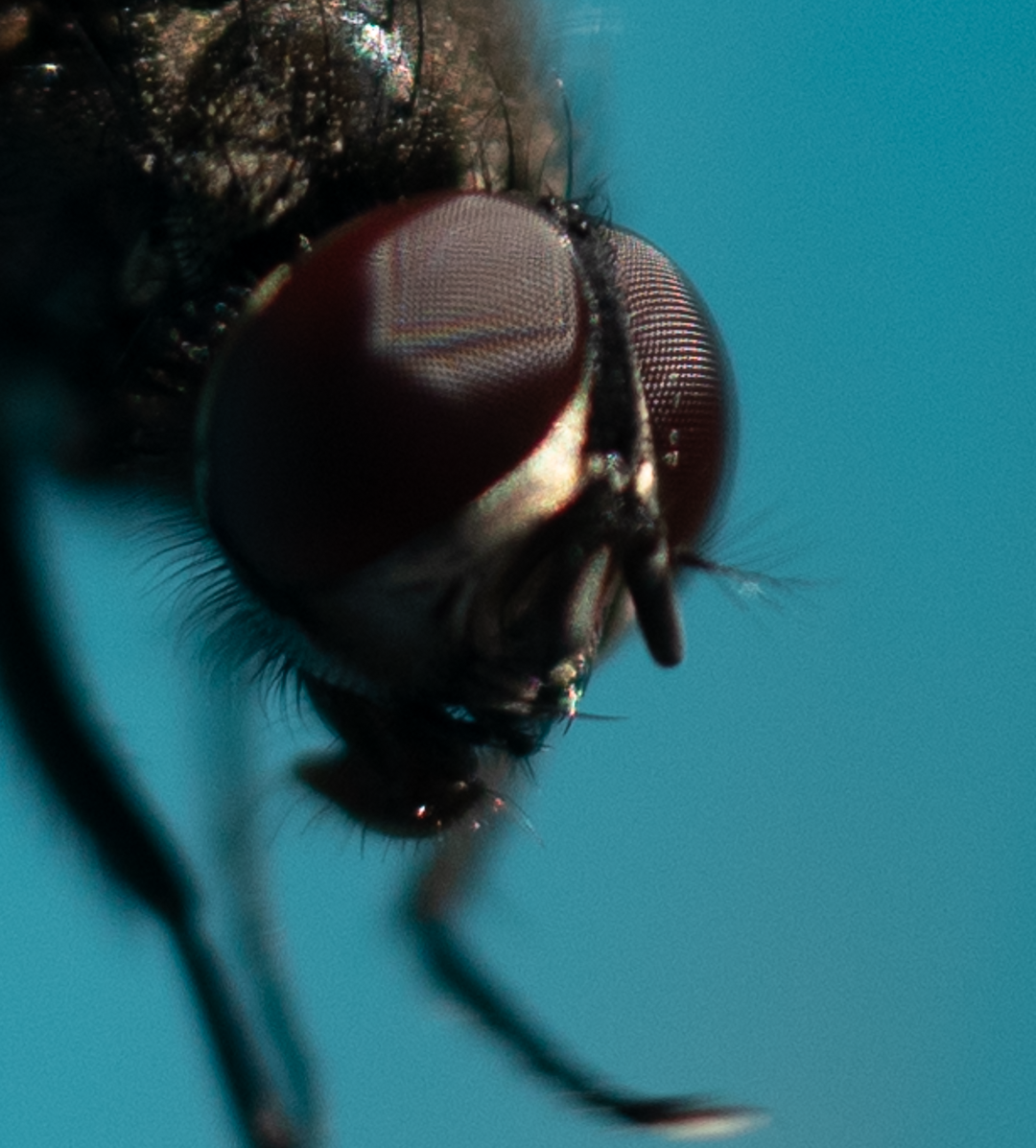
Musca domestica
Common housefly
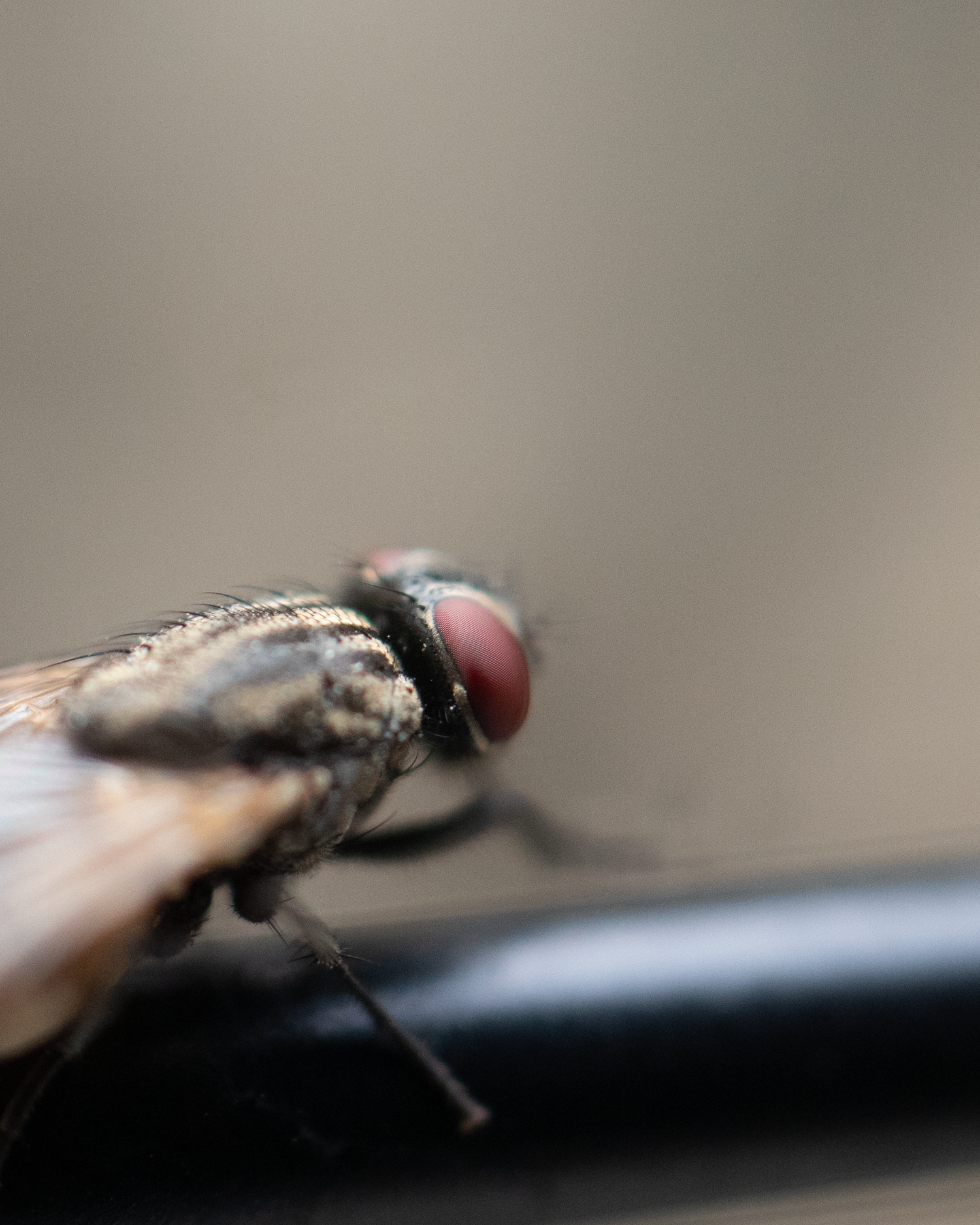
Musca domestica
Common housefly
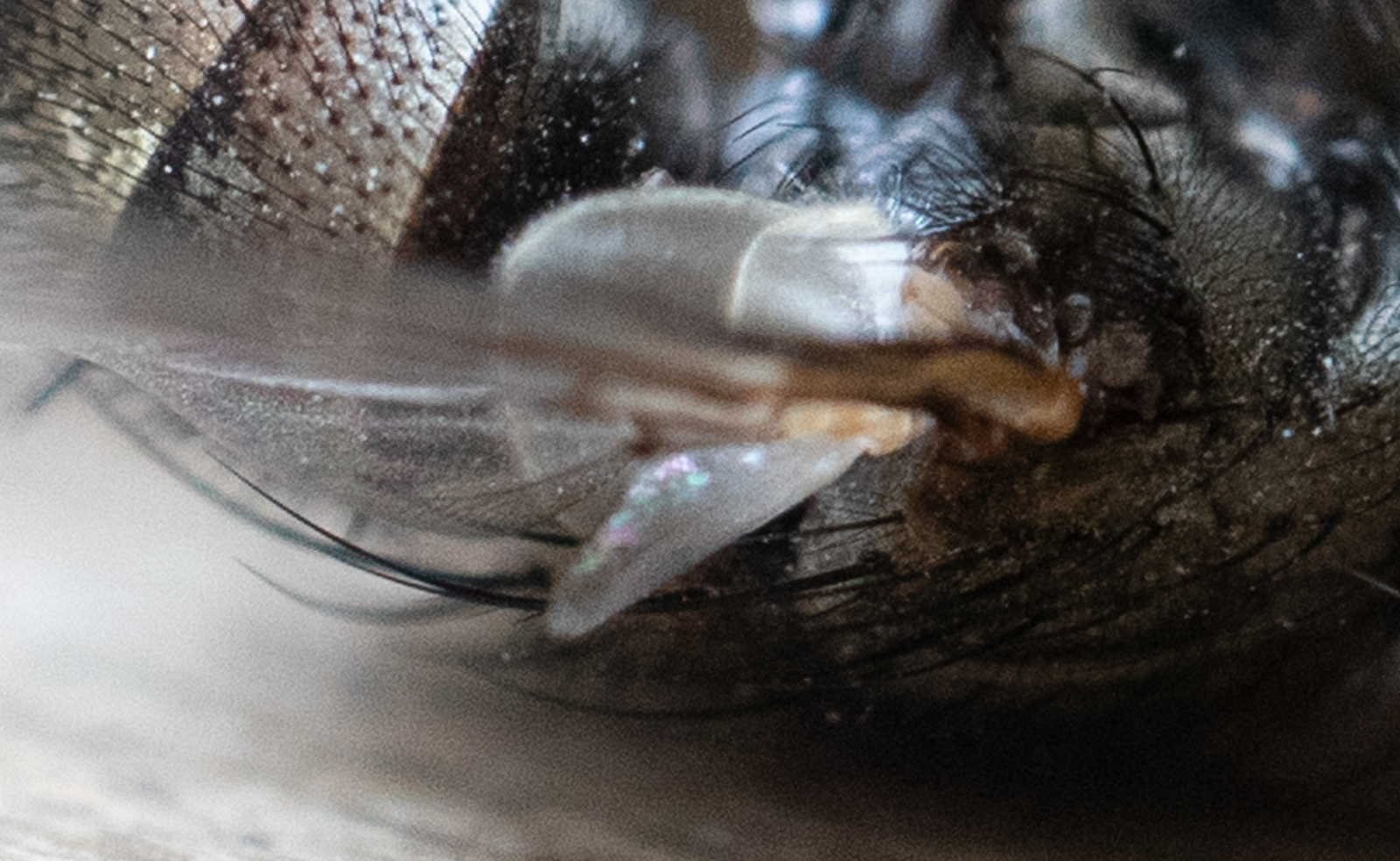
Musca sp2
Found it dead once, and never found it afterwards.
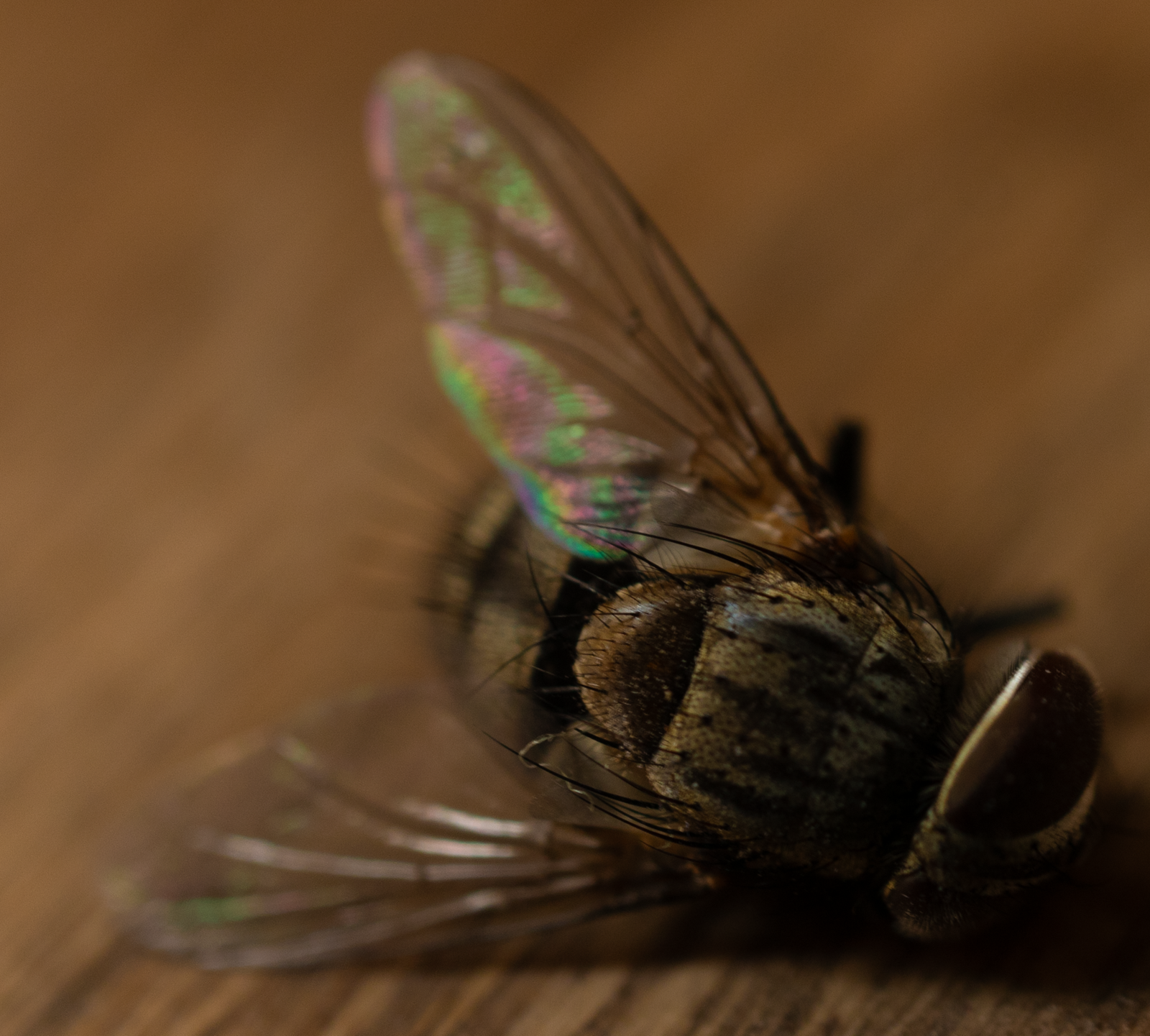
Musca sp2
Found it dead once, and never found it afterwards.
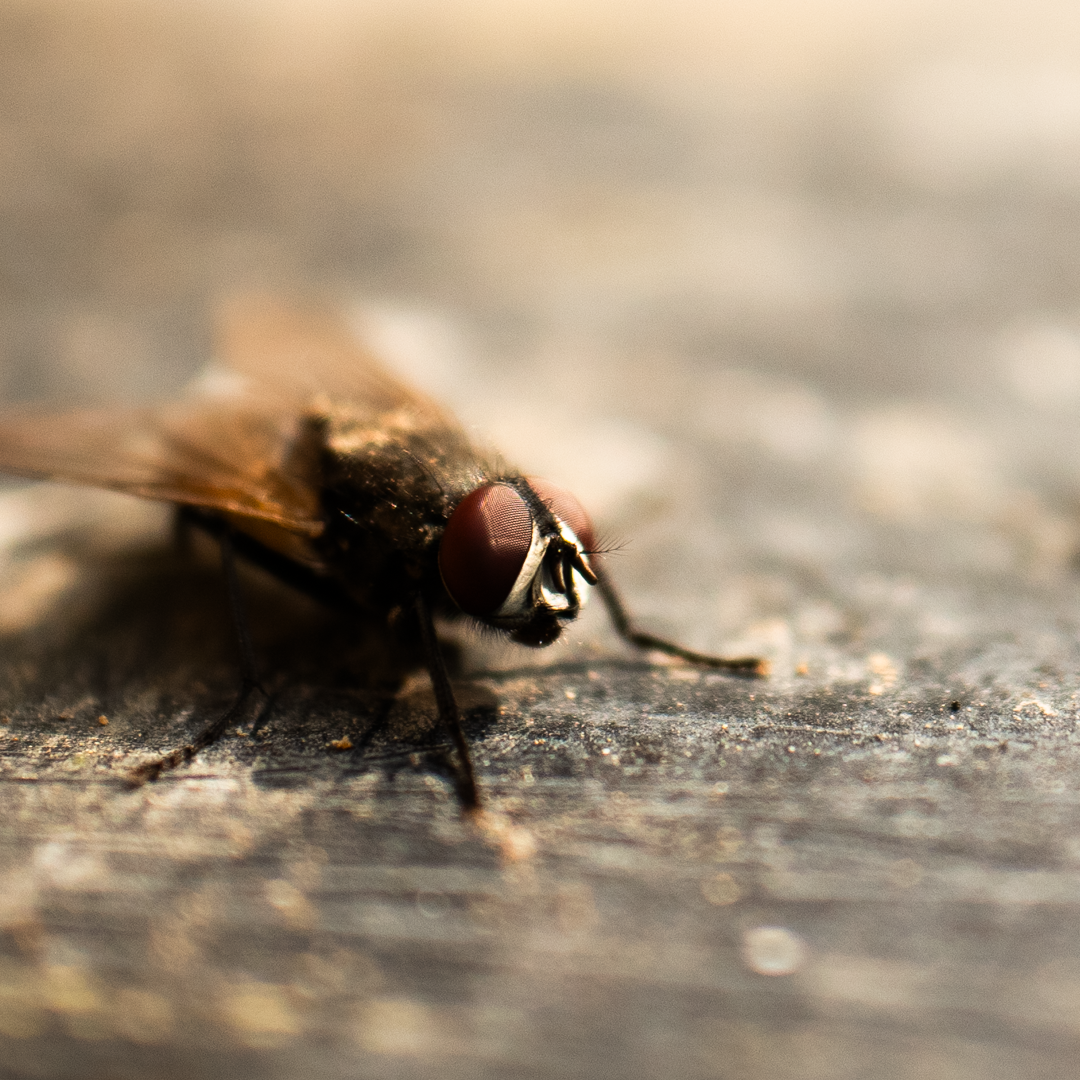
Musca domestica
Common housefly
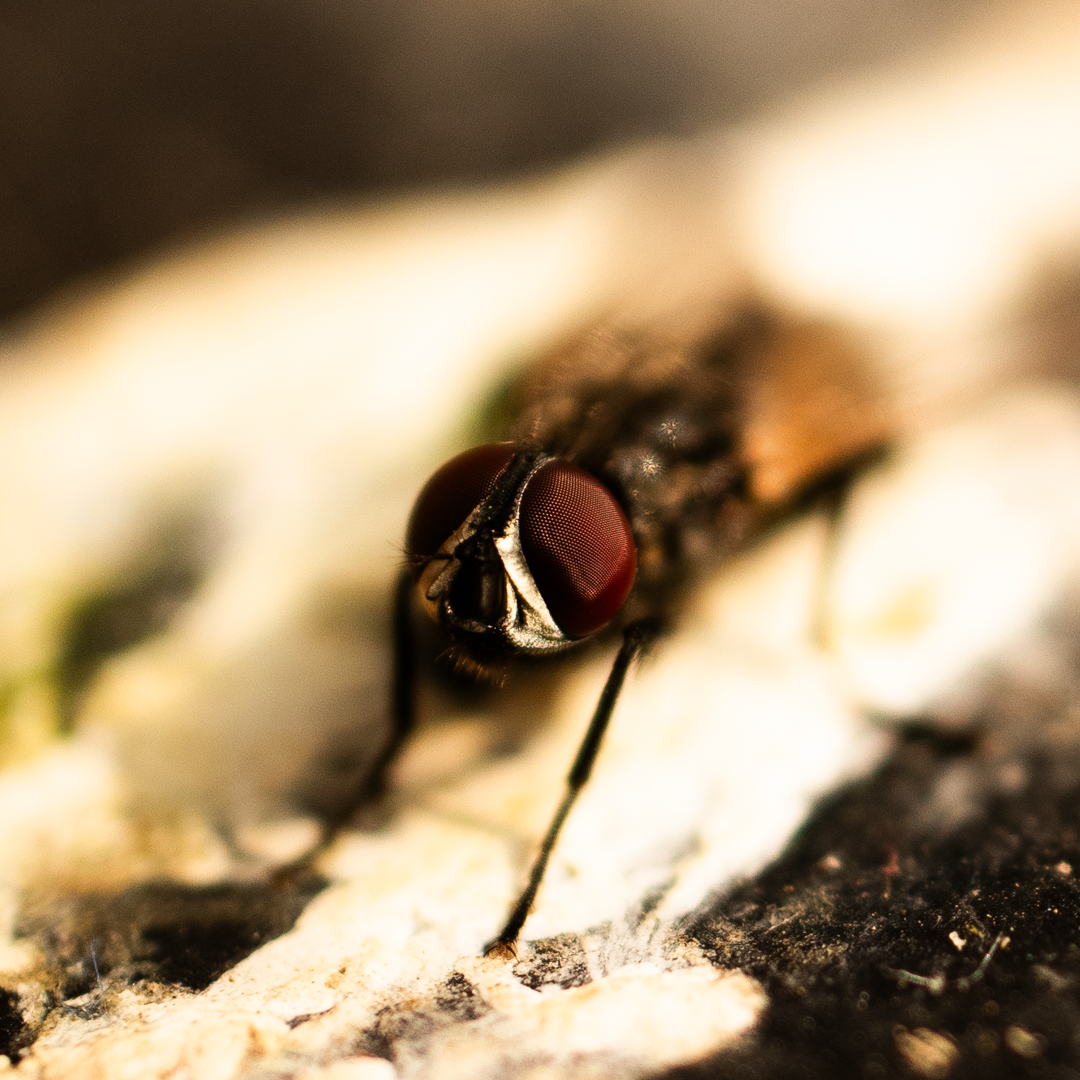
Musca domestica
Common housefly
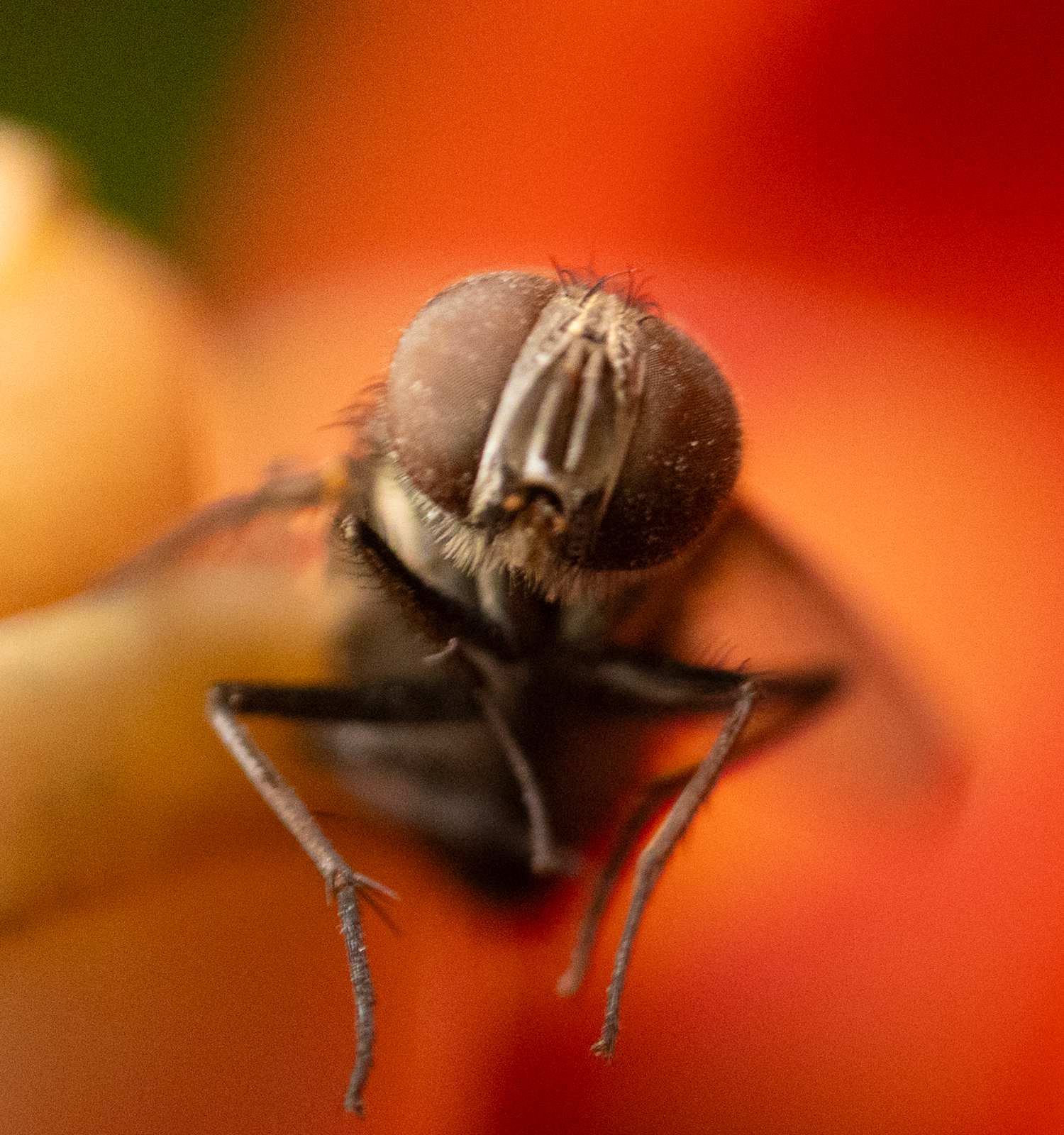
Musca sp2
Found it dead once, and never found it afterwards.
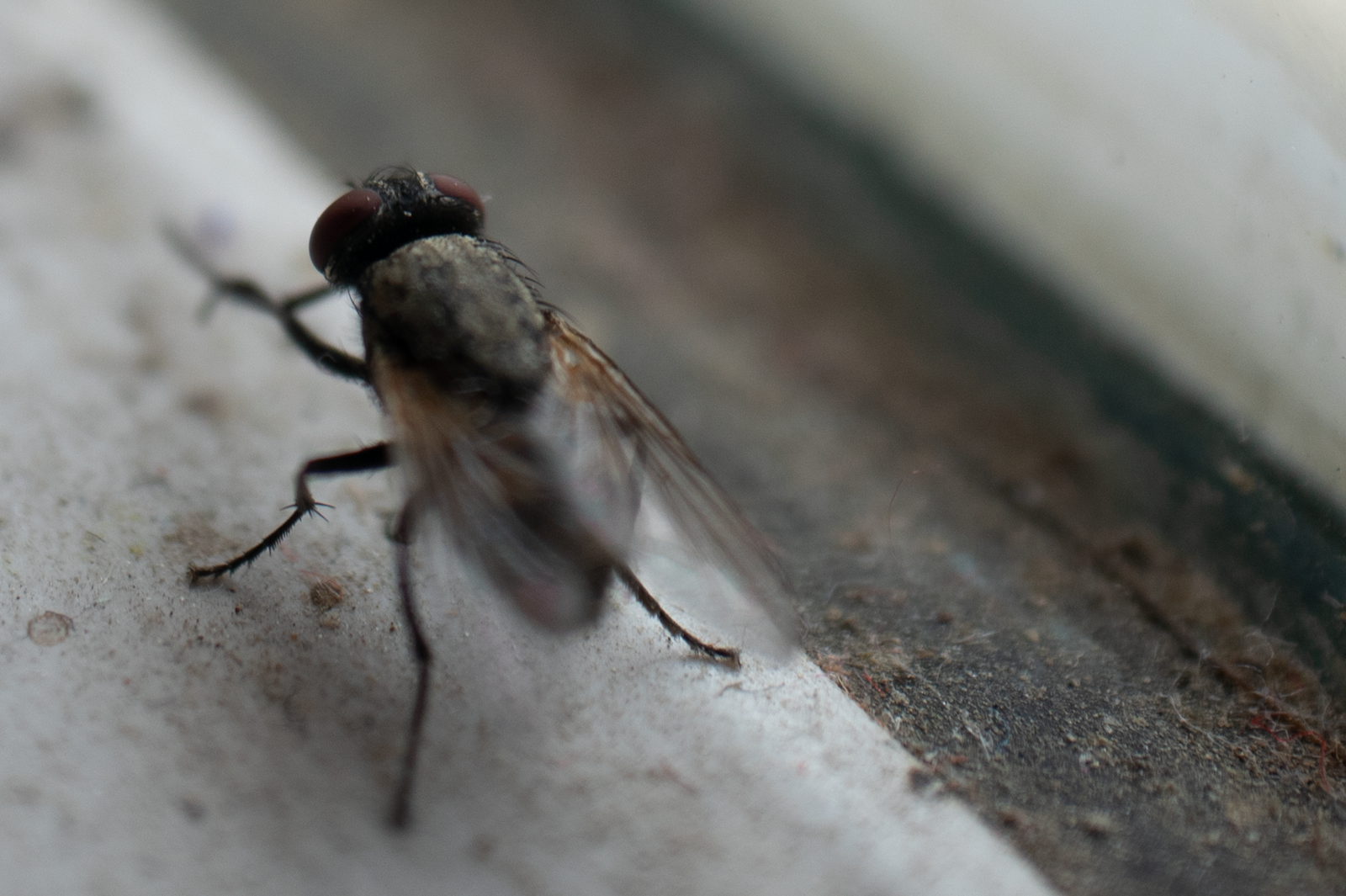
Musca domestica
Common housefly
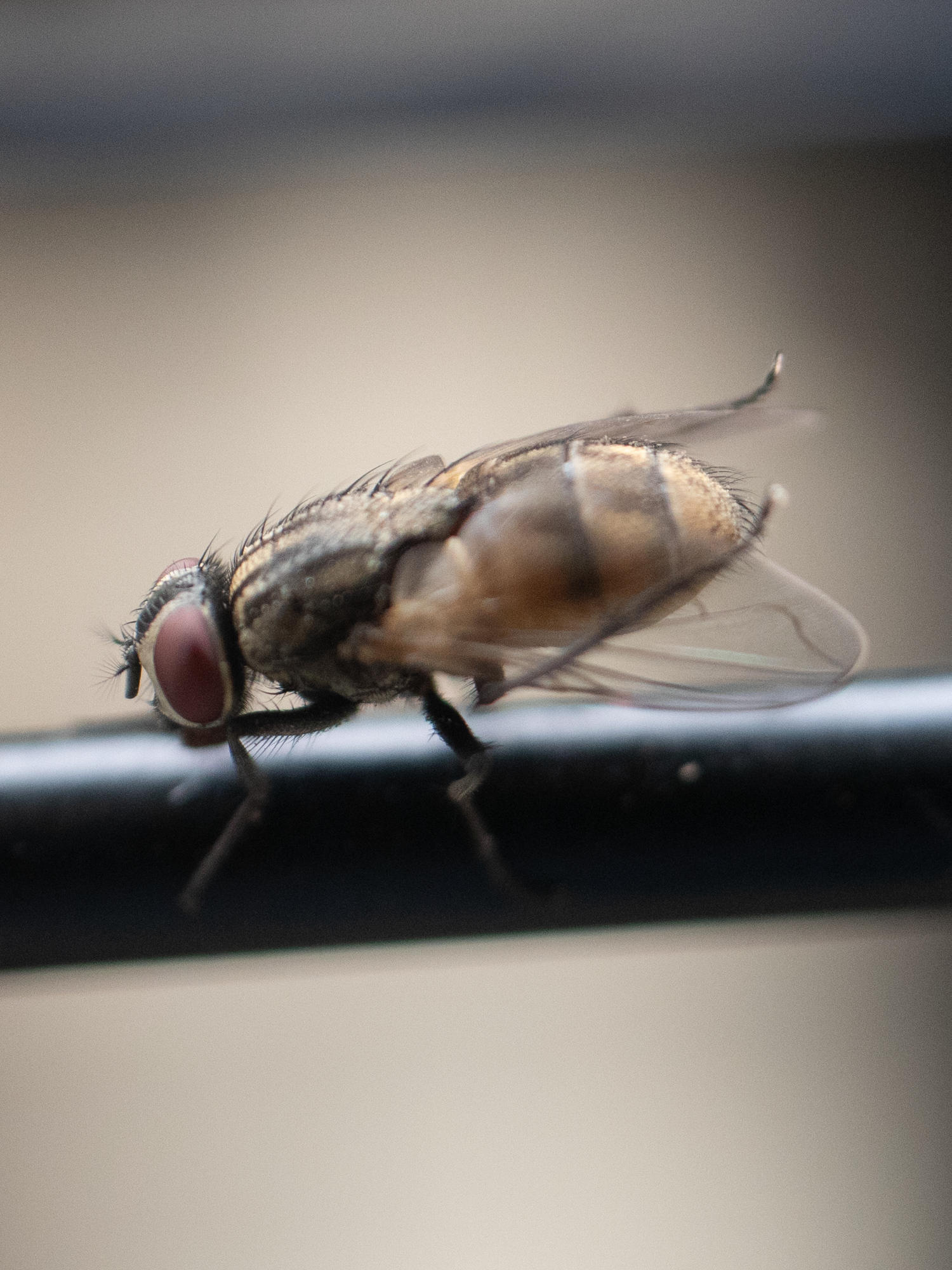
Musca domestica
Common housefly
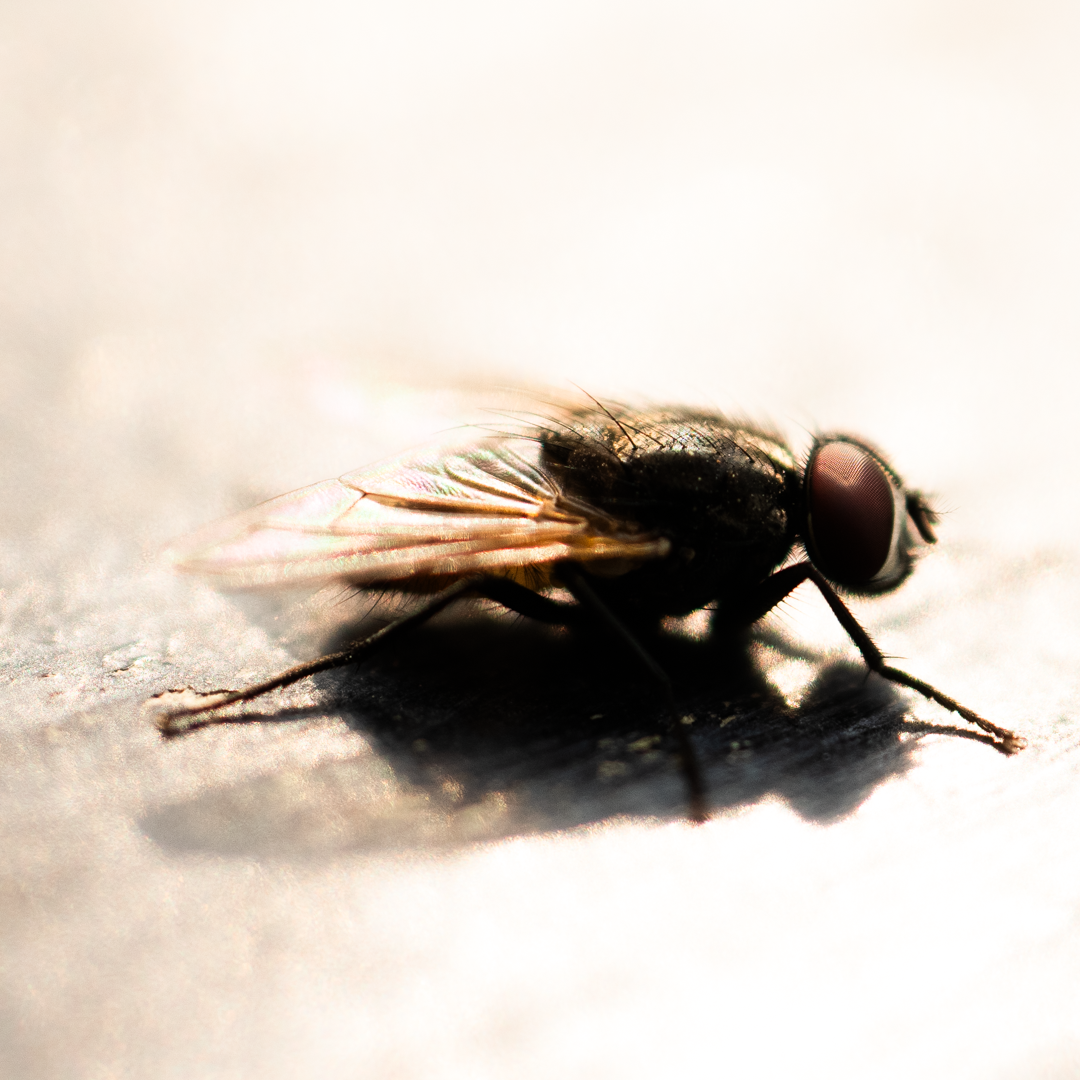
Musca domestica
Common housefly
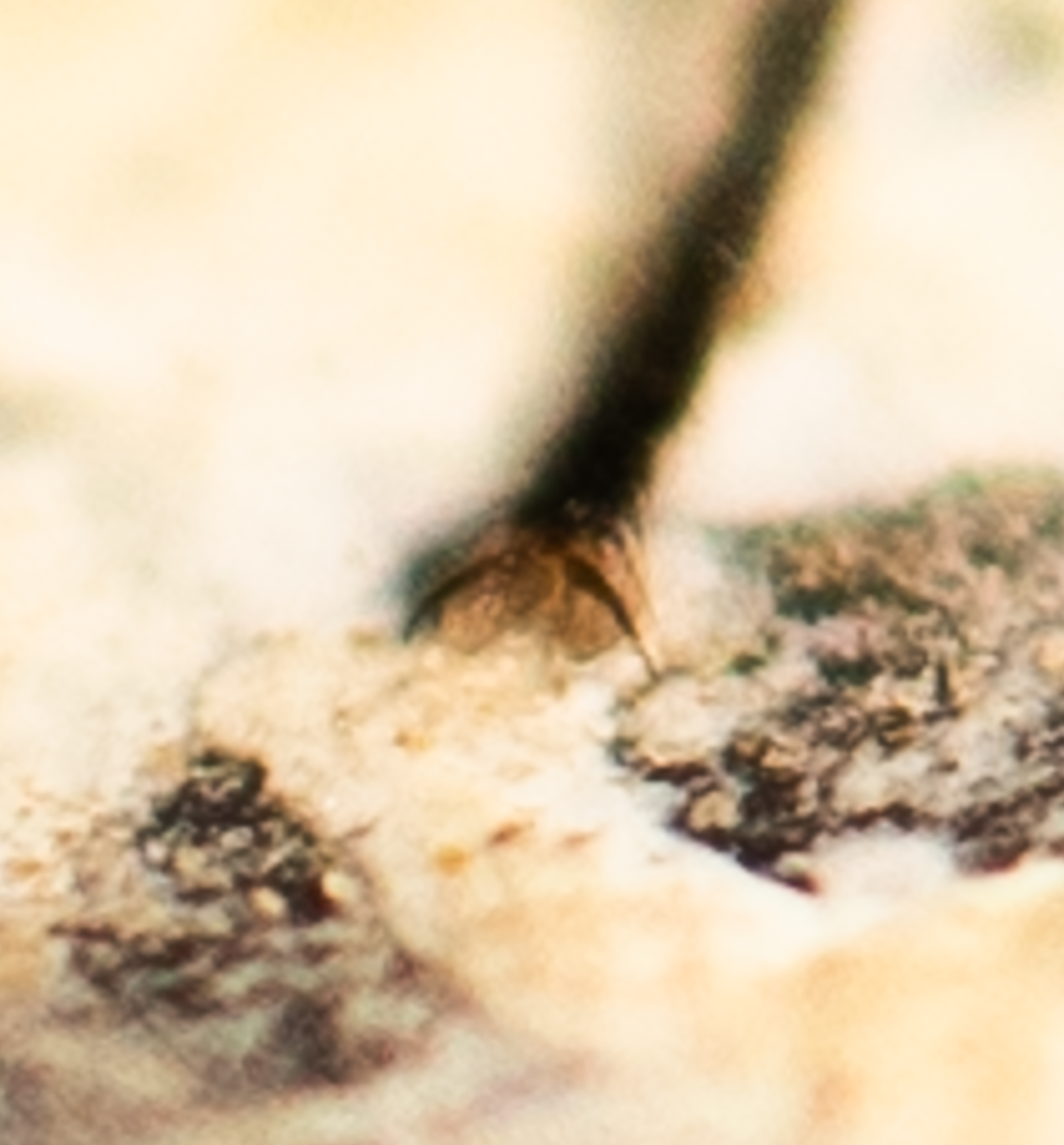
Musca domestica
Common housefly
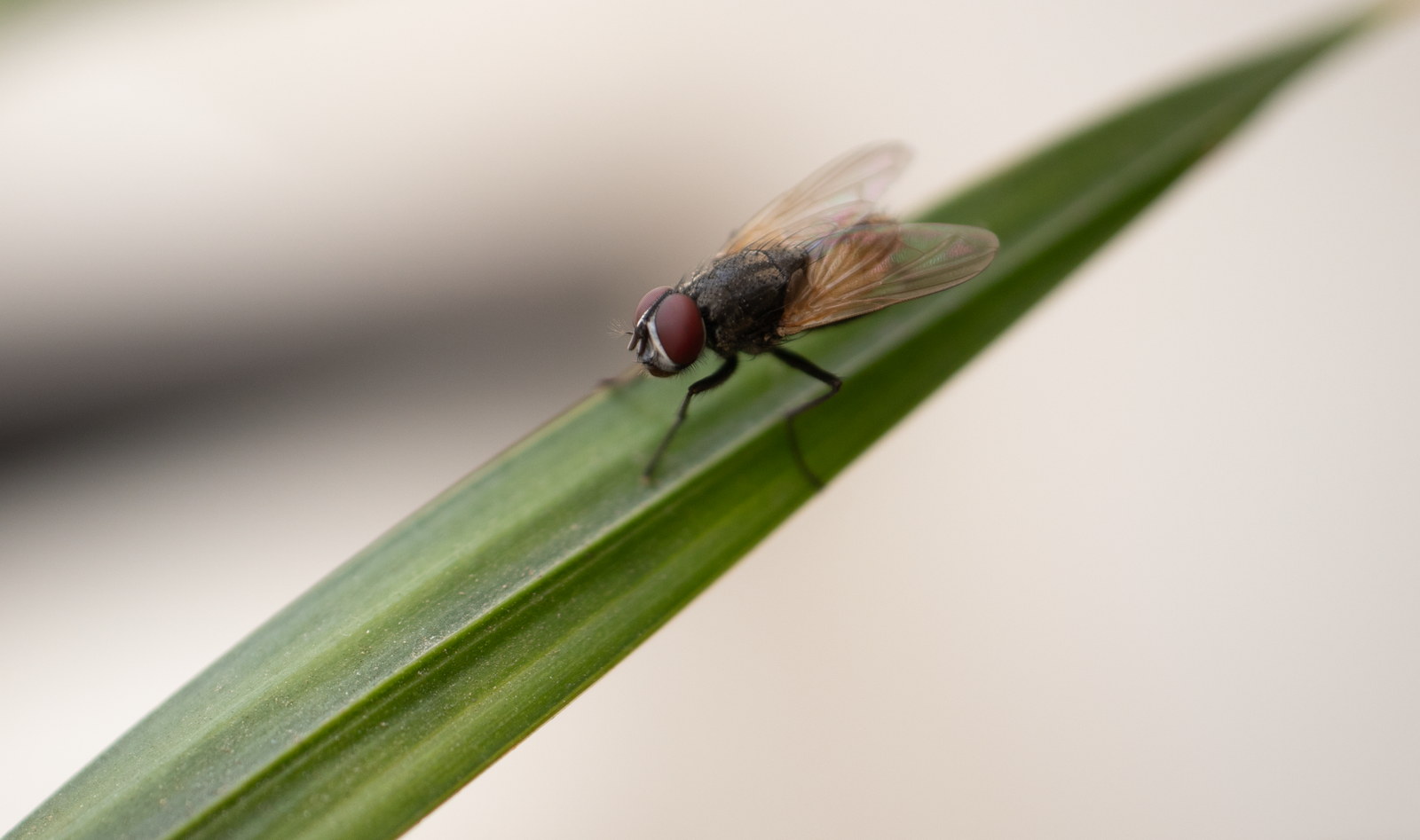
Musca domestica
Common housefly
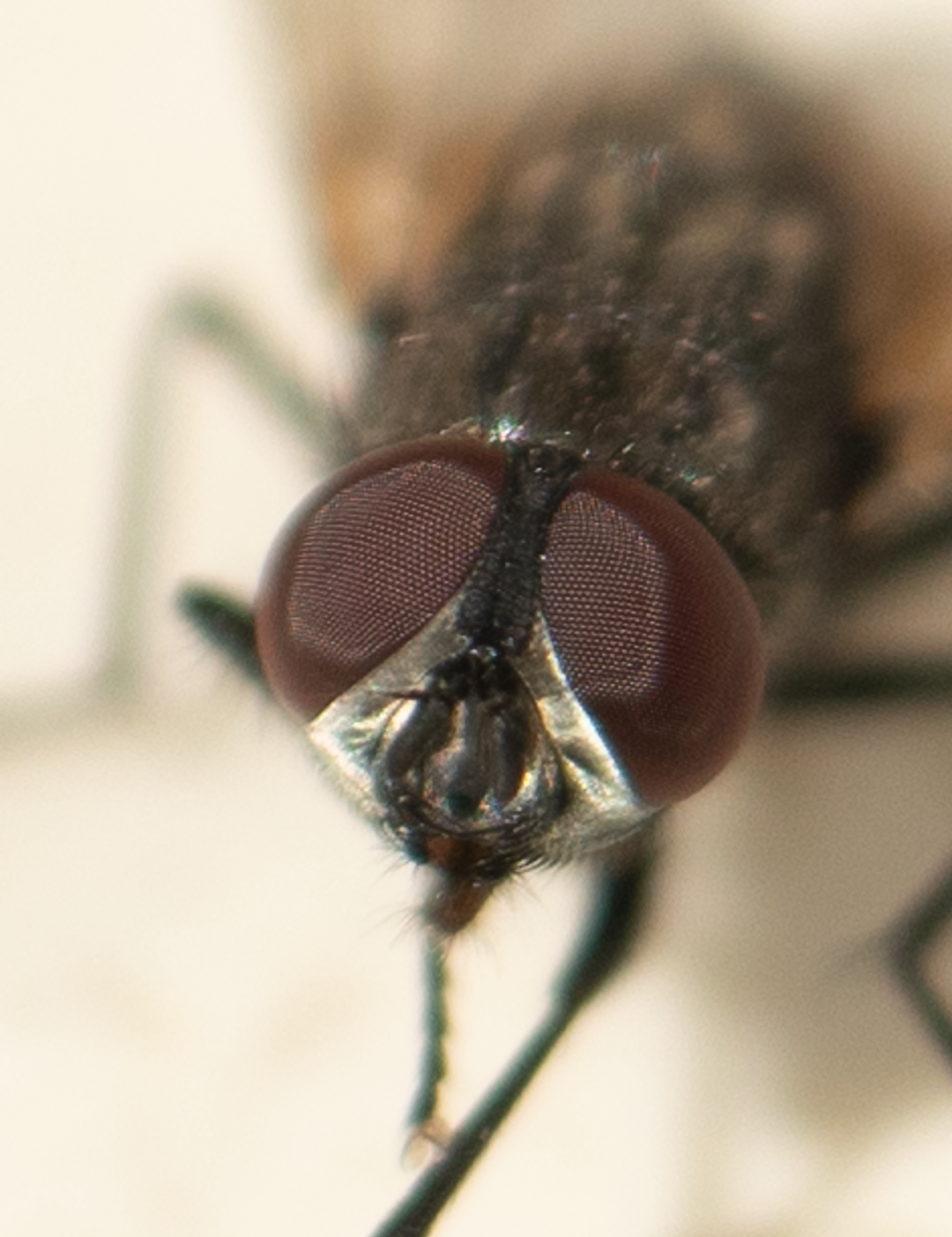
Musca domestica
Common housefly
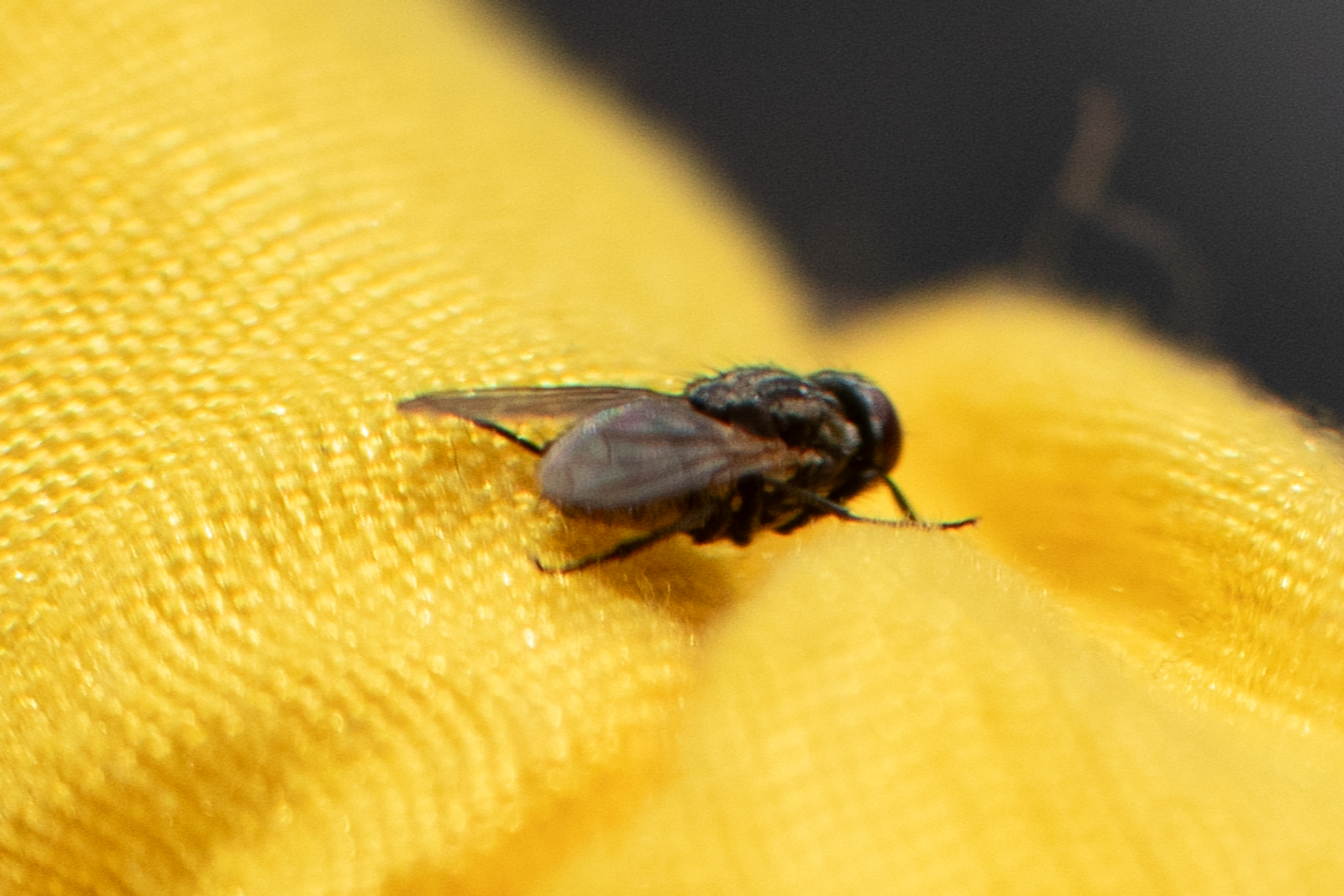
Musca domestica
Common housefly
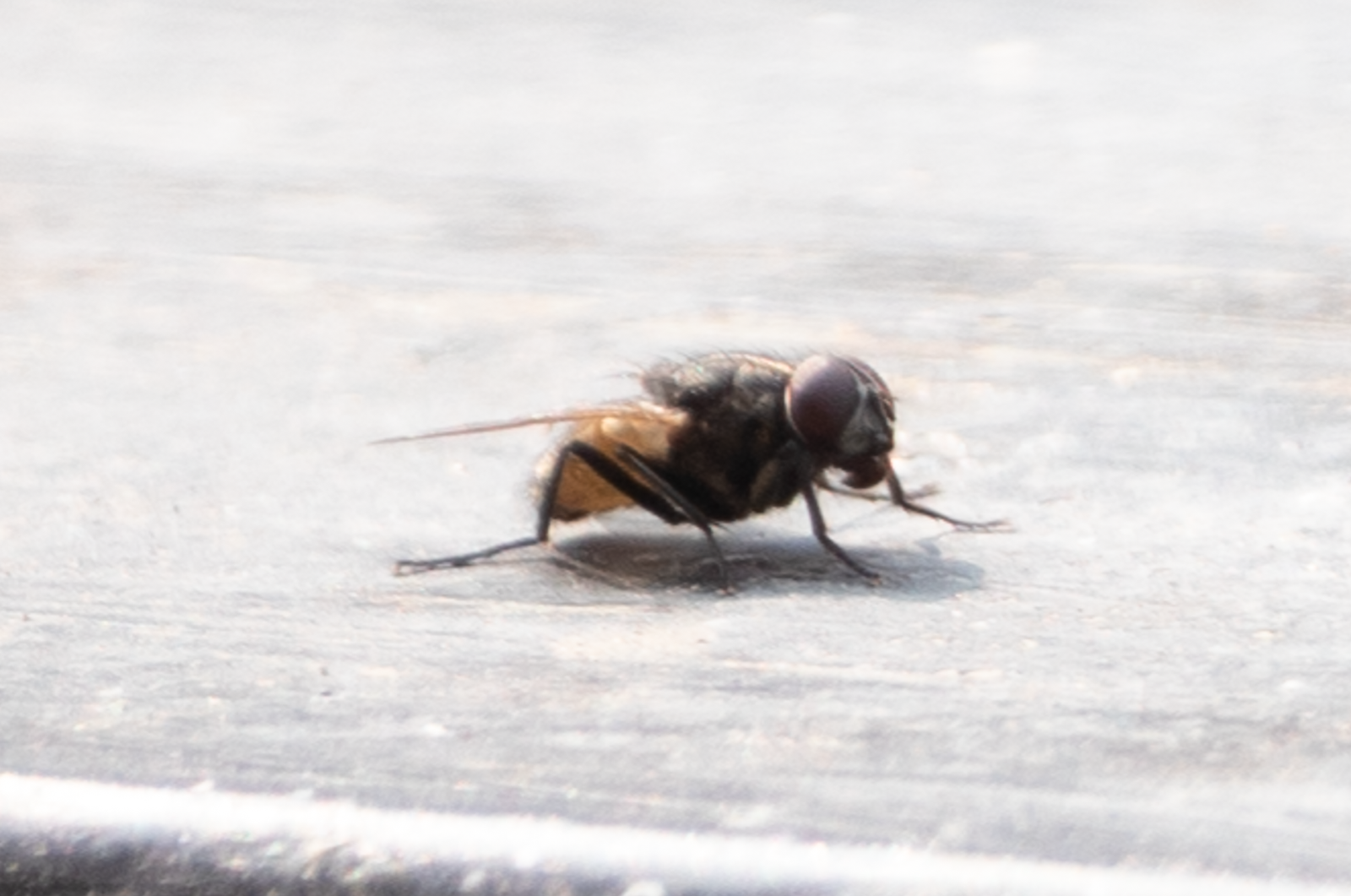
Musca domestica
Common housefly
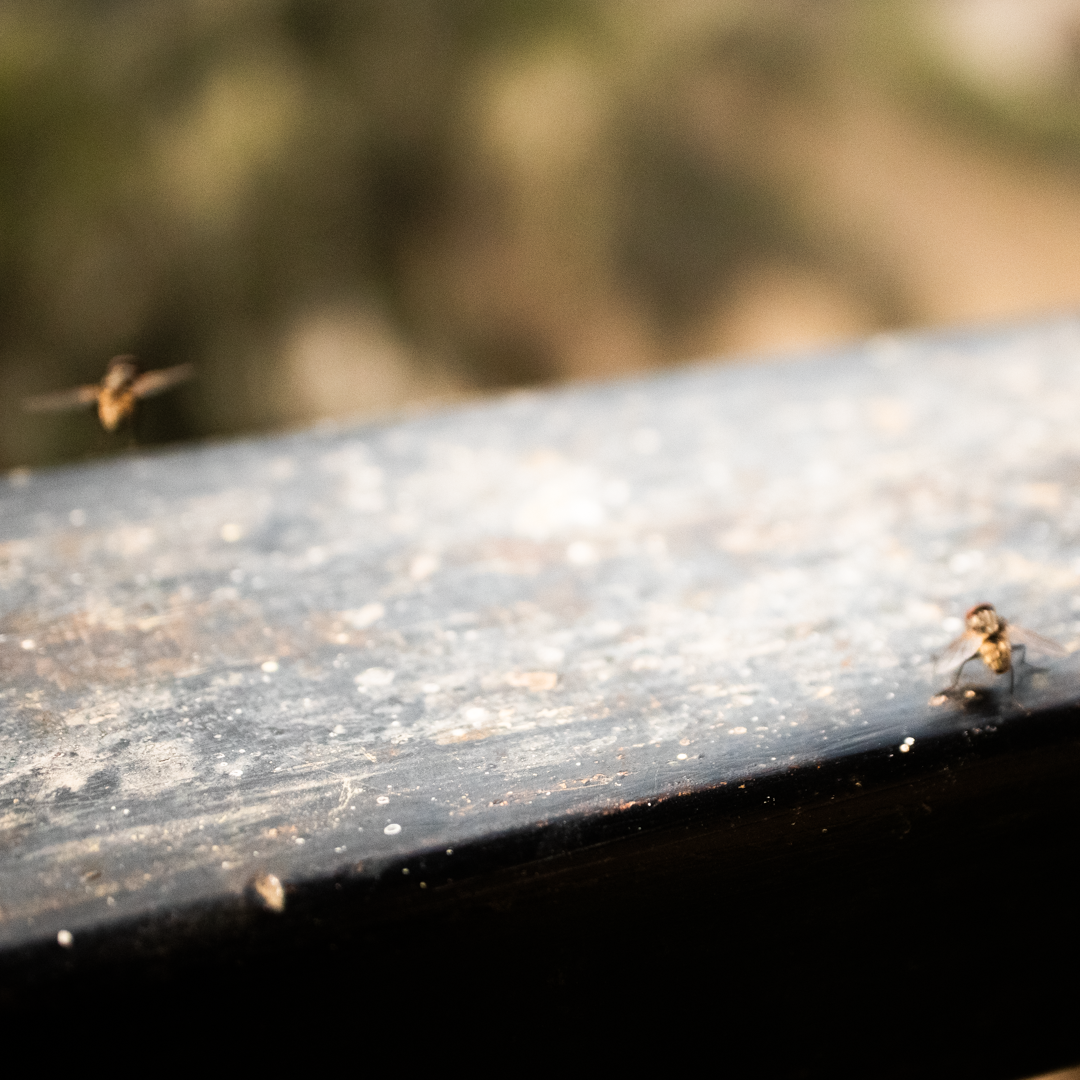
Musca domestica
Common housefly
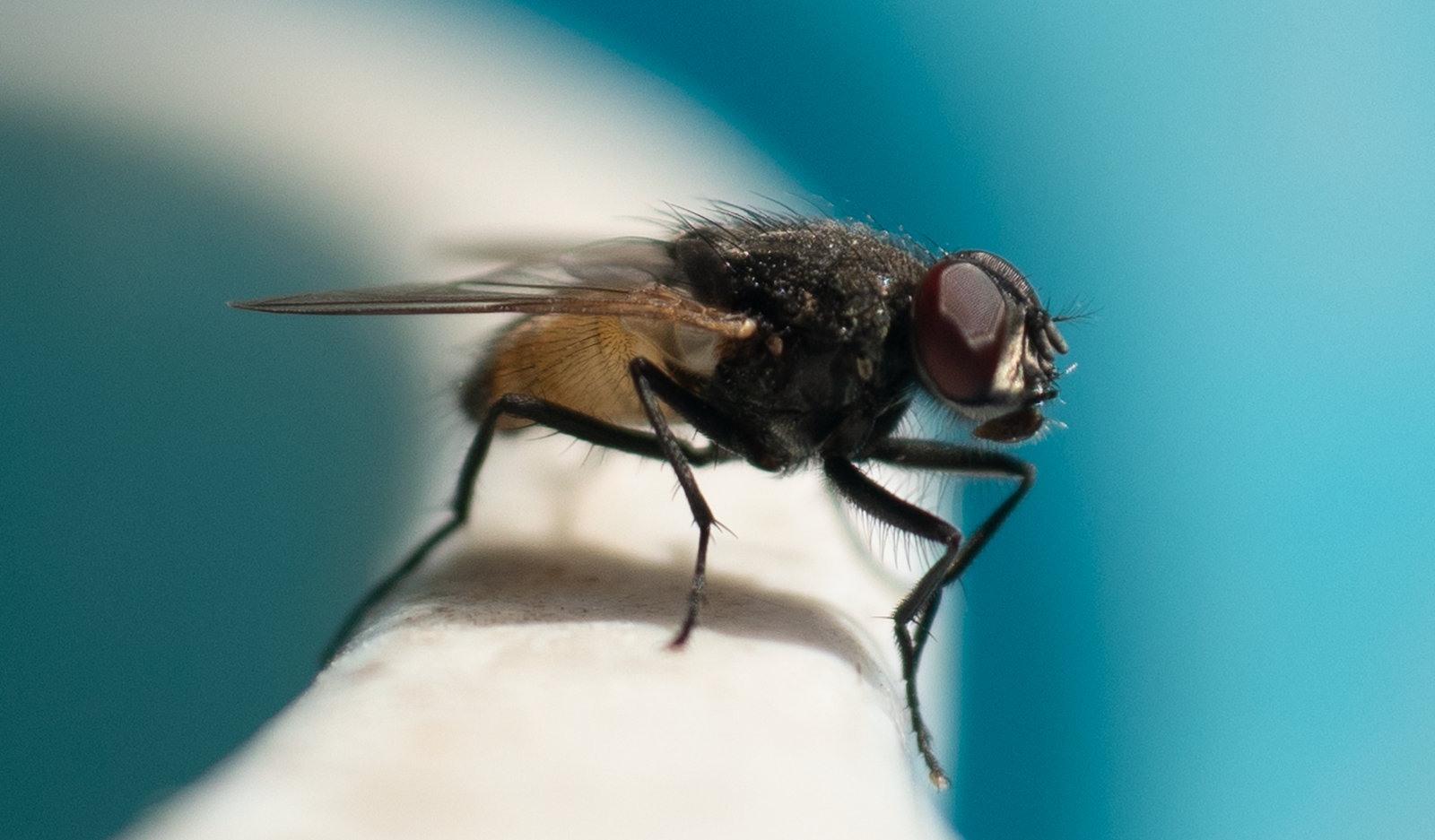
Musca domestica
Common housefly
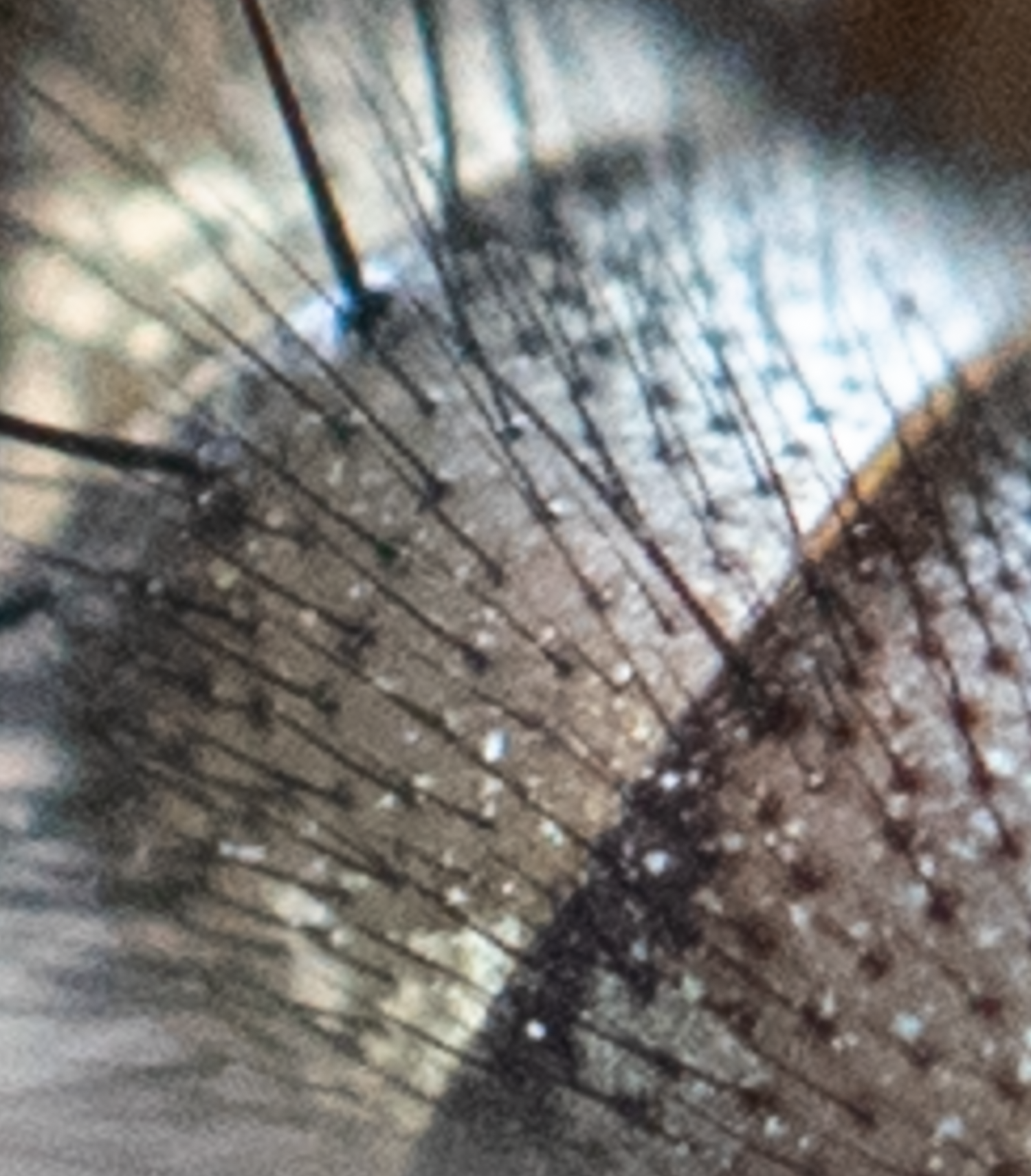
Musca sp2
Found it dead once, and never found it afterwards.
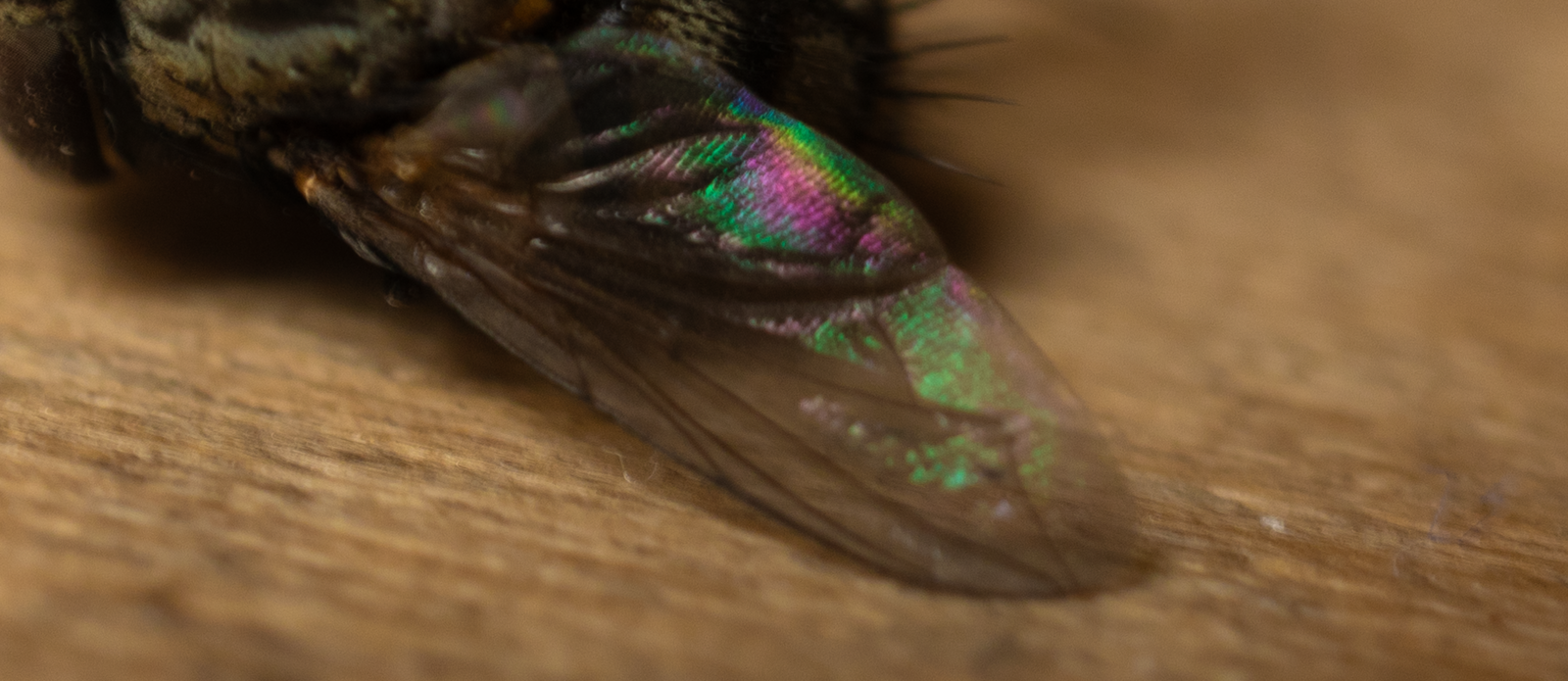
Musca sp2
Found it dead once, and never found it afterwards.
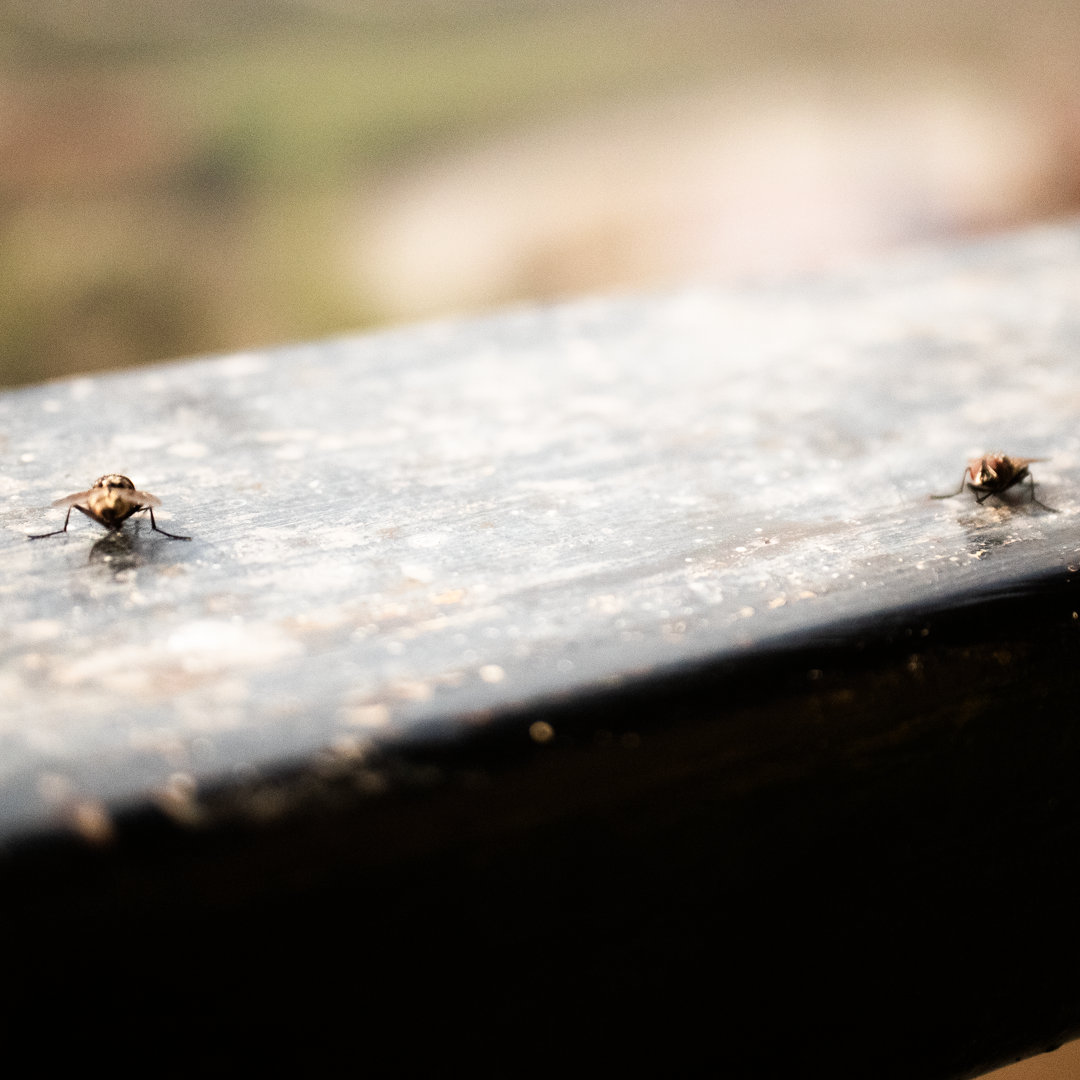
Musca domestica
Common housefly
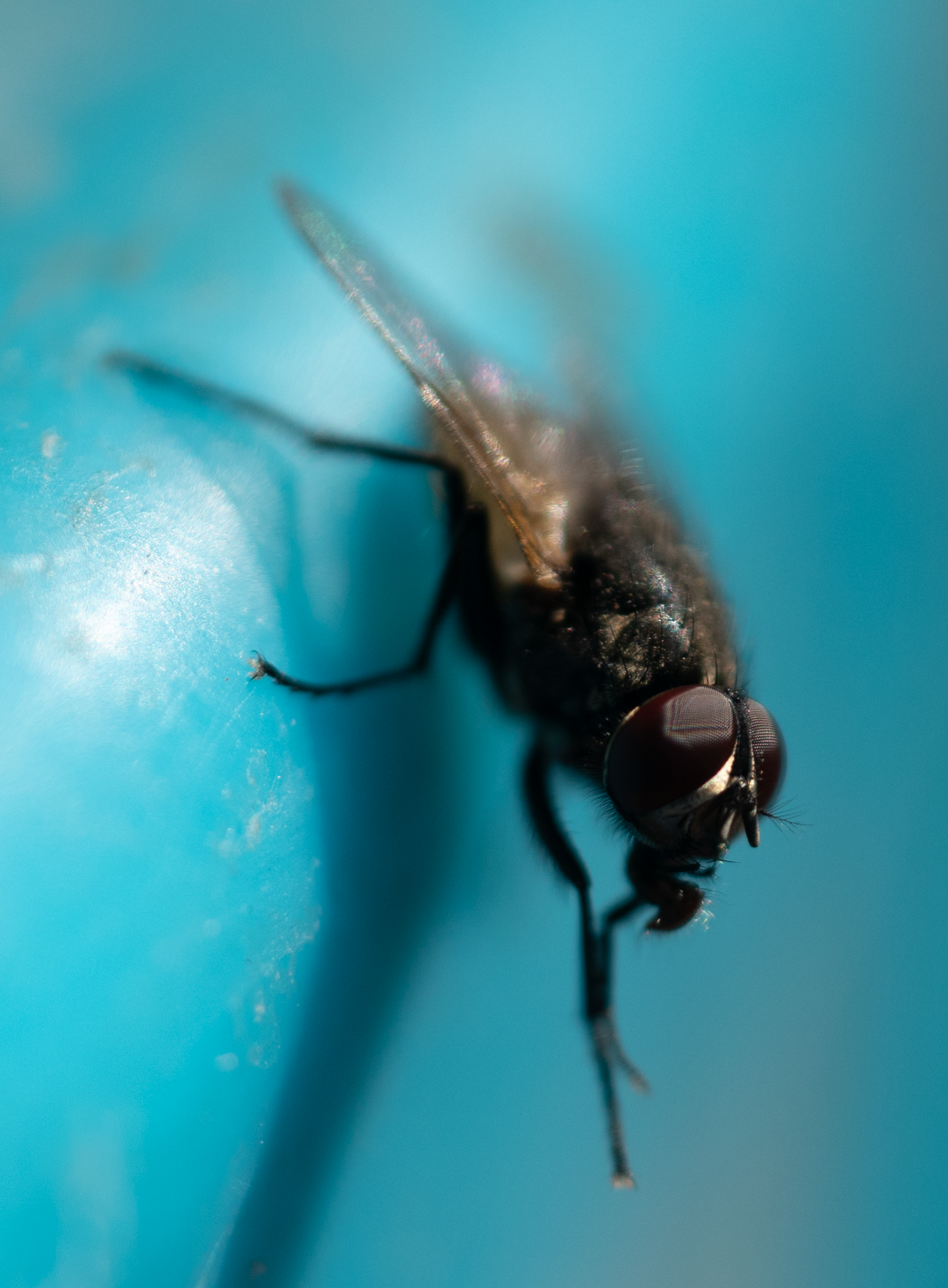
Musca domestica
Common housefly
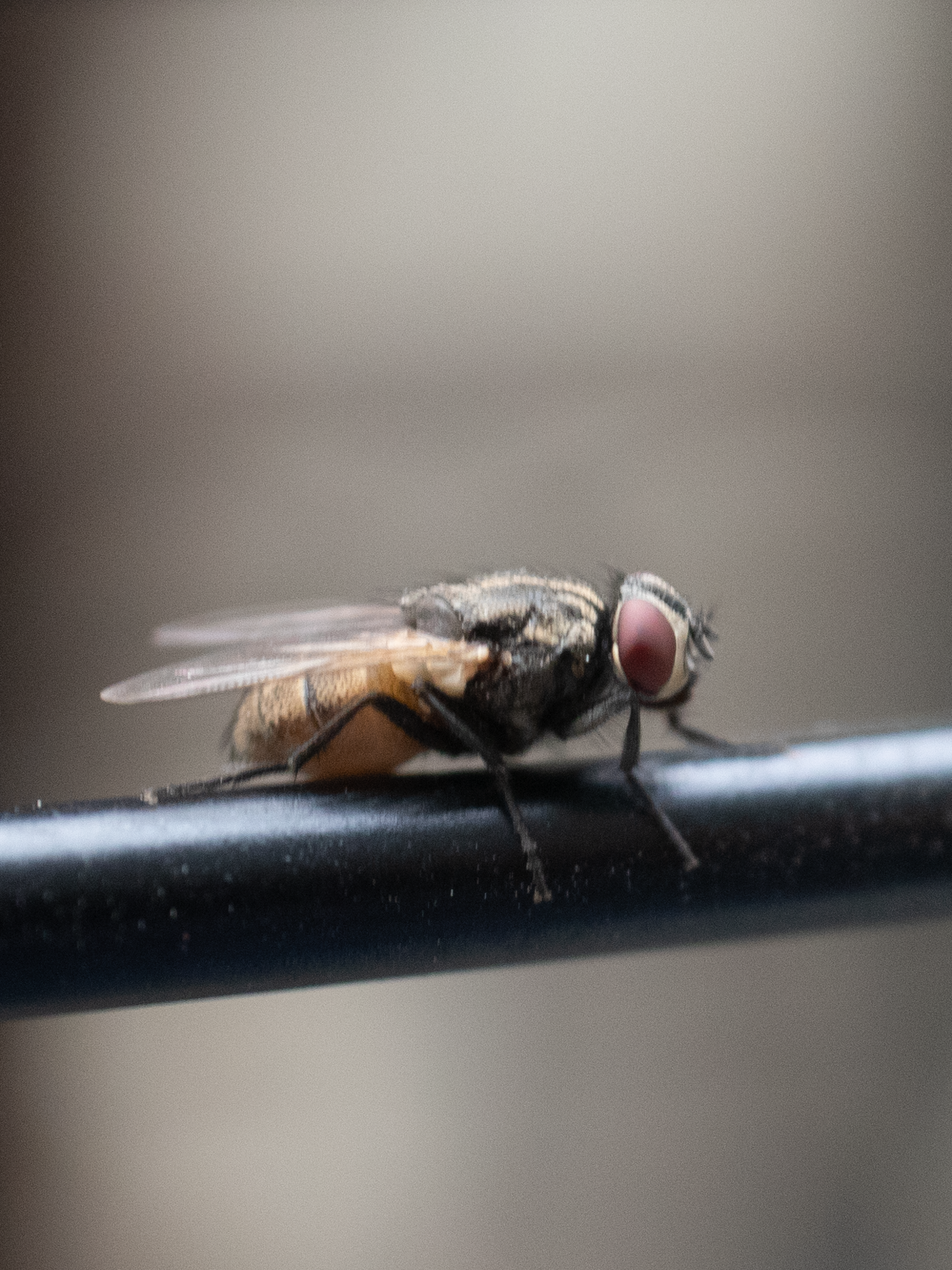
Musca domestica
Common housefly
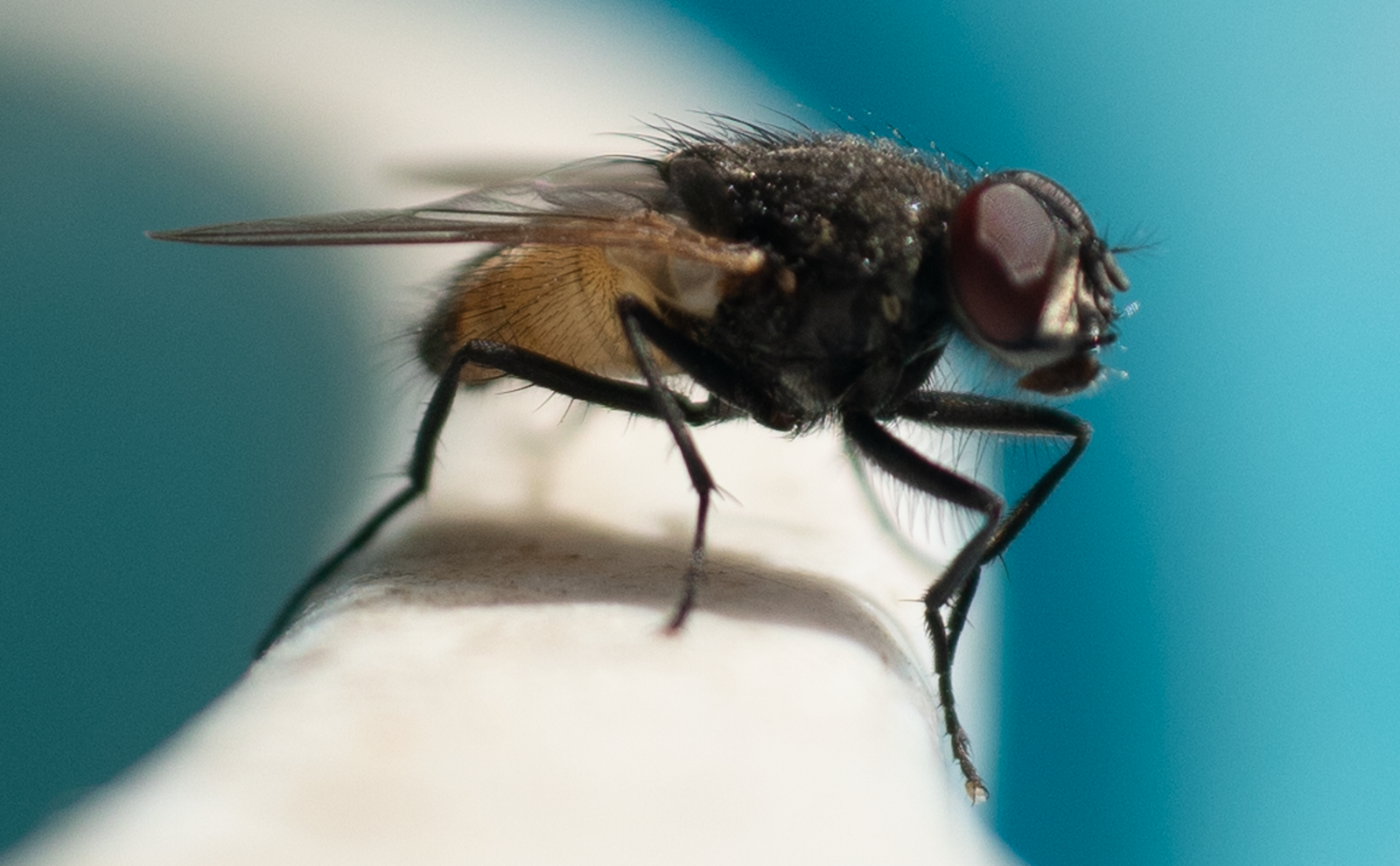
Musca domestica
Common housefly
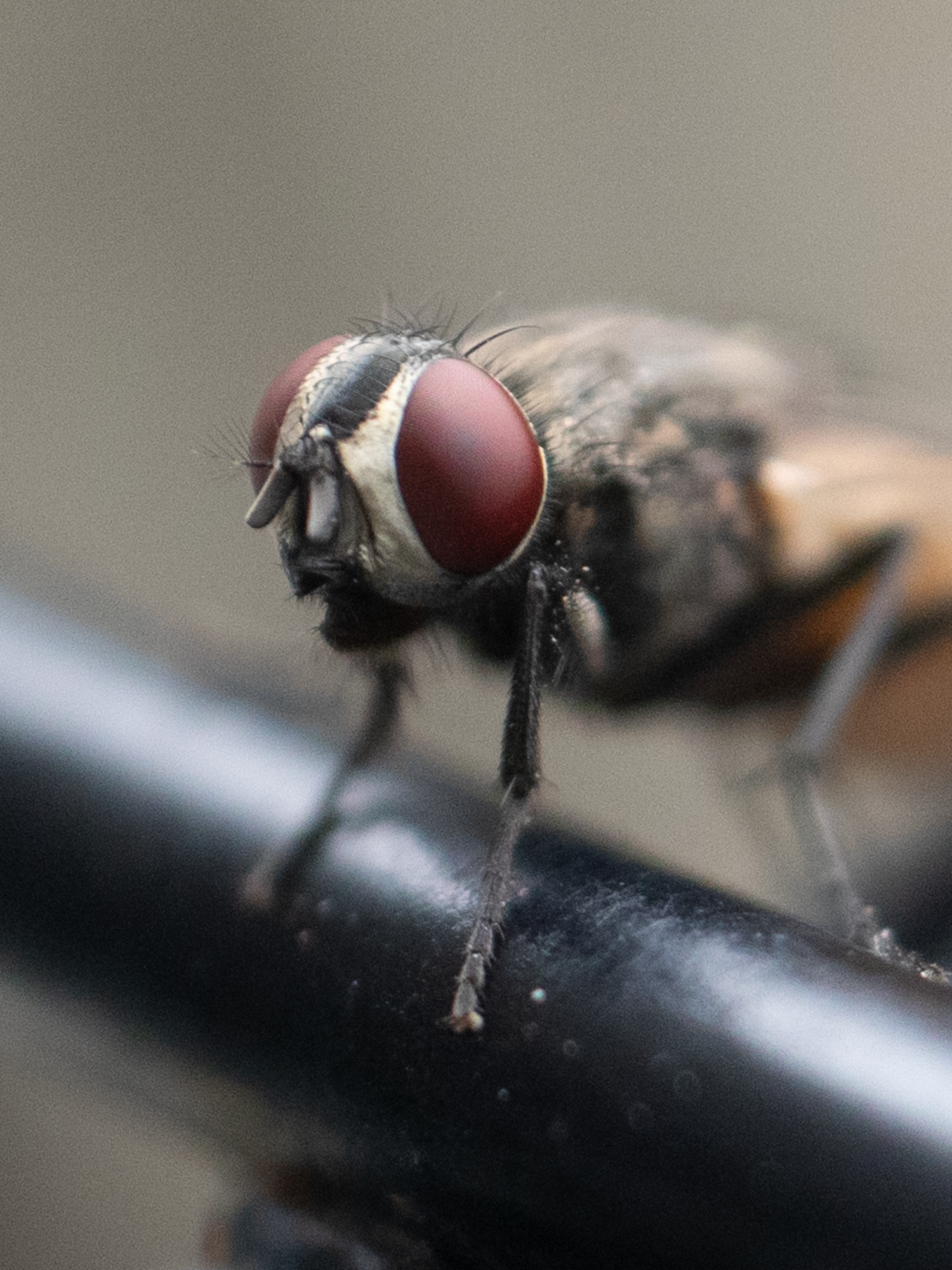
Musca domestica
Common housefly
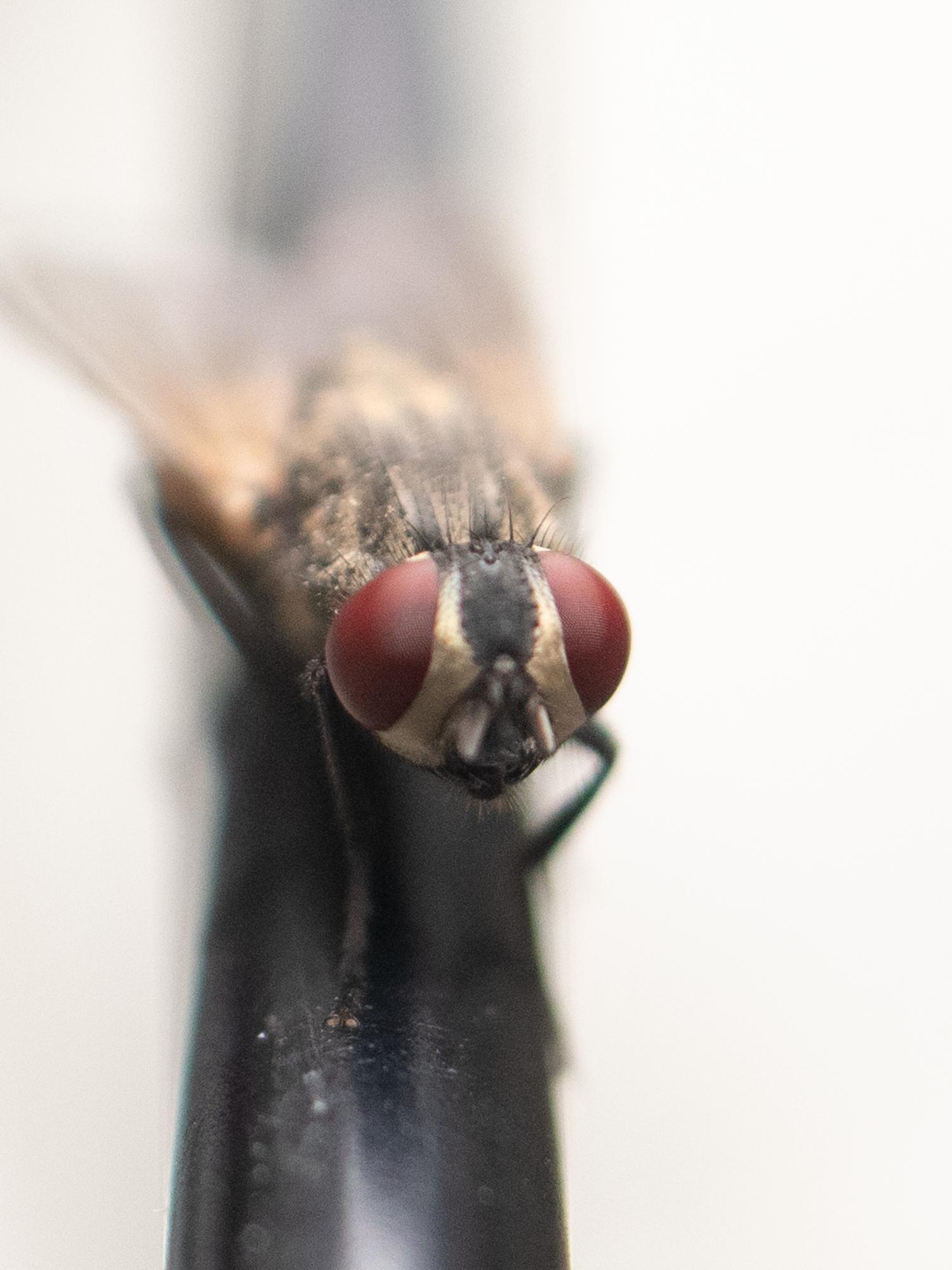
Musca domestica
Common housefly