Before we start...
I would to note here that this article has a simple, 1 minute video at the end, for explaining this same thing. You may see that instead.
How to read a key?
I do think that by reading the excerpt, you would have understood what is the purpose of the key, so I will give an example of a key:
Key to Sogatella species known to occur in India:
1 Dark marking in apical third of forewings … Sogatella kolophon
– No dark marking in apical third of forewings … 2
2 Head, pronotum (frontmost segment of thorax), and mesonotum medially whitish, the remaining part of the mesonotum contrasting brown … Sogatella furcifera
– Head, pronotum, and mesonotum orange, the first and second being paler, pronotum and mesonotum medially more or less white, not contrasting … Sogatella vibix
So what is this? This is the key to a kind of delphacid planthopper. It basically says that you can choose any option starting with the first couplet (pair of options) –
1 Dark marking in apical third of forewings… Sogatella kolophon
– No dark marking in apical third of forewings … 2
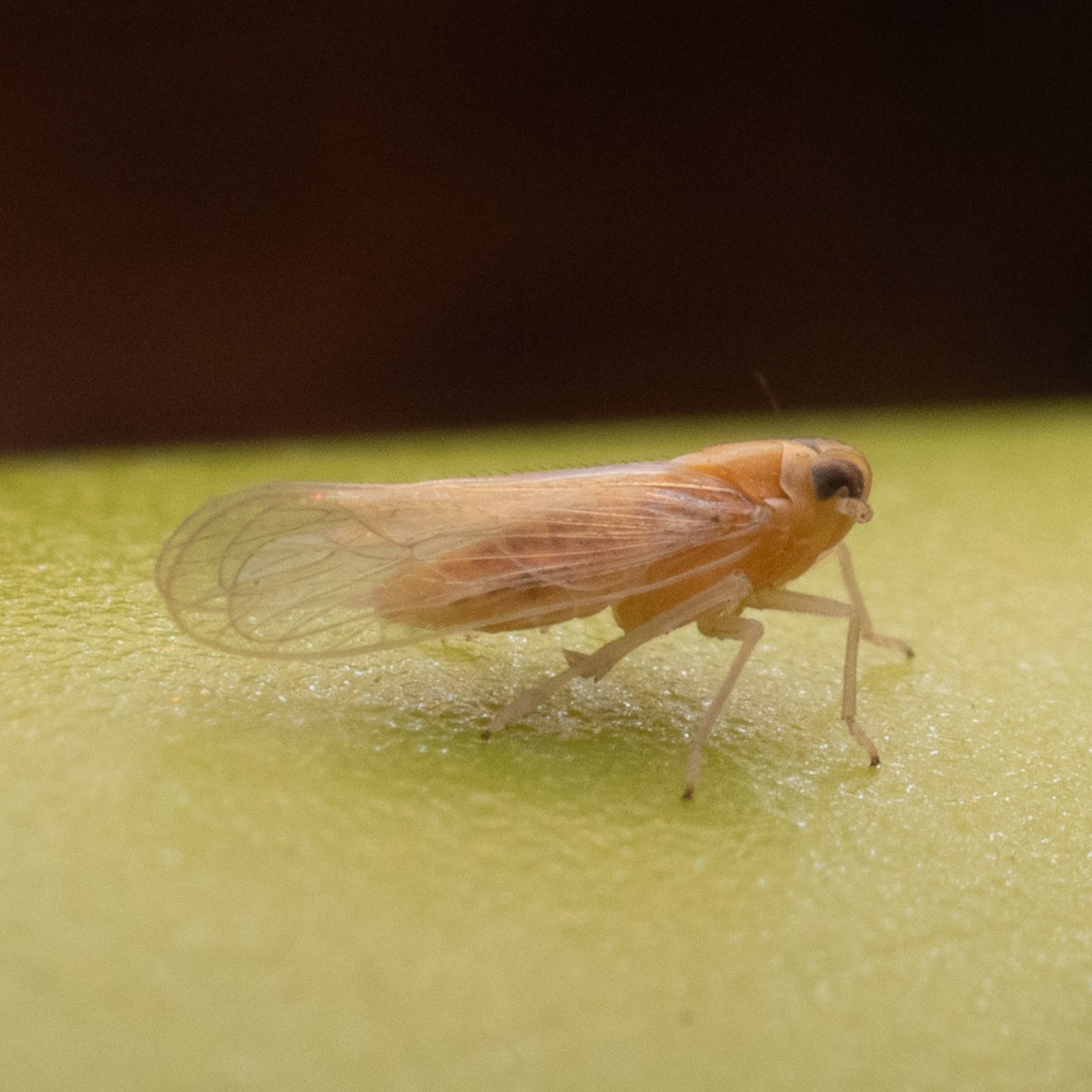
It says that either there is a) a dark marking in the apical third of the forewing or b) No marking on the apical third of forewings. If condition a (“1” in the key) matches, it is Sogatella kolophon (see key), and if the opposing condition b (“-” in the key) fits the current example, then we will see couplet 2 (redirection). You can continue on the second couplet as in couplet 1. Now here is one example – which species of sogatella are they? Write in the comments, in the order of the pictures.
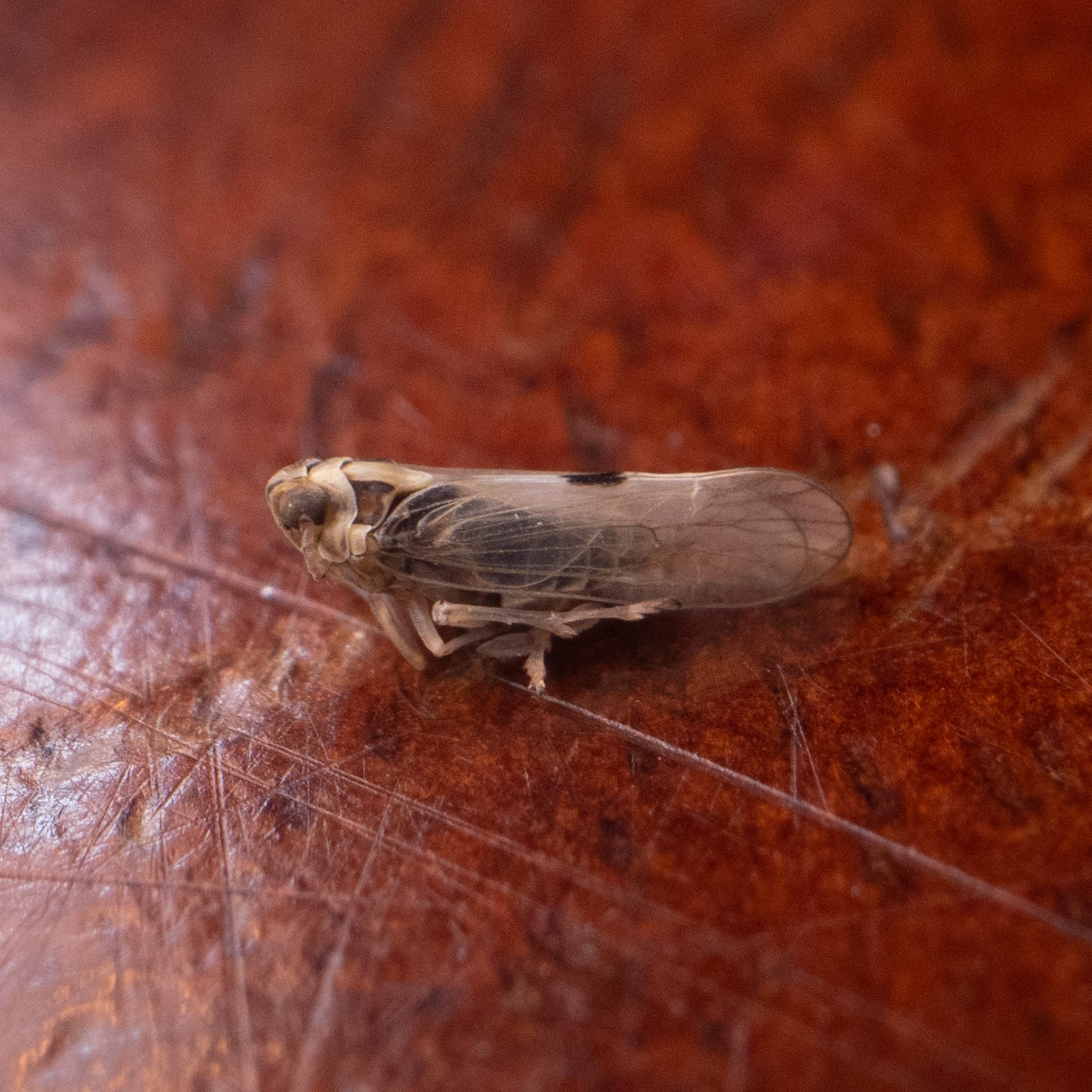
Species 1
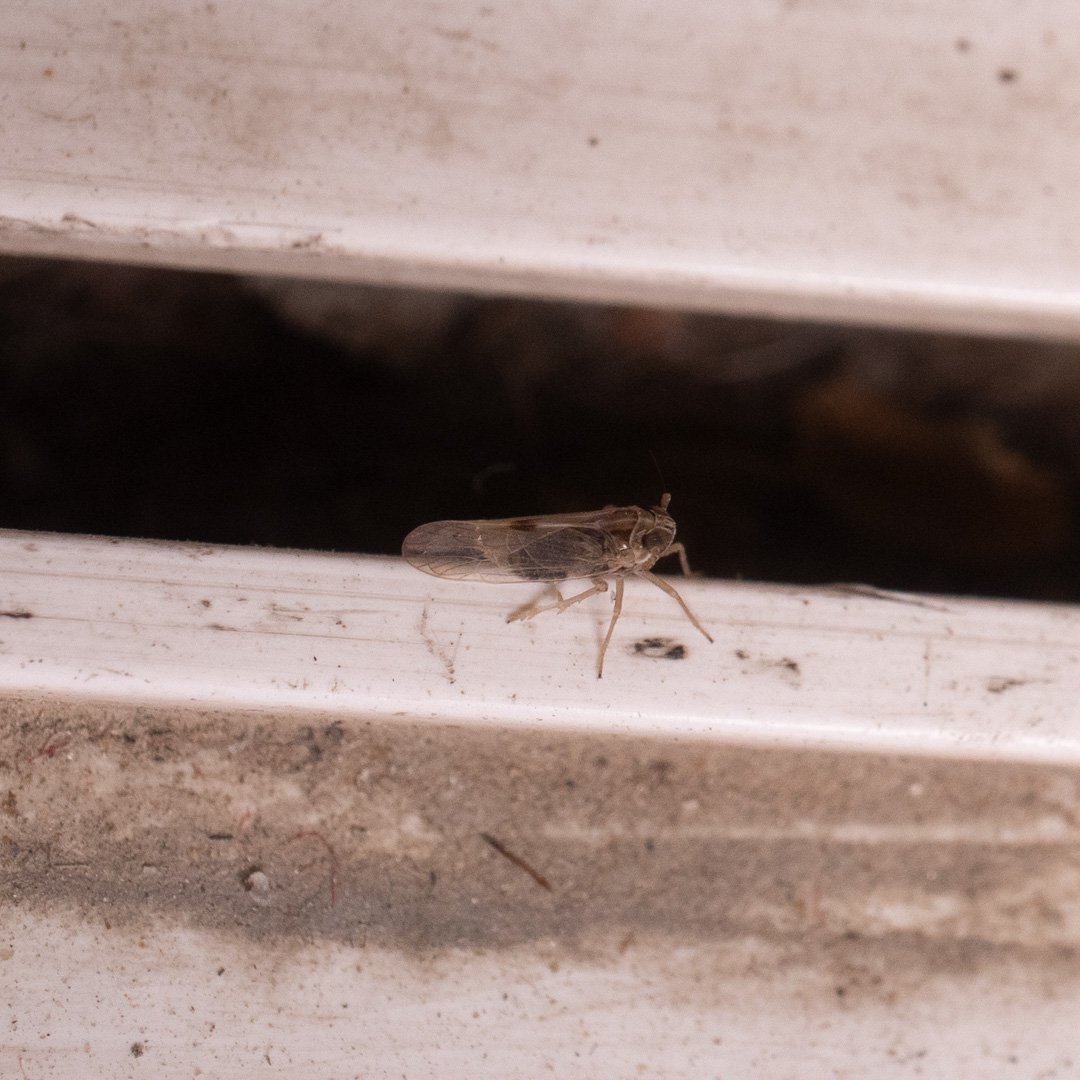
Species 2