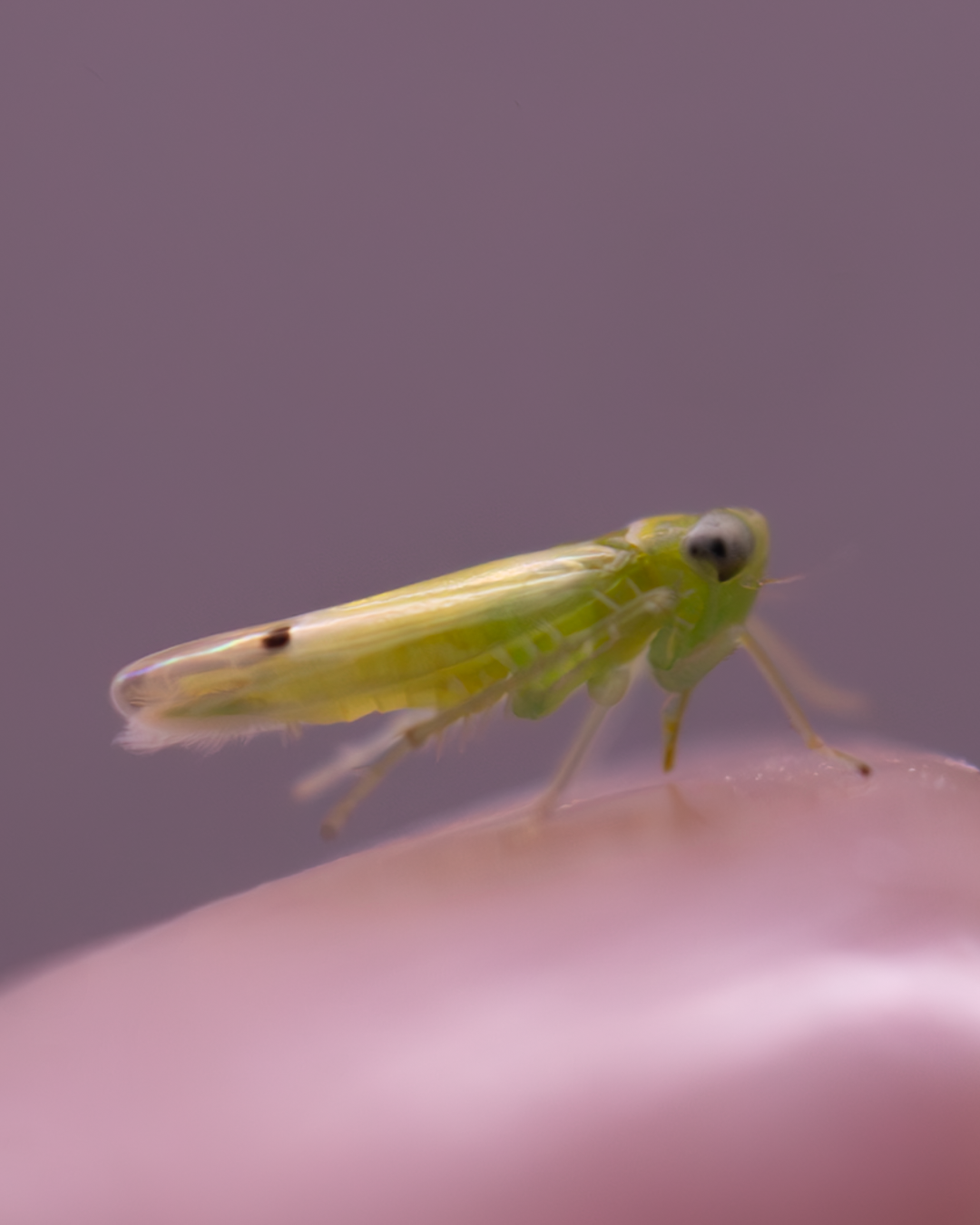
Exitianus nanus, a species of leafhopper I have never seen before | Photo is my own

Monsoon Series Week 1: A New Adventure at the light begins!
Monsoon in India is welcomed by the numerous insects who visit the light at night. This is a mesmerising catalogue to highlight the importance of further exploration in my country, India and for general awareness about insects.

Monsoon, the wet season, is to me the most exiting, because of the numerous insects at the light at night. This is part of a large catalogue of the insects at the light during monsoon, to represent how unexplored my country, India, indeed is, and how much remains to be discovered. It is made with the aim to encourage further exploration in India.

Please note that every comment is worth it, please tell what you think. If you have seen any of the insects pictured here, please comment with the location, and before commenting make sure that what you have seen is really the same and most insects are extremely similar. Where ever I am aware of the species I try to give identification tips to prevent confusion with relatives but sadly I am not aware about the the true identity of several of these insects that I have photographed and identifications are very welcome. If you know the identity of any species I couldn’t identify, please tell. All feedback is useful.

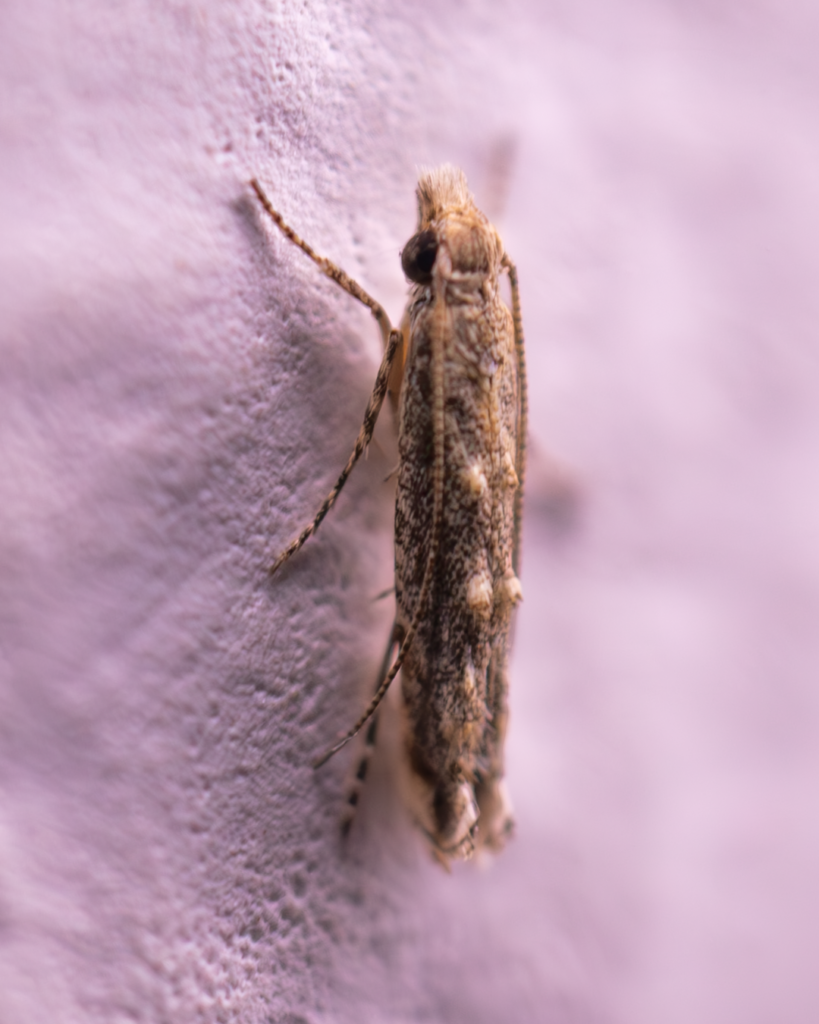
So let’s start with when the first insect arrived, last Saturday, when a tiny, about 1cm, moth appeared, and it was stunningly beautiful, so have a look –

This one is really baffling to me – I have never seen any moth even close to it with its banded legs, white ornaments on the wings and its strange looking head. The overall look is stunning, and mostly reminds me about tineidae but the head is reminiscent of the snowed species of the Pyraloidea superfamily, especially those of the family Crambidae, which I have seen previously, but remember, this is only the first week and just because I have not found a Crambidae species yet, doesn’t mean that I may not spot one later during the monsoon. Anyways, it was just very cute.


There was also a leafhopper of the species Exitianus indicus. It was about half a centimetre. By the way, it’s common based on my past experiences. I failed to photograph it, but it was cute. I have photographed it later, the photos are within the article. I have given some interesting facts about it too.

Come Sunday, I were expecting some more insects – But unfortunately, they were no insects

The coming day, I spotted these two little (leaf)hoppers

The first one was an amrasca, a green species with 2 black spots on its wings, typical of the genus, but strangely, with the wings brownish apically. Have a look –

Amrasca sp.-1

Amrasca sp.

An Amrasca species I refer to as "Amrasca apicibrunnea" due to the apically pale brown wings.
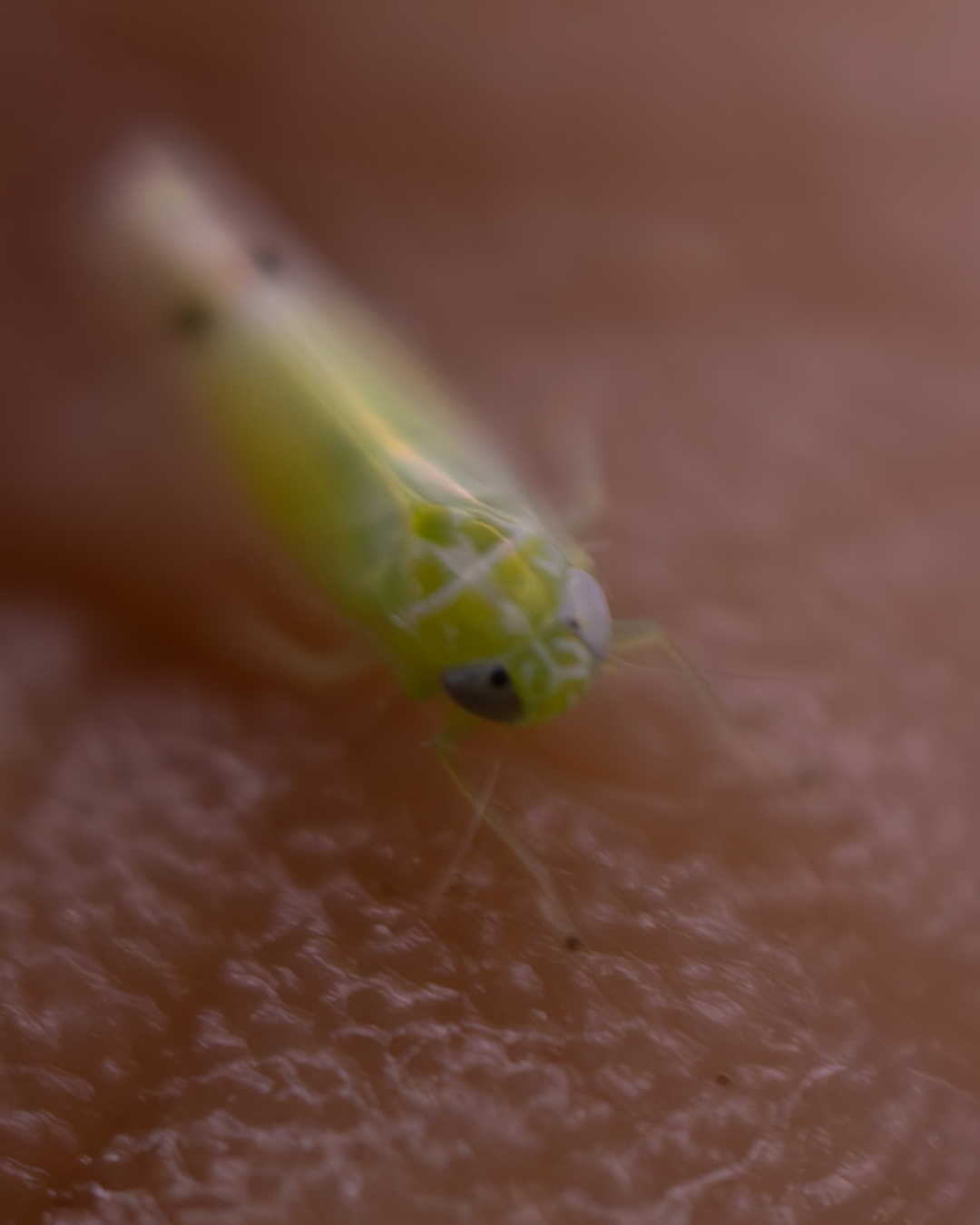
Amrasca sp.-2

Amrasca sp.

An Amrasca species I refer to as "Amrasca apicibrunnea" due to the apically pale brown wings.
The brown is not very obvious, but still is there. The brown is just very pale. In fact, it looks orangish… So this is the first microleafhopper (or Typhlocybine) in the catalogue! Micro leafhoppers, as the name suggests, are small, for example this one at on only 2-3 mm long! but these tiny critters have got some notorious work to do – They are pests. I just love the pale yet elegant shade of blue on the eyes. Hopping onto the second one, it is this:

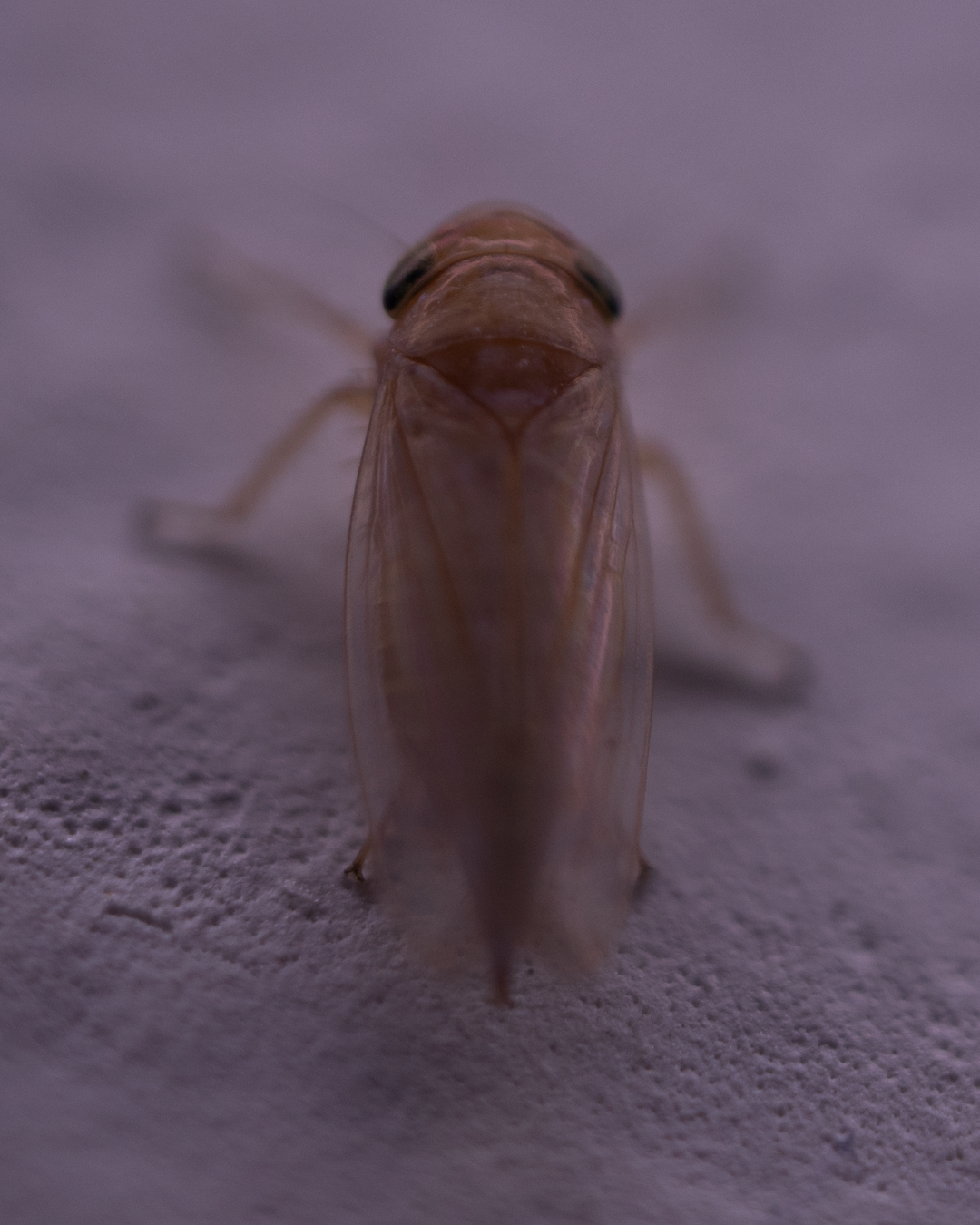
Exitianus indicus pale form-1

Exitianus indicus

The smile is barely visible, hence, it is considered to be of the pale form.
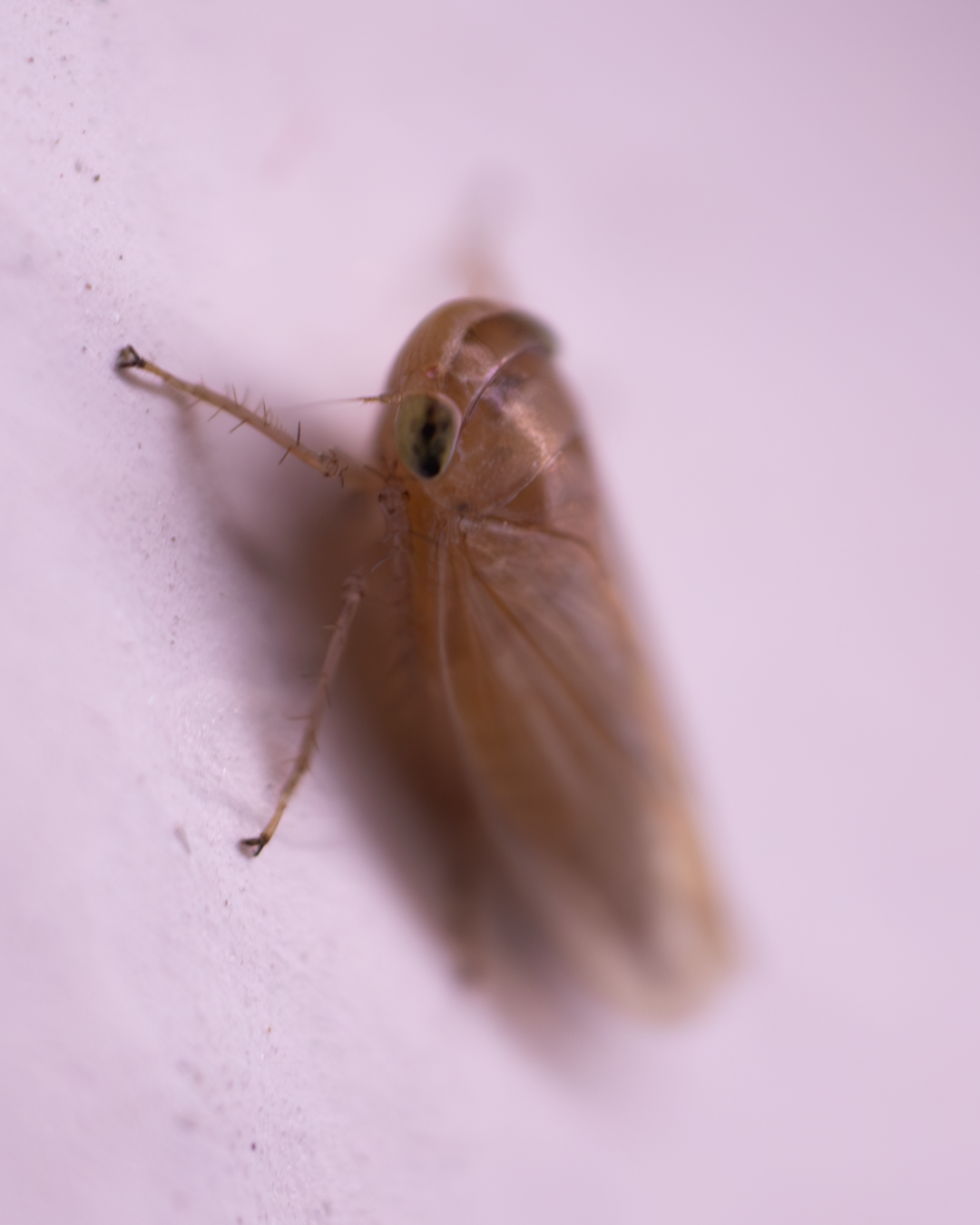
Exitianus indicus pale form-2

Exitianus indicus

The smile is barely visible, hence, it is considered to be of the pale form.
This is a species that any Indian person who likes to observe leafhoppers on grass has seen – and will recognise. This is Exitianus indicus, and it comes in 4 forms, the pale one shown here. Follow up with the series for the others! This pale form can be identified by the barely visible line on its vertex (i.e. the top surface of the head). I oftenly call them smiley leafhoppers – because the common form has a distinct black line covering  conjunction two colours of the head which is curved away from the eyes like a smile. By the way this one was not a microleafhopper, as it was much bigger at 5-6 mm long. It belonged the subfamily Deltocephalinae.

But I had no idea that what was up for me the next day was just about to shock me…

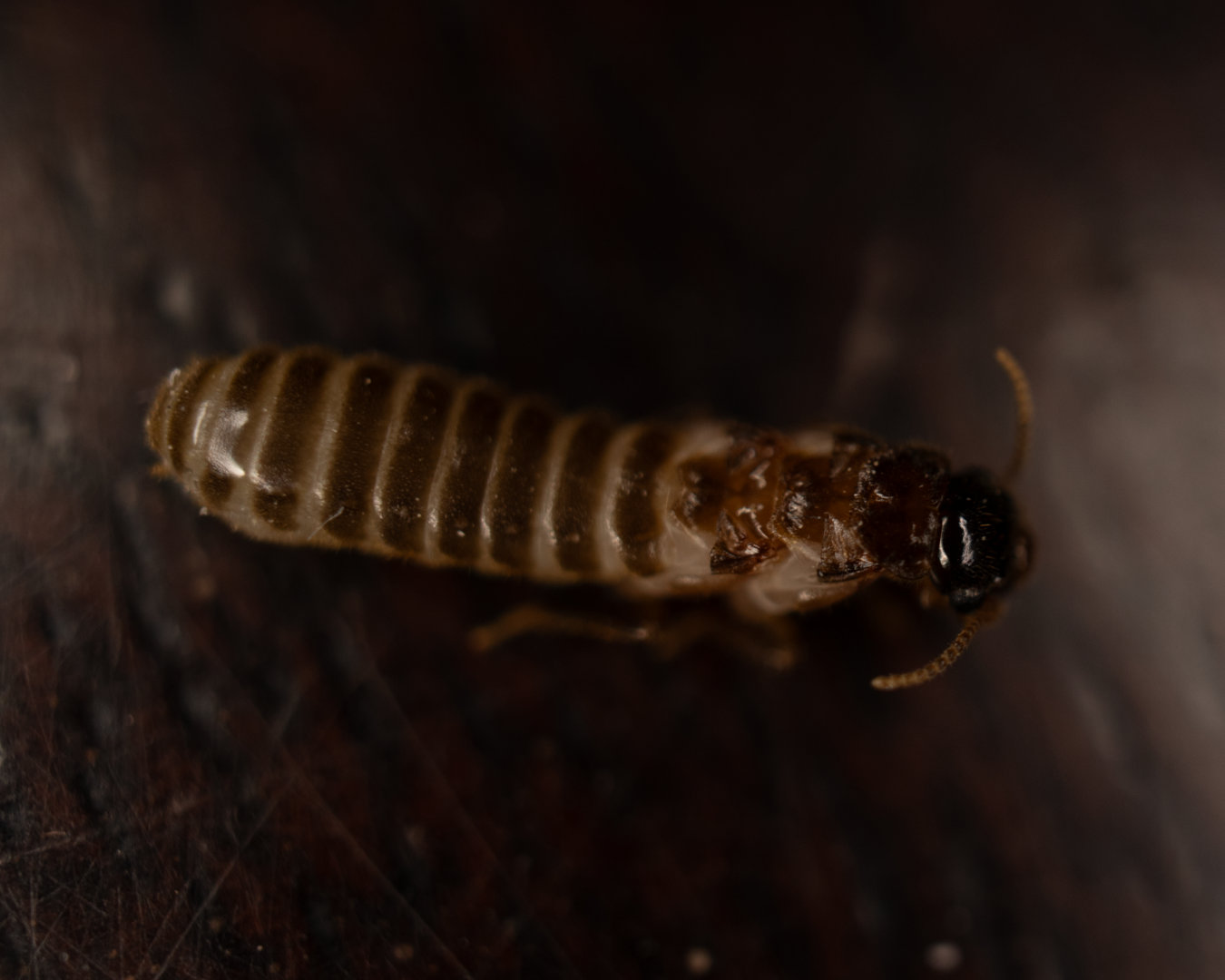
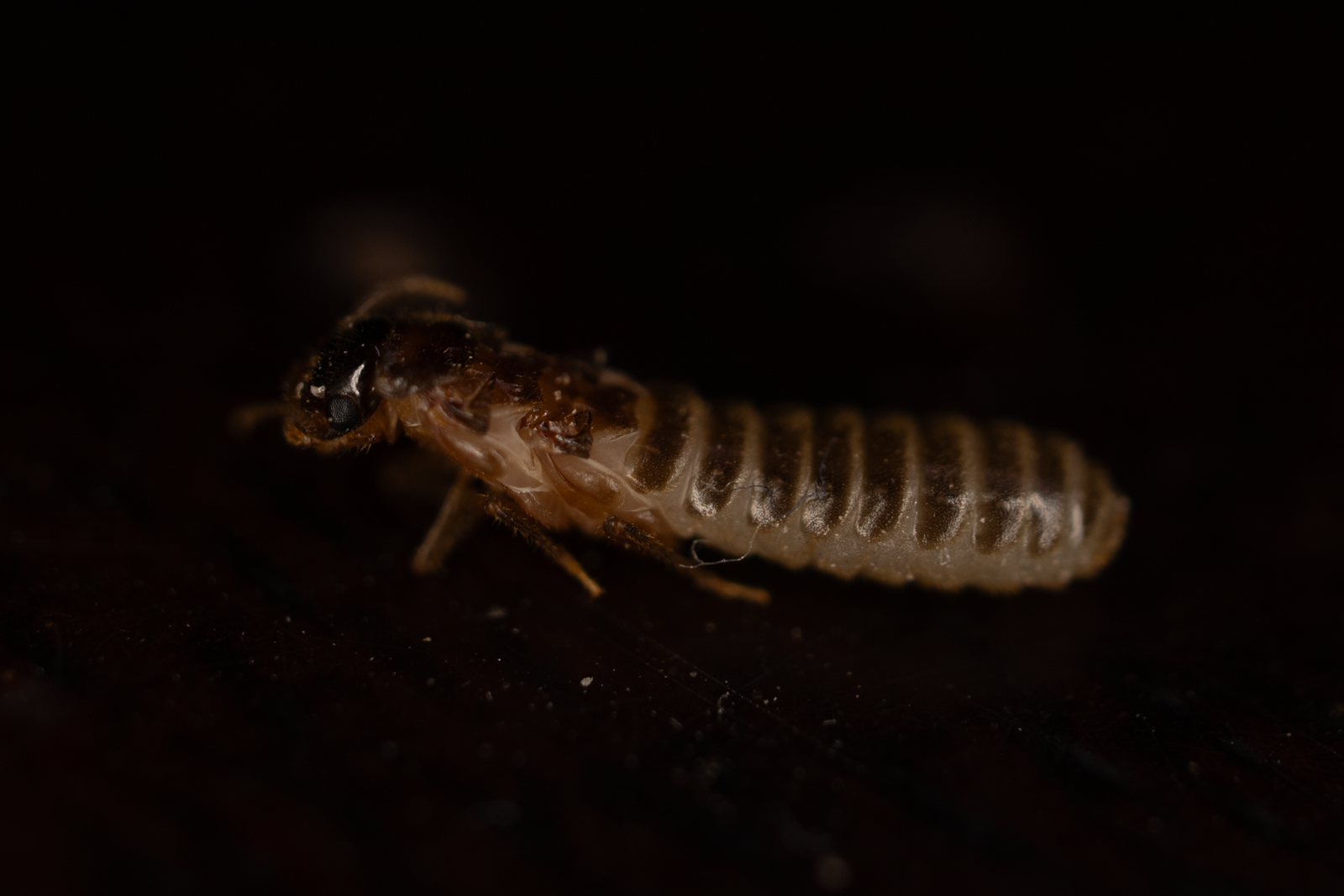
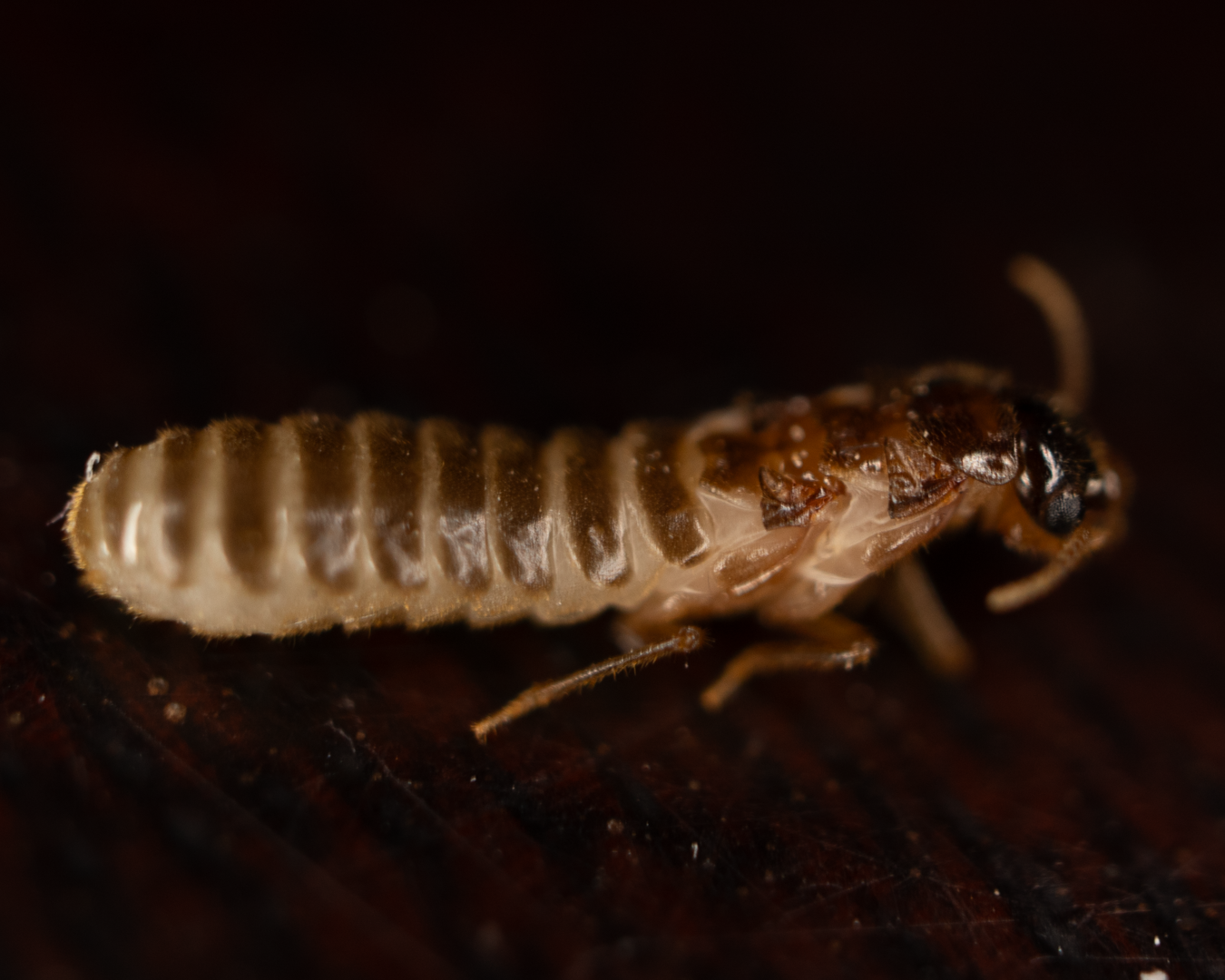
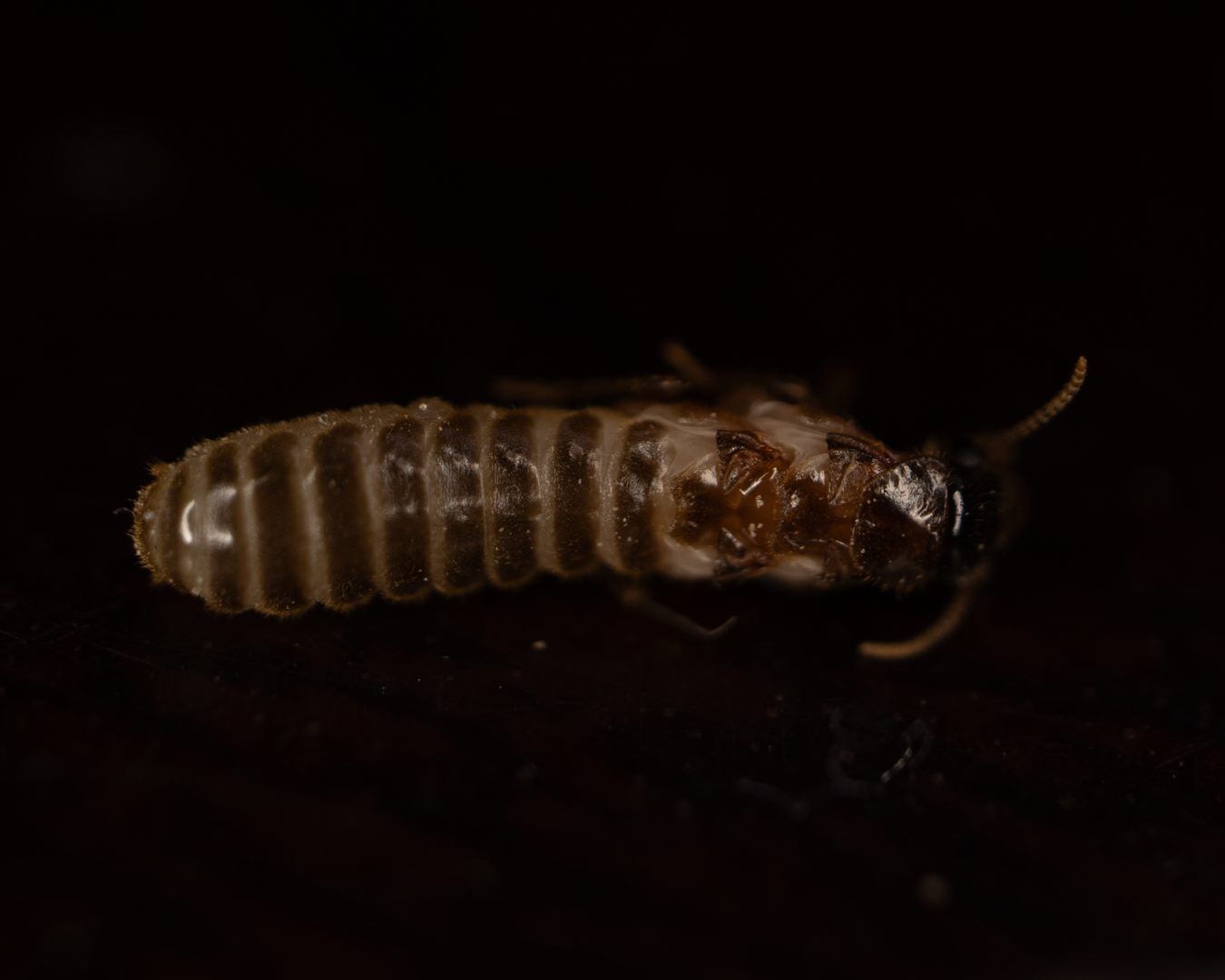
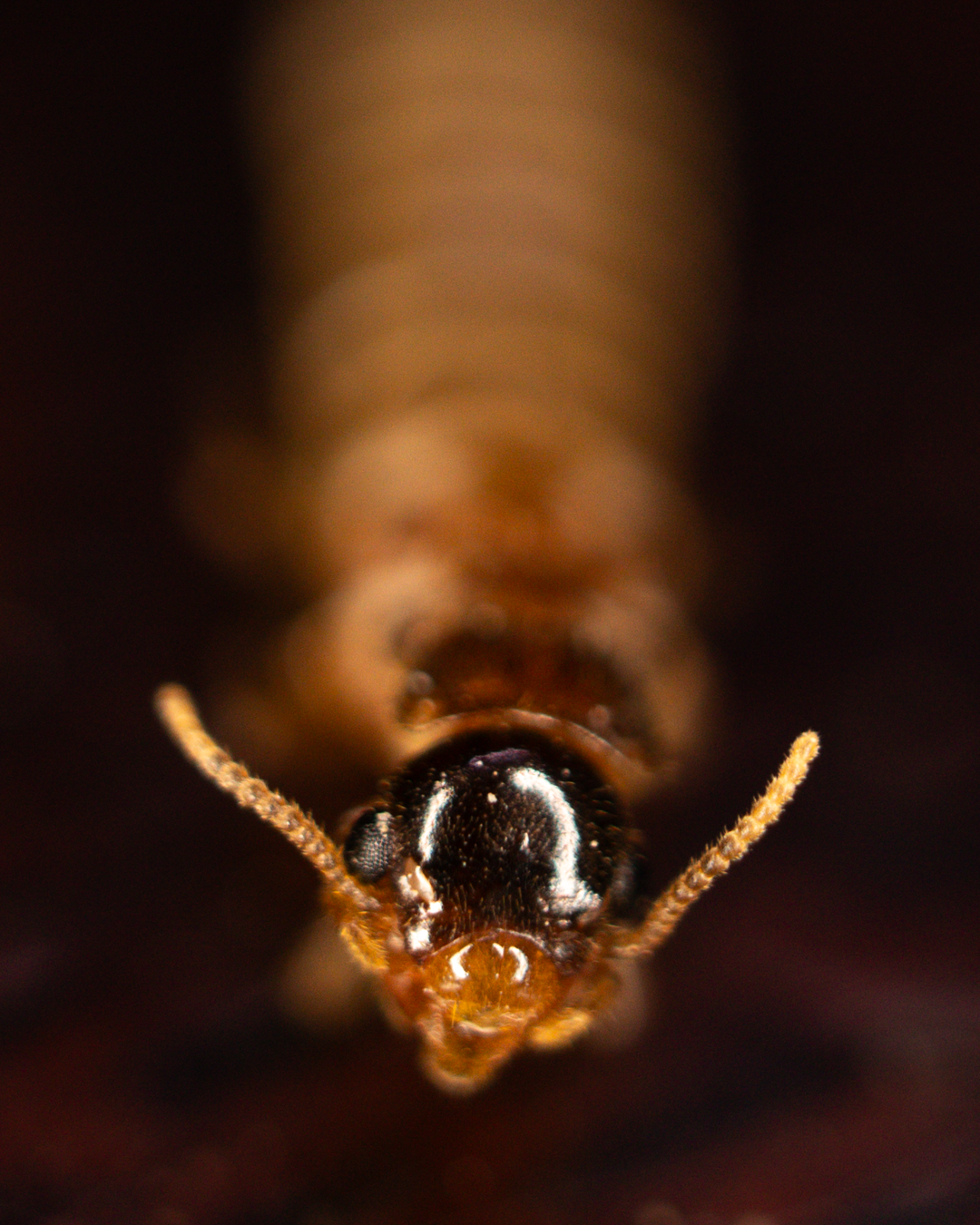
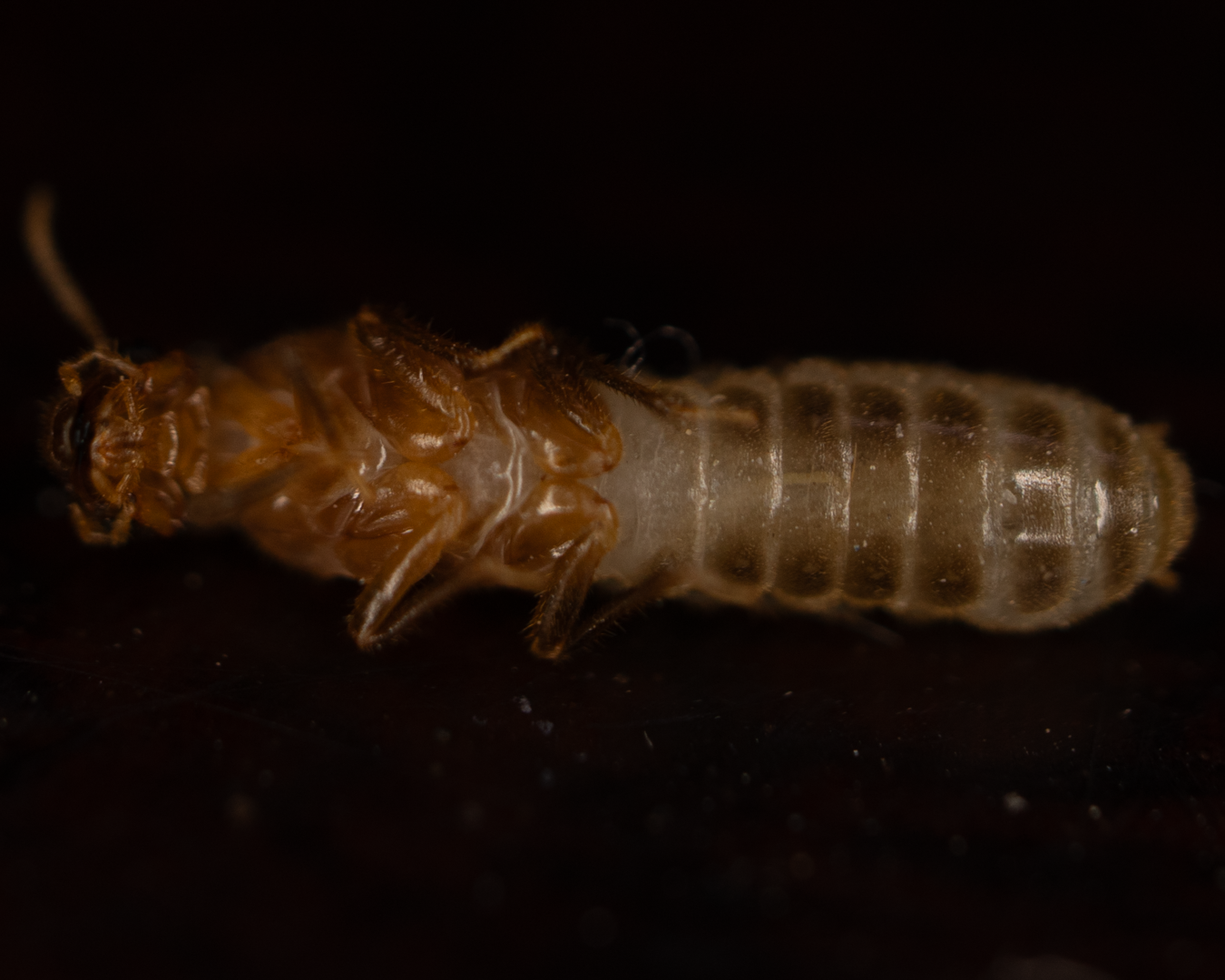
It was Tuesday night, and while walking in the balcony, I spotted this –

Moth 1-9

Ventral view

Moth 1-5

Frontal view

Moth 1-10

Right side view

Moth 1-8

Dorsal view

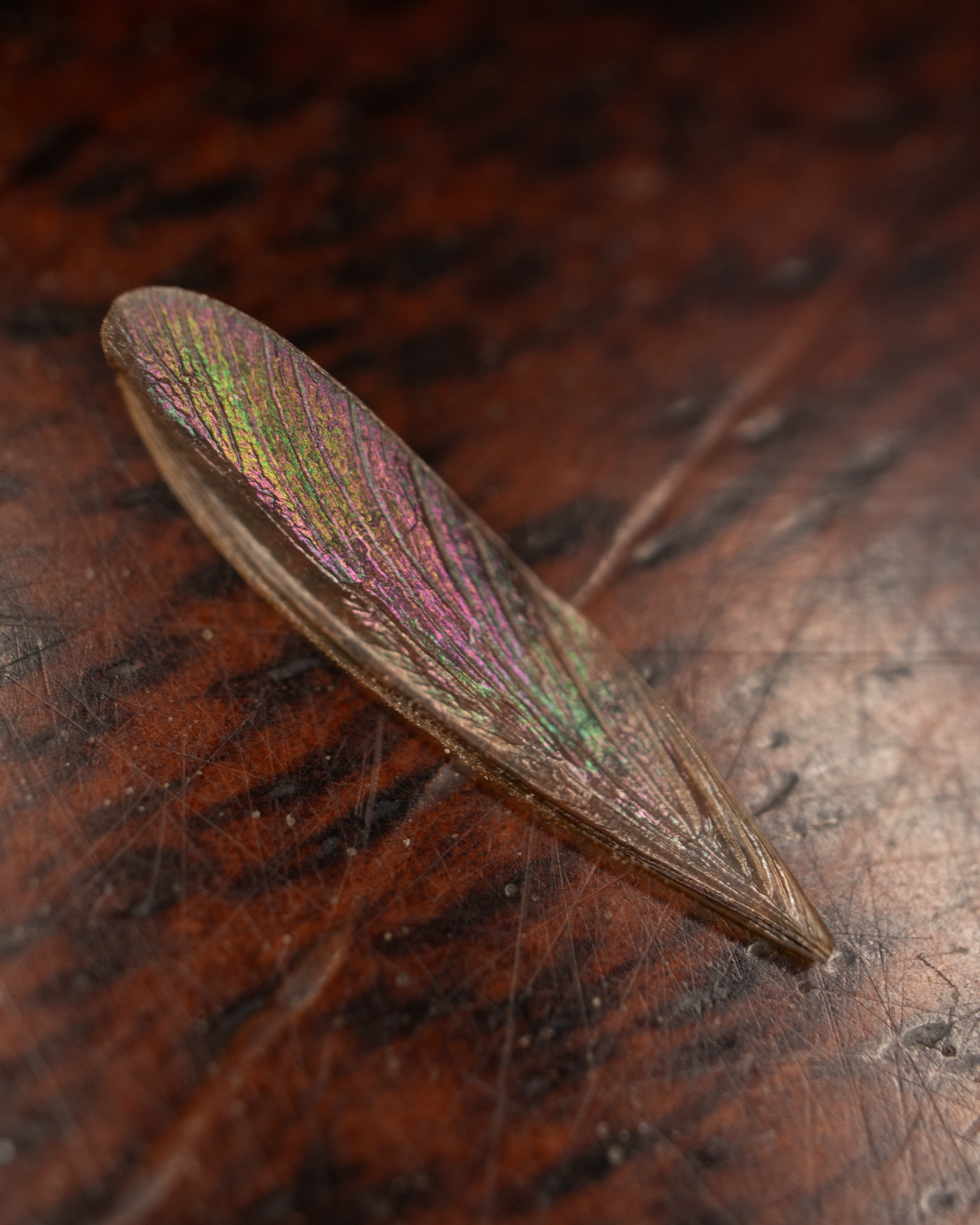
Termite sp 2-7

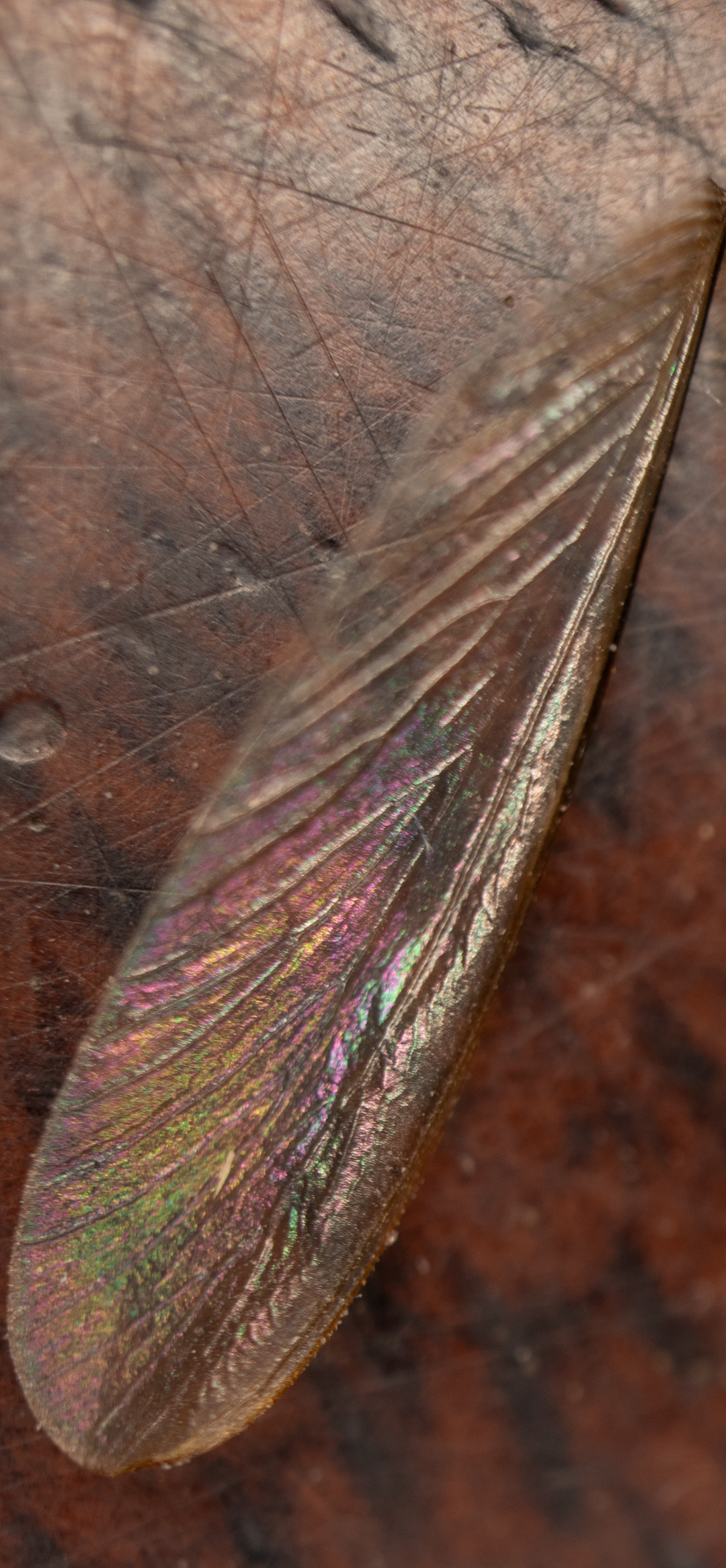
Forewing

Moth 1-6

Left side view

Termite sp 2-8

Hindwing

Moth 1-7

Dorsal view

Who is this this little cutie? A termite… – from where did this come from? But what was just only a little exiting turned out to be more fascinating than I thought – Hold on… This is not any termite. This was not the typical termite. It was brighter in colour and its markings were different. It was, by the way, about a little less than a centimetre and a half. 

The next day, there was nothing, and the same for the day after… Until Friday…

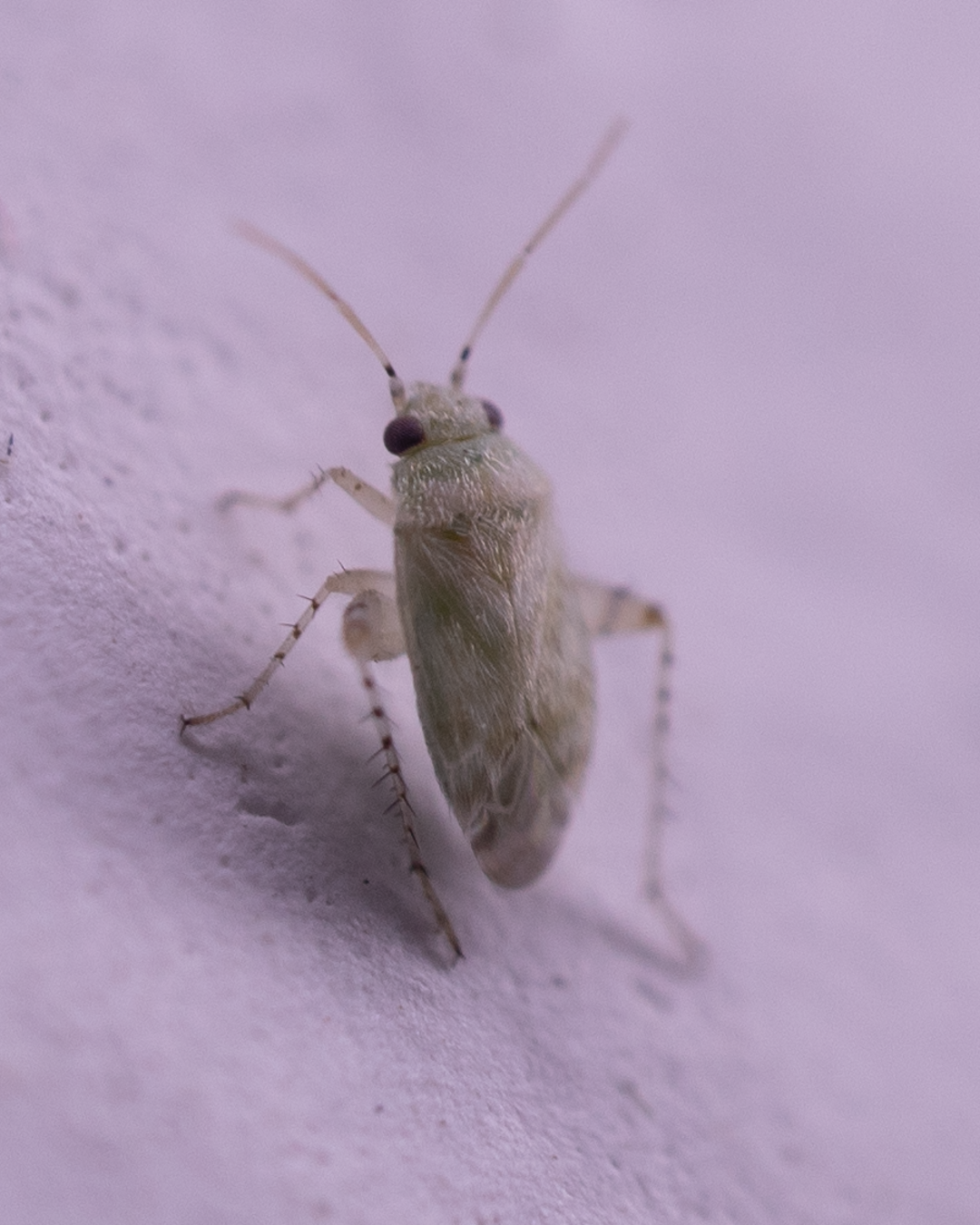
Two tiny heteropterans, whose species I don’t know, were crawling near the light. Then something unexpected happened to them… A camera zoomed to have a look at them. OK, just that’s just what the insect must have been to them. Imagine what they were thinking… a UFO has come attack them? Obviously my camera was just taking photos, but the bugs were getting panicky at the suspicious noise of my camera clicking photos they’d never here’d before. Here are the photos, I would love to know which species they are. First, I spotted one crawling up the wall at about 4 mm. Have a look –

heteroptera sp 1-2

Laterodorsal view

So elegant, isn't it?
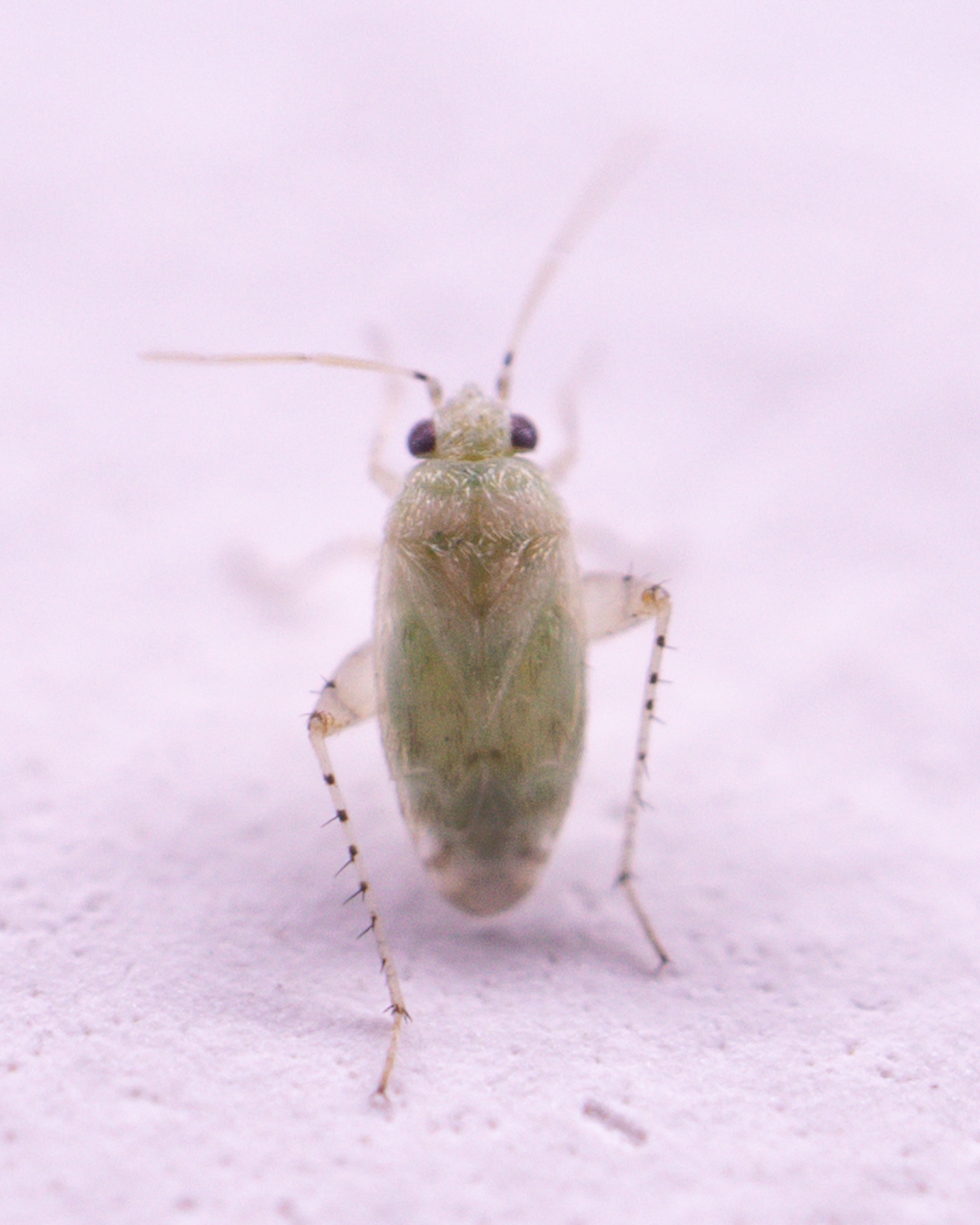
heteroptera sp 1-1

Dorsal view

Note the marks towards the outer edge of the wing towards the apex (tip).
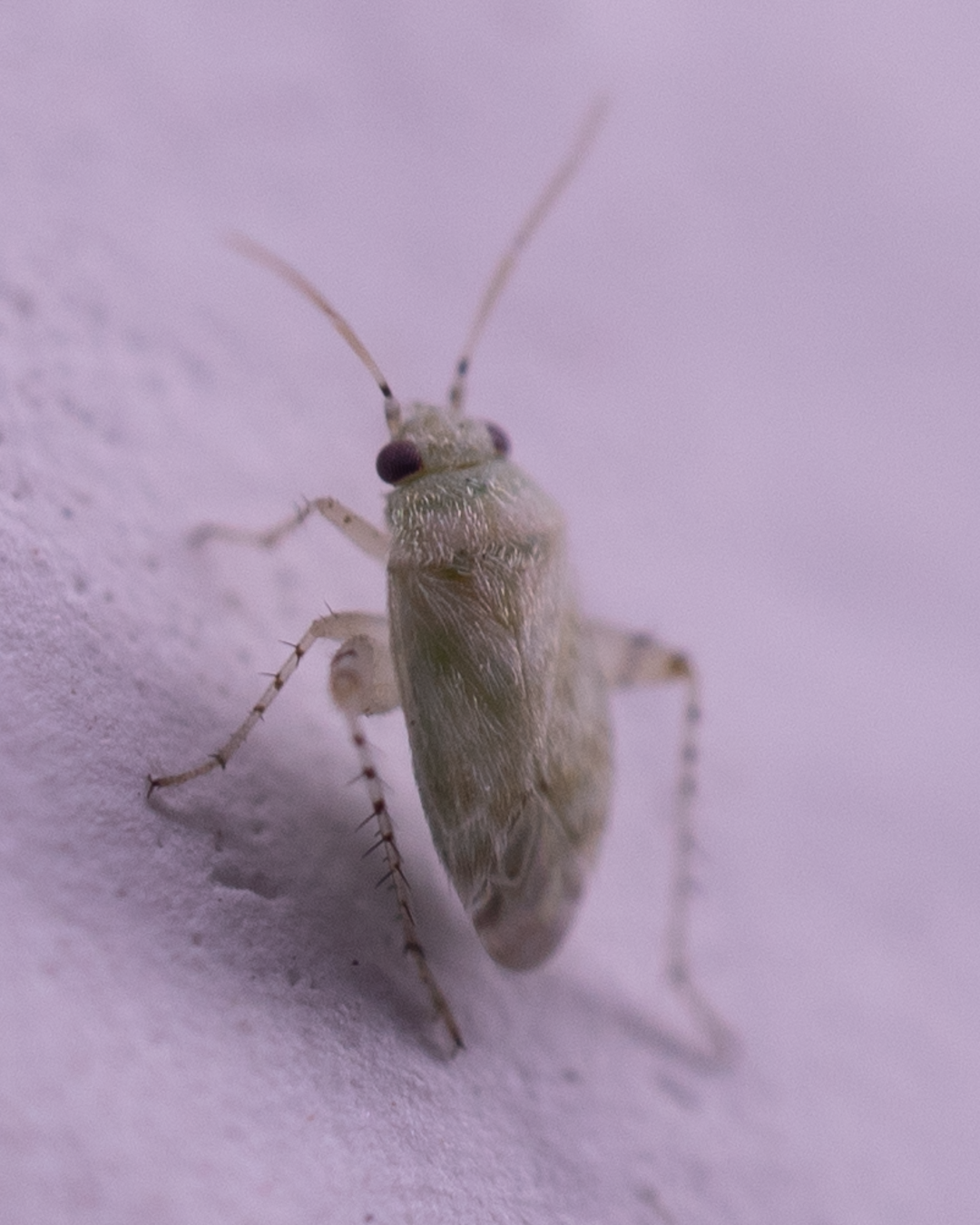
heteroptera sp 1-3

Laterodorsal view

A bit more magnified.
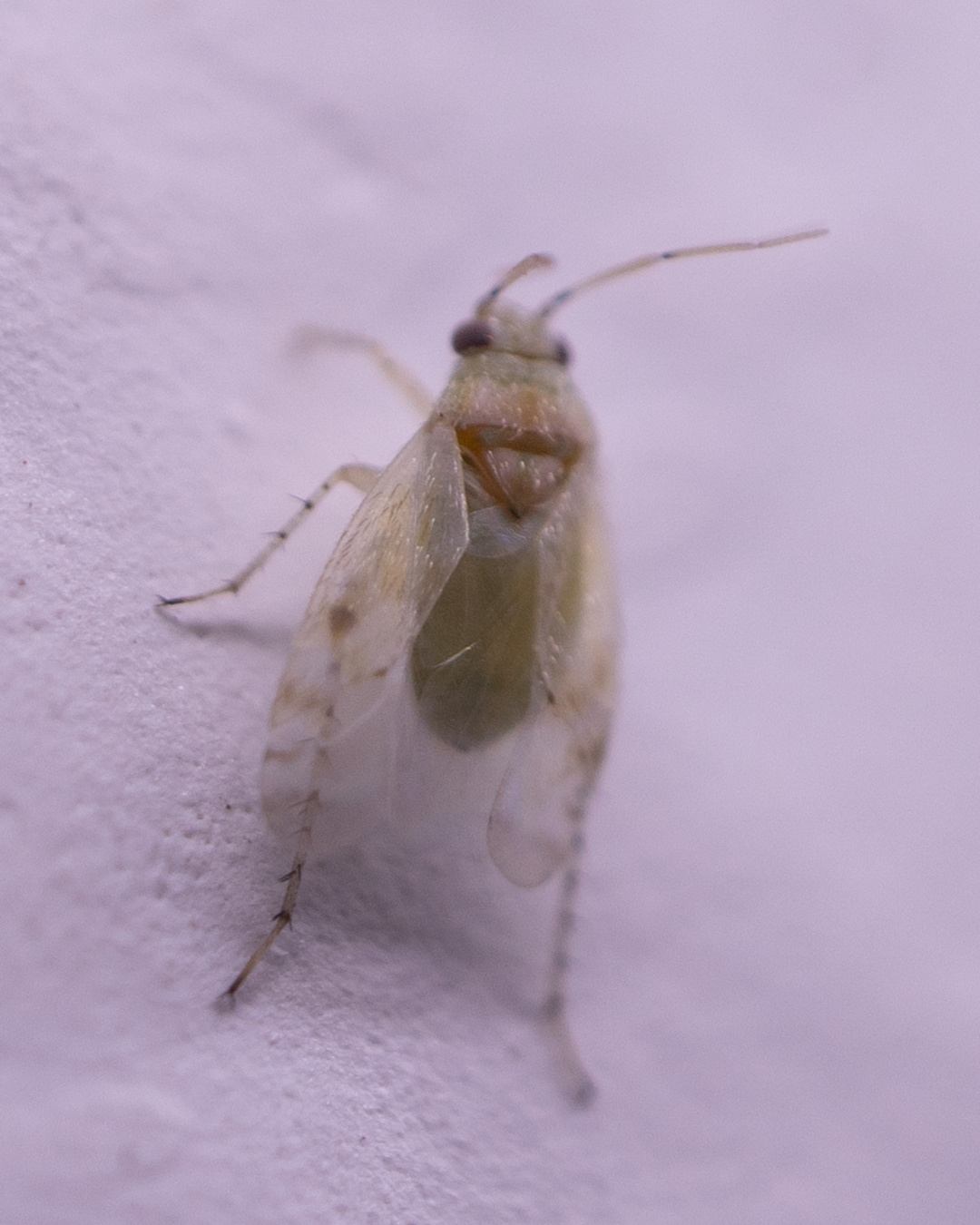
Then my brother found this little guy, also on the wall, but a little different in markings etc. Still small and cute and about the same size:

heteroptera sp 2-1

Anterolateral view

Note the setae (insect hairs) on the wing. The hindwing and abdomen are visible.
Nice, aren’t they?

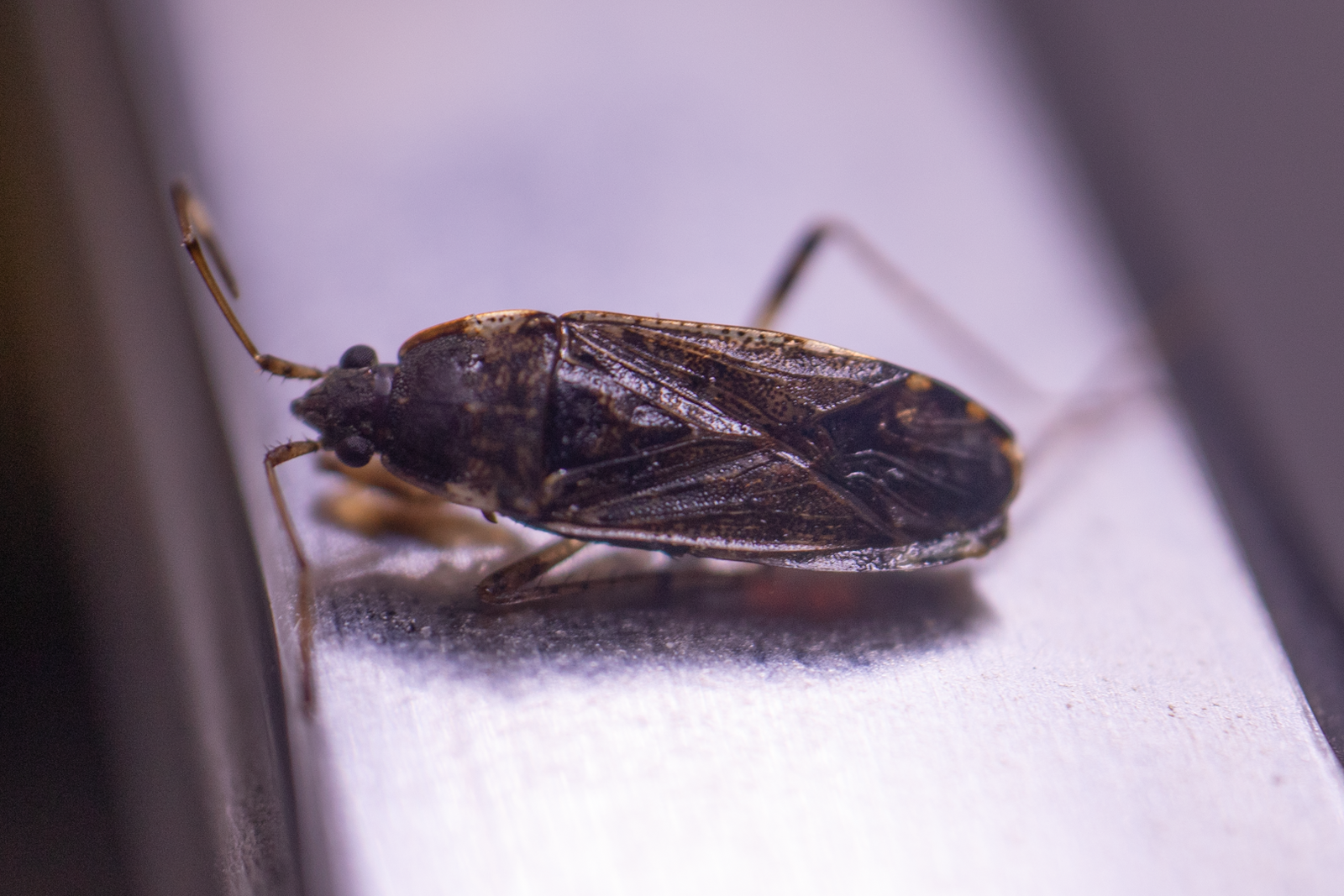
The next day, my brother spotted this, which later was accidentally killed when I walked over it without realising (or at least that’s what he said he saw), after some time of which I took out the camera and photographed him. Can any of you identify this? The only thing I know, is this belongs to the pentatomorpha (infraorder rank).

Heteroptera sp 3-1

Dorsal view

Very cool. Imagine how beautifully camouflaged it would be on the bark of a tree!
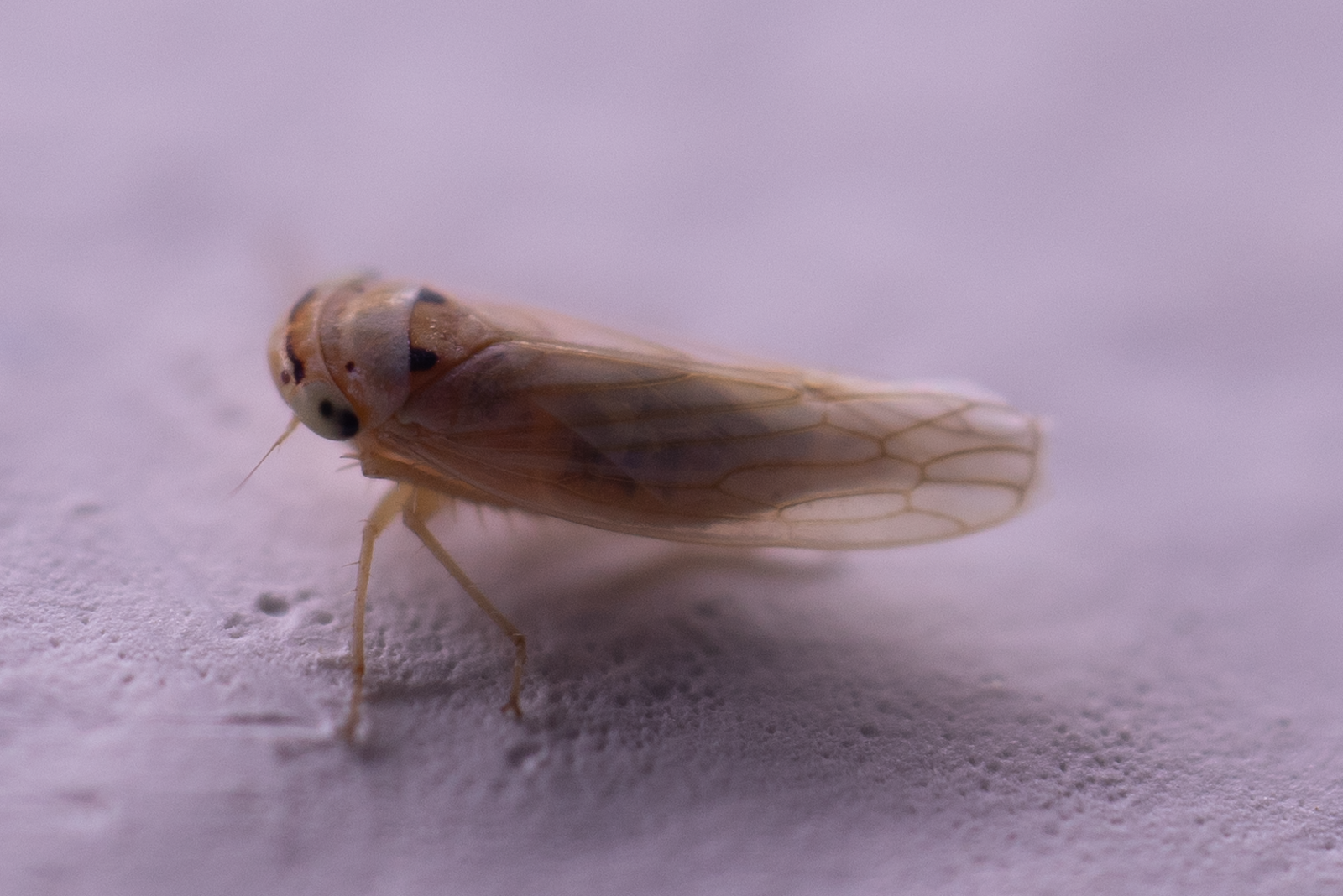
Now comes Sunday. And there you have it, the species selected by me as the featured image for the post. I found it crawling around. I wonder if you remember the species’ name mentioned at the start of the article (No cheating!). Here is the photo, again.

Exitianus nanus-1

Can you recall the species?

So, Exitianus nanus can be differentiated from all 4 Exitianus indicus forms by the interruption in the middle of the smile, dividing it into 2 stripes, the two stripes’ waved appearance, the 2 teeny-tiny brownish-black spots on the pronotum (the anterior segment of the thorax) and the 2 larger distinct spots on the mesonotum (the middle thorax segment). The thorax is composed of three segments, if you don’t know. The first is the pronotum, then the mesonotum, and lastly the scutellum.

The easiest feature to assess at first glance is the 2 large mesonotal spots.

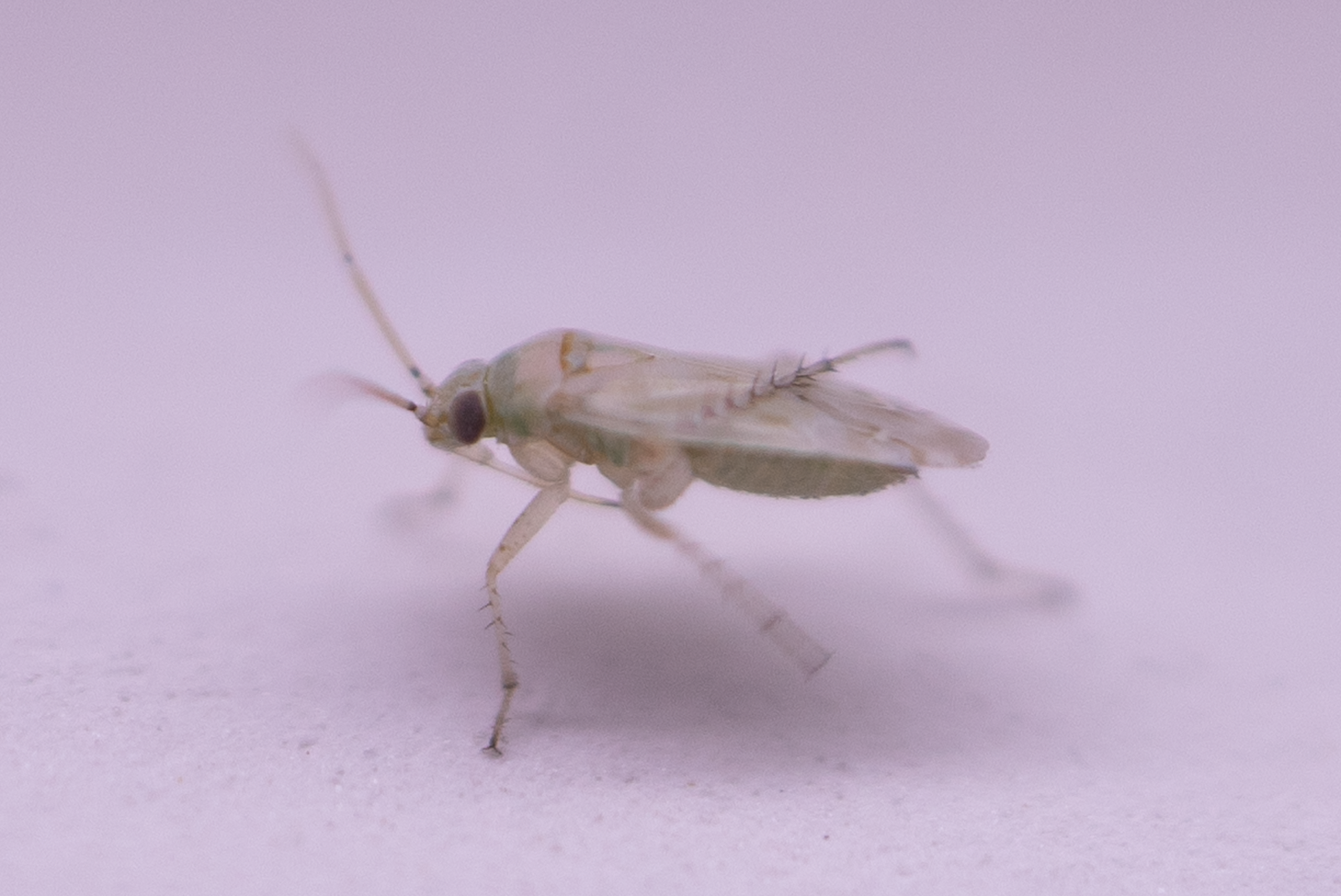
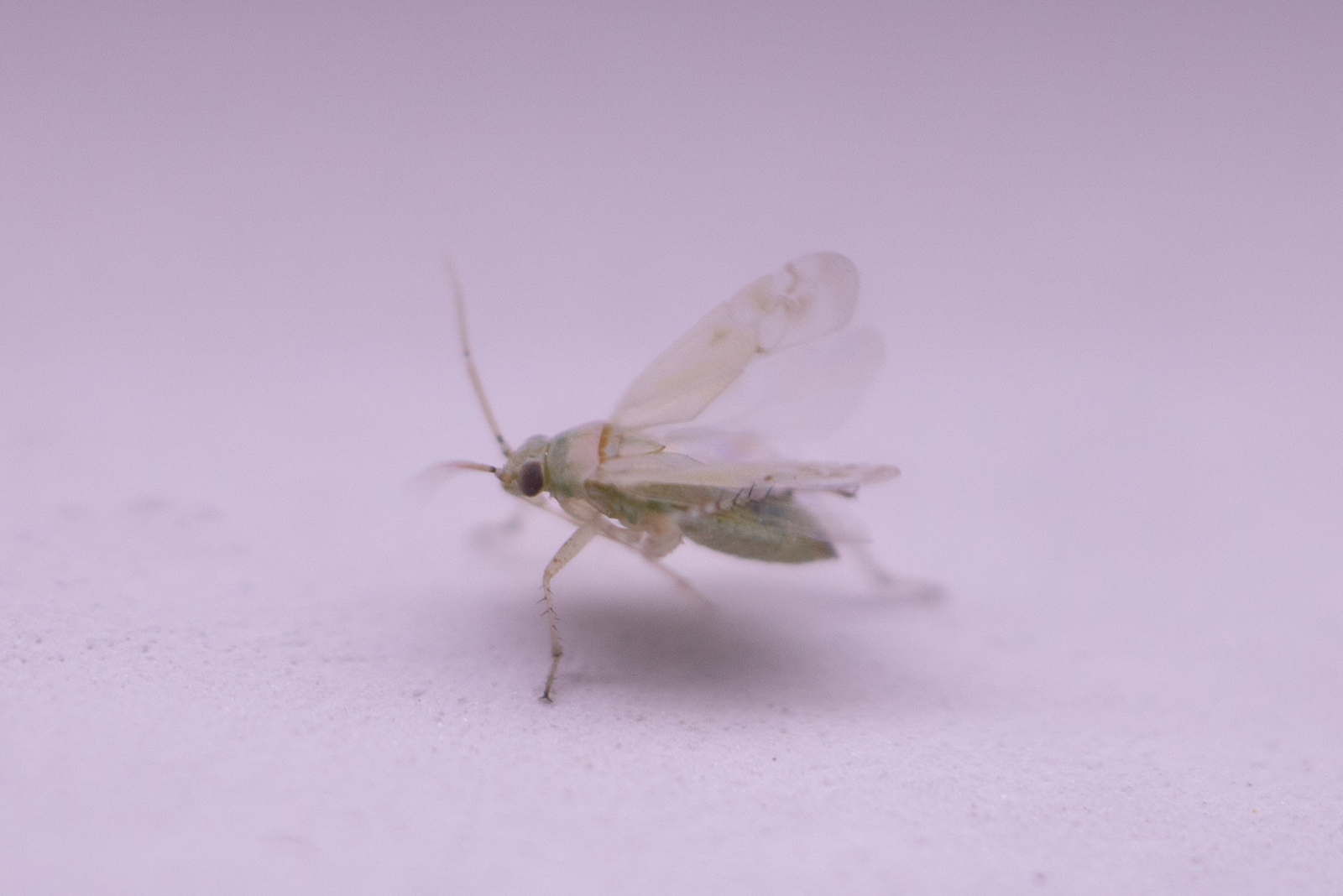
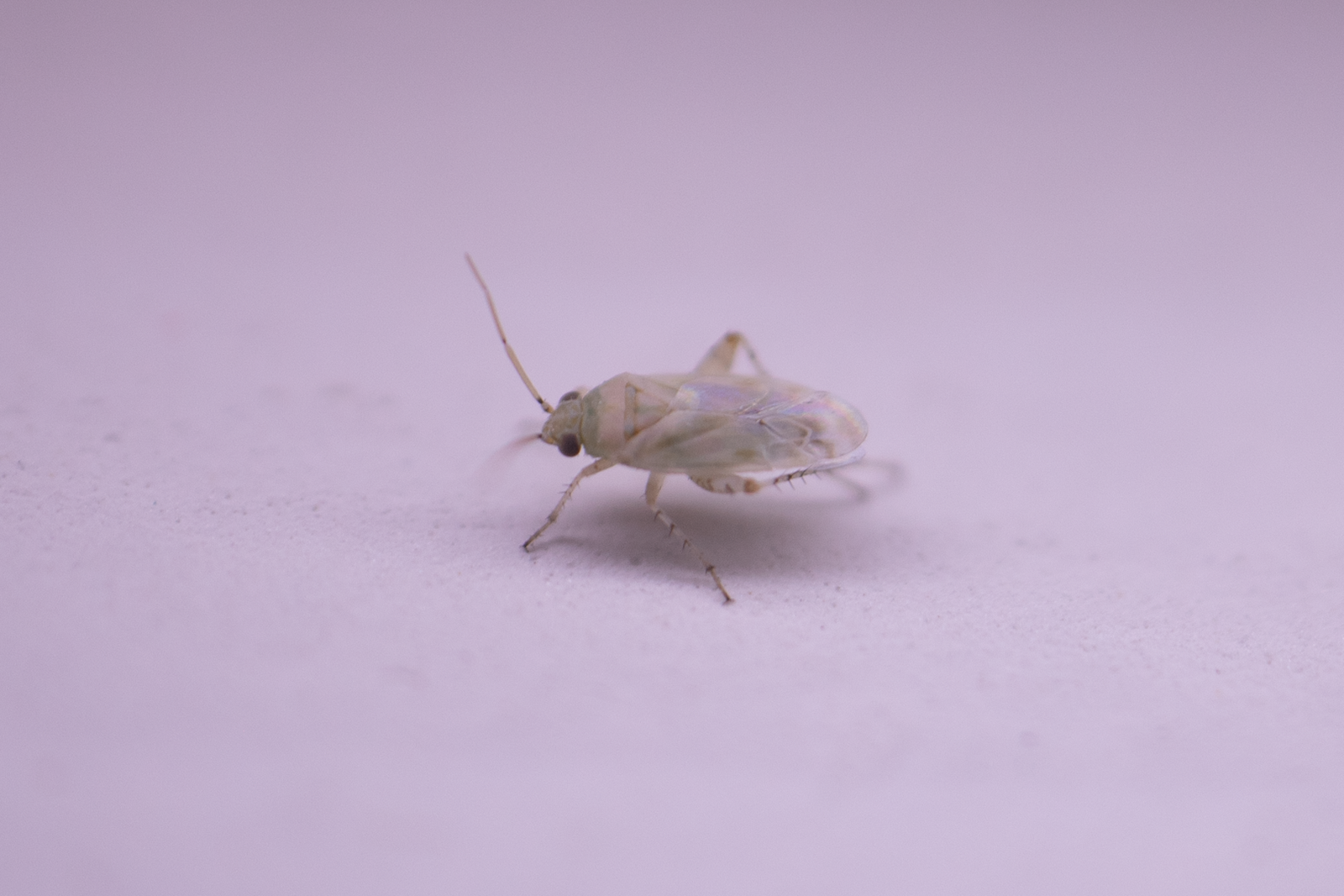
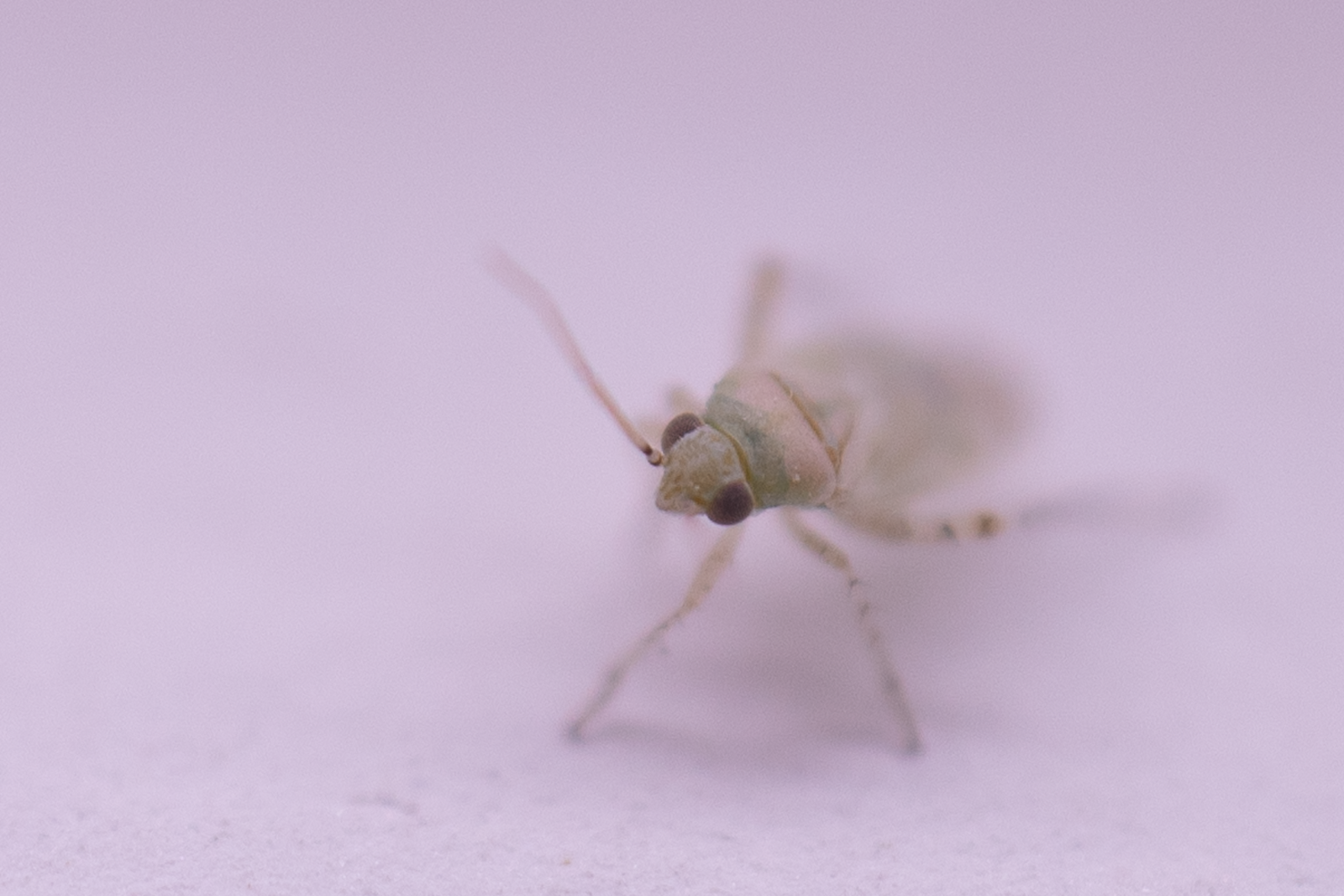
The same day, I spotted an individual of the species my brother had found previously this week. Hurray! It was about the same length. Have a look –

heteroptera sp 2-1

Lateral view

heteroptera sp 2-2

Cleaning wings

heteroptera sp 2-3

Laterodorsal view

heteroptera sp 2-4

Frontal view

And the next day, the leafhopper I found, just left me stunned and confused…

To be continued...

0 0 votes
Article Rating
Subscribe
Notify of
guest
0 Comments
Oldest
Newest Most Voted
Inline Feedbacks
View all comments
0
Would love your thoughts, please comment.x
()
x